When influenza enters the high-risk season, scientific prevention should not "underestimate the enemy"
Winter and spring are the high incidence seasons of respiratory infectious diseases, and the risk of infection such as influenza, Covid-19 infection, mycoplasma pneumoniae infection and tuberculosis increases. Recently, the National Health and Wellness Commission informed at a news conference that the overall epidemic level of acute respiratory infectious diseases in China was relatively low, but it showed an upward trend. The reporter learned from the Anhui Provincial Center for Disease Control and Prevention that the monitoring data shows that the acute respiratory infectious diseases in our province have generally shown a low-level epidemic trend recently, and the patients in the emergency department are mainly infected by pathogens such as influenza virus, Haemophilus influenzae, rhinovirus and Streptococcus pneumoniae.
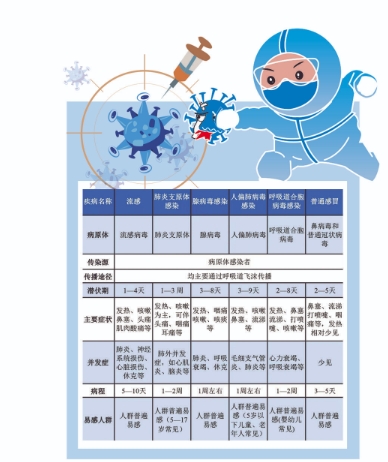
Respiratory infectious diseases are mainly transmitted through respiratory droplets and contact, and infected people are the main source of infection, and respiratory related symptoms often appear after infection. At present, our province has entered the high-incidence season of influenza, and the activity level of influenza virus has gradually increased, and the epidemic subtype is mainly H1N1. Influenza is an acute respiratory infectious disease caused by influenza virus infection, which has the characteristics of strong infectivity and fast spread. Influenza is seasonal every year, and winter is the high season for respiratory infectious diseases such as influenza.
According to reports, the incubation period of influenza is 1~7 days, mostly 2~4 days. Fever, headache, myalgia and general malaise are the main symptoms. The body temperature can reach 39℃~40℃, which may be accompanied by chills, muscle aches, fatigue, loss of appetite and other systemic symptoms.
The incubation period of mycoplasma pneumoniae infection is 1~3 weeks, mainly with fever and cough, accompanied by headache, sore throat and earache, and the course of disease is 1~2 weeks. The incubation period of rhinovirus is 2~5 days, with nasal congestion, runny nose, sneezing, sore throat, etc., with relatively little fever, and the course of disease is 3~5 days.
Provincial CDC reminds that to prevent respiratory infectious diseases, please vaccinate in time. Vaccination is the most economical and effective means to prevent infectious diseases and reduce severe diseases and deaths related to infectious diseases. It is suggested that people without contraindications should be actively vaccinated with influenza vaccine and pneumonia vaccine, especially those with relatively weak immunity such as children, the elderly and patients with chronic diseases. In addition, newborns should be actively vaccinated with BCG, which can better prevent the occurrence of severe tuberculosis in children.
According to reports, there is no specific vaccine for mycoplasma pneumoniae and respiratory syncytial virus at present, and daily protection can effectively reduce the infection and spread of respiratory infectious diseases.
In addition, it is necessary to develop good personal hygiene habits, wash your hands frequently, and after touching public facilities such as elevator buttons or door handles, coughing or sneezing, you should wash your hands carefully in accordance with the "seven-step washing method" in time; No spitting; Cover your nose and mouth with a tissue, towel or elbow when sneezing or coughing. During the epidemic season of respiratory infectious diseases, try to go to places with crowded people and poor air circulation as little as possible. If you need to go, it is recommended to do personal protection and wear masks scientifically.
To maintain a healthy lifestyle, maintain indoor air circulation, regularly open windows for ventilation, and ventilate 2~3 times a day according to the weather conditions, and the ventilation time is not less than 30 minutes each time; Pay attention to a reasonable diet to ensure adequate nutrition; Appropriate physical exercise to enhance physical fitness; Keep enough sleep, go to bed early and get up early, work and rest regularly, and enhance your resistance.
When you have respiratory symptoms such as fever, sore throat and cough, you should try to stay at home and avoid going to work and school with illness. Once you cough and expectoration for more than 2 weeks or your condition is obviously aggravated, you should seek medical advice in time and use drugs according to the doctor’s advice.
Schools, kindergartens and other collective units should standardize the daily morning and afternoon check-ups and the tracing and registration of the causes of absence due to illness, report the suspected infectious diseases in time when they are found, ensure that prevention and control measures are put in place, and reduce the cluster epidemic of respiratory infectious diseases in schools.
(Anhui Business Daily, Rong Media Reporter Wang Wei/Wen)