The contents of the management comments of Steward’s 2023 annual board of directors are as follows:
I. Discussion and analysis of business conditions
During the reporting period, the company adhered to the development direction of "smart security+smart phone+automotive electronics", gave full play to the competitive advantage of efficient research and development, further optimized and improved the product matrix, and successfully built the second pole growth curve of high-end smart phone products, achieving a total operating income of 2,857,343,300 yuan, an increase of 15.08% over the previous year; The net profit attributable to the owners of the parent company was 14,215,500 yuan, an increase of 96,963,500 yuan over the same period of last year, turning losses into profits.
Among them, the income of the smart security industry was 1,671,330,800 yuan, an increase of 0.41% over the same period of last year, accounting for 58.49% of the main income; Smartphone revenue was 891,787,600 yuan, an increase of 50.40% over the same period of last year, accounting for 31.21% of the main revenue; Automotive electronics revenue was 294,224,900 yuan, an increase of 30.45% over the same period of last year, accounting for 10.30% of the main revenue.
In the field of smart security, the company continued to maintain its leading position in the global market with perfect product matrix, excellent R&D strength and quick response ability, and achieved steady business growth during the reporting period. In the field of smart phones, the cooperation between the company and existing customers in all levels of products has been deepening, and the market share has continued to increase. In particular, a number of XS series 50-megapixel products have been successfully mass-produced. These products are mainly used in cameras such as main camera, wide-angle camera and telephoto camera of high-end flagship mobile phones, and the unit price is relatively high, which has opened up a second growth curve for the company’s smart phone revenue. In the field of automotive electronics, the company has continued to deepen cooperation with a number of mainstream car manufacturers, and the ability and influence of industry solutions have been significantly improved, and the number of covered models has increased significantly, laying a solid foundation for future sustainable development.
During the reporting period, the cooperation between the company and strategic partners in the supply chain was further deepened, the scale of cooperation increased significantly, and the production technology became more mature, thus further improving the product yield, and the cost optimization effect was outstanding, which promoted the overall gross profit margin level of the company to improve quarter by quarter. The company will continue to work closely with various suppliers to continuously improve the resilience and delivery capacity of its supply chain. In addition, the company’s destocking plan was implemented smoothly and the operating cash flow was good; At the same time, the company uses derivatives to control the risk of exchange rate fluctuations, and exchange losses are effectively controlled. The overall financial cost has dropped significantly.
During the reporting period, the company won many awards covering IC design, image sensors, electronic components, Internet of Things enterprises and other fields, which fully demonstrated the company’s technological leading edge and R&D strength, representing the high recognition of the company’s R&D strength from all walks of life. The key awards are as follows: Shanghai Economic and Information Commission’s "Shanghai Specialized Small and Medium-sized Enterprises"; Zhangjiang National Independent Innovation Demonstration Zone 2022 "Zhangjiang Star" leading enterprise; Shanghai IC Industry Association "Top Ten Sales of IC Design Industry in Shanghai in 2022"; The company’s product SC1630LA won the "China IC Billboard-Outstanding Innovative Product Award of the Year" awarded by the Semiconductor Investment Alliance; The 5MP RGB-IR global shutter image sensor won ASPENCORE“2023 Global Electronic Achievement Award-Sensor of the Year "and" 2023 China IC Design Achievement Award-Top Ten China IC Design Companies "; Super-starlight 8MP image sensor /SC880SL with large target surface won the "2023CPSE Expo Jinding Award" at the 19th CPSE Expo. ADAS won the "18th China Core Excellent Technological Innovation Product in 2023" jointly awarded by China Electronic and Information Industry Development Research Institute and CCID by applying 8.3MP image sensor /SC850AT; The 4K super-starlight night vision full-color image sensor SC850SL won the award at the 2023 China International Public Safety Products Expo held by China Security Products Industry Association."Innovation Product Excellence Award".
Looking forward to 2024, the company will continue to maintain R&D investment, optimize product matrix, improve product performance and user experience, strengthen cooperation with core customers, expand cooperation areas, and actively explore new market opportunities, so as to further consolidate and enhance its leading position in smart security, smart phones and automotive electronics, and achieve more stable and sustainable development.
II. Description of the company’s main business, business model, industry and R&D during the reporting period.
(a) the main business, main products or services.
The company’s main business is the research and development, design and sales of high-performance CMOS image sensor chips. As a CMOS image sensor product enterprise dedicated to providing multi-scene applications and full-performance coverage, the company’s products have been widely used in many high-tech application fields such as security monitoring, machine vision, smart phones, automotive electronics, etc., and have helped the industry to develop in a more intelligent and information-based direction.
1. Technological advantages empower smart security high-end products and continue to lead the industry.
In 2023, the company’s smart security industry revenue was 1,671,330,800 yuan, an increase of 0.41% over the same period of last year, accounting for 58.49% of the main revenue. According to TSR statistics, in 2020 and 2021, the company ranked first in the global security CIS shipments. In 2022, the company continued to rank first in the global security CIS market with a market share of 33.3%.
According to the latest data of YOLE, in 2022, the global CIS market is about 21.3 billion US dollars, of which the security market accounts for 6% and the market size is about 1.241 billion US dollars. As the leading enterprise of global intelligent security CIS, the company has been focusing on the development of visual imaging technology and CIS products in the field of security monitoring since its establishment, exploring more potential needs of security customers, and using high-performance technology products to accurately reach customers’ practical applications. The company continues to exert its strength in the high-end field, and has successfully launched the security cutting-edge product portfolio such as ProSeries full-performance upgrade series, AISeries high-level imaging series and SLSeries super-starlight series to better meet the intelligent stage of security monitoring.
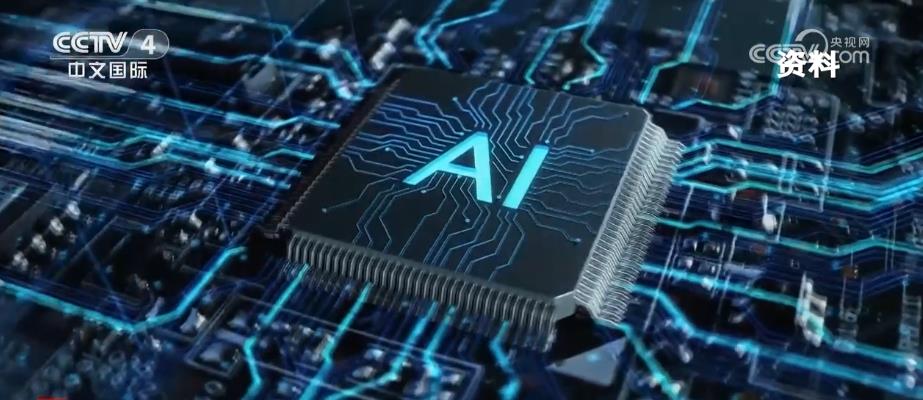
Prior to this, security monitoring has experienced three stages: simulation, networking and high definition. Driven by the iterative update of emerging technologies, the security industry is developing rapidly in the direction of digitalization, intelligence and ultra-high definition. Intelligentization has become the mainstream trend of the development of security industry. With the transformation of security monitoring to intelligence, the AI chip embedded in the device enables the camera to carry out structured processing, intelligent calculation and analysis and image recognition on video data, which promotes the transition of video monitoring equipment from passive monitoring to active recognition, and the realization of intelligent function needs to be based on high-definition image. According to TSR report, CIS in the field of security application needs resolution ranging from VGA (300,000 pixels) to 12 million pixels, and its center of gravity is gradually moving towards high resolution. The demand for 8 million pixels is increasing at an annual growth rate of 85% year by year. Therefore, high resolution has become the development trend of high-end security image sensor products.
In 2023, the company introduced a new product SC880SL, which is the first 1/1.2"8MP image sensor product of the company. By enhancing the photosensitive performance of the product through the large target surface, it can still achieve excellent night vision imaging effect even in ultra-low illumination environment. In addition, the company has also launched several new products to upgrade the AI series CMOS image sensors, which combine the advantages of better night vision full-color imaging, high-temperature imaging and low power consumption, and can better empower smart wireless cameras and multi-camera solutions such as home IPC and AIoT terminals, and successfully open the road of iterative upgrading of AI series products.
At the same time that security monitoring has started the intelligent stage, machine vision technology is also becoming the core driving force of modern industry. With the commercialization of AI and 5G technologies, machine vision is no longer limited to industrial applications. Emerging downstream application markets such as drones, sweeping robots and AR/VR have injected new vitality into the development of machine vision industry. With the deepening of automation, digitalization and intelligence in the field of industrial manufacturing around the world, machine vision will have a wider development space.
According to the data of MarketandMarkets and GGII, the global machine vision market will be 80.40 billion yuan in 2021. It is predicted that the global machine vision market will grow at a compound annual growth rate of 13.2% from 2022 to 2025, and the global machine vision market will reach 127.61 billion yuan in 2025. In the emerging field of machine vision, the trend of "machine vision replacing manual identification" has brought great growth space for the industry. As a standard component in the upgrade process of "machine vision replacing manual identification", CMOS image sensor has ushered in a new opportunity in the AI era.
As a pioneer and leader in the field of machine vision, the company’s machine vision products have significant technical influence and market position in the world. The products have been widely used in industrial manufacturing and logistics fields, such as intelligent manufacturing, intelligent screening and intelligent logistics code reading, as well as emerging application fields such as unmanned aerial vehicles, sweeping robots and AR/VR, and have maintained close cooperation with customers such as DJI and Hikon Robot. According to the latest data of TSR, in 2022, the company’s market share in UAV and QRC readers ranked first in the world, and its share in the global consumer UAV obstacle avoidance market was about 90%.
According to the actual demand for intelligent image processing in the field of industrial CIS, the company has launched three kinds of rich product matrices: area array, intelligent transportation system (ITS) and linear array, covering all kinds of industrial inspection scenes and mainstream industrial intelligent scenes such as industrial code readers, AGV navigation systems and 3D scanners, providing diversified, accurate, stable and reliable solutions for customers in different fields. According to the latest data of YOLE, in 2022, the global CIS market scale was about US$ 21.3 billion, of which industrial applications accounted for 4%, and the market scale was about US$ 865 million, an increase of 23.9% compared with 2021. In the industrial CIS market, the company has ranked second in China.
In the future, the company will continue to focus on the breakthrough of high-end core technologies and continuously introduce more high-performance machine vision application products. This will not only bring continuous innovation momentum to the company’s high-end product matrix, but also help accelerate the domestic substitution process of high-end CIS.
2. XS series high-end products were shipped on a large scale, and the business flourished, opening up a second growth curve.
According to the latest data of YOLE, in 2022, the global CIS market scale is about 21.3 billion US dollars, and the largest downstream field is smart phones, accounting for 64%, with a market scale of about 13.452 billion US dollars. Therefore, the field of smart phone CIS is also an important field of business layout of major CIS manufacturers.
In 2023, the overall market scale of mobile phone CIS tends to be stable, mobile phone terminals enter the stock market, and high-end smart phone consumers demand higher and higher shooting performance of cameras. Under this trend, CIS, as the core imaging device, has become a key selling point for major mobile phone manufacturers to enhance their experience, and the market structure of smart phone CIS is changing rapidly.
In 2023, the company’s smart phone business flourished, and the smart phone CIS products covered the mainstream demand of the current mobile phone market. The product resolution was from 800,000 pixels to 50 million pixels, and the annual revenue was 891,787,600 yuan, an increase of 50.40% over the same period of last year, accounting for 31.21% of the main revenue.
In view of the high-end flagship machine product track, several XS series high-end products launched by the company for the main camera and auxiliary camera (including telephoto and wide angle) of the flagship have been shipped on a large scale, which not only opened up a second growth curve for the company’s revenue, but also marked the company’s remarkable progress in catching up with the high-end product lines of overseas leading manufacturers, thus further enhancing the company’s market position and brand influence.
With the increasing number of smart phone cameras, it is very important to balance the performance and cost of smart phone CIS.
Therefore, in the mass computer and flagship machine market, CIS chips show completely different development trends. According to IDC statistics, among Android phones, the shipments of low-end models below $600 accounted for over 90% in 2022. Therefore, the rear camera of low-end models with large value is the main market focused by CIS manufacturers. TrendForce believes that the future upgrade direction of smart phone CIS will focus on the optimization of CIS structural design. By improving the structure and materials of photosensitive elements, the performance of photosensitive elements will be further improved, and the image processing algorithm will be optimized and upgraded. The AI algorithm will break through the hardware limitation, further improve the clarity and dynamic range of images, reduce noise and improve the imaging quality.
In view of the CIS market of mainstream smart phones, the company has also carried out in-depth technical cooperation with domestic fabs, and adopted technological innovations such as single-chip integration to launch high-resolution products that are more cost-effective and better meet the needs of mainstream smart phones. At the same time, the company continuously improves the dynamic range of products, reduces noise, optimizes power consumption and other performances, further improves the differentiated product matrix, brings excellent imaging performance to the smart phone imaging system, and continuously enhances the company’s market position and brand influence in the smart phone field.
3. Driven by intelligent driving, the automotive electronics business has a strong growth momentum.
In 2023, the company’s sales revenue in the automotive electronics field was 294,224,900 yuan, an increase of 30.45% over the same period of last year, accounting for 10.30% of the main revenue.
According to the latest data of YOLE, in 2022, the global CIS market scale was about US$ 21.3 billion, of which automotive electronic applications accounted for 10%, and the market scale was about US$ 2.186 billion, an increase of 27.7% compared with 2021. With the irreversible technical development trend of automobile intelligence and autonomous driving, the automobile electronics market has become a new growth point of CIS market. According to the data of Qunzhi Consulting, it is estimated that the global vehicle CIS shipments will reach 350 million in 2023, a year-on-year increase of 9%; Driven by demand such as ADAS and autonomous driving, CAGR of automobile CIS shipments is expected to reach 13.17% from 2022 to 2028. At present, the mainstream resolution of vehicle CIS is still 1.2 million pixels or less. With the continuous evolution of autonomous driving, the demand for more than 2 million pixels will increase rapidly year by year. The fastest growth rate between 2022 and 2028 is expected to be 5 million and 8 million high-definition pixels, with a compound growth rate of 80%.
The company has released more than 10 products for three major application scenarios: vehicle image, perception and cabin, covering the application requirements of automotive perception and image segmentation with 1MP~8MP resolution. Among them, in 2023, the company newly released a new product, SC533AT, which is a 5MP high-resolution RGB-IR global shutter image sensor. This back-illuminated global shutter image sensor integrates five performance advantages: high resolution, high shutter efficiency, low noise, excellent color performance and excellent near-infrared sensitivity, and brings more accurate and reliable in-cabin for high-end driver monitoring system (DMS) and passenger monitoring system (OMS).
As one of the few manufacturers in China that can provide CIS solutions for vehicle regulations, the company’s on-board CIS products have been mass-produced in the main car factories such as (), SAIC, Dongfeng Nissan, Great Wall, Ssangyong, Zero Run, Chery, GAC, Jiangling and Geely. According to YOLE’s latest report, in 2022, the company has ranked fourth in the world and second in China in the vehicle CIS market. With the continuous development of automobile intelligence and autonomous driving, and the increasing front-loading rate of panoramic view, automotive electronics business will also become a powerful engine to help the company’s long-term sustainable development.
In the future, the company will continue to focus on the development of three application scenarios, namely, in-vehicle image, perception and cabin, further enrich the ATSeries product matrix, and promote the intelligent development of automobiles and the penetration and popularization of intelligent driving technology by relying on its own core technology and product performance advantages under the strict automobile product development process system.
(II) Main business models
The company’s business model belongs to Fabess mode. The company focuses on the research, development, design and sales of CMOS image sensors, and entrusts the main production links such as wafer production and packaging to external enterprises. However, considering the convenience of final product debugging and quality control, the company has completed most of the final test (FT test) links by its own test plant, and the company has no wafer production line and packaging plant with huge investment. The company has an independent and complete R&D, procurement, production and sales system, and independently conducts business activities according to its own situation, market rules and operation mechanism.
(3) the industry situation
1. The development stage, basic characteristics and main technical threshold of the industry.
(1) Global semiconductor and integrated circuit industry
The global semiconductor industry has a certain periodicity, and the boom cycle is closely related to macro-economy, downstream application demand and its own production capacity inventory. According to the preliminary statistics of Gartner, a world-renowned market research institution, the global semiconductor revenue in 2023 was US$ 533 billion, 11.1% lower than that in 2022, showing a cyclical downward trend again. Some semiconductor terminal markets began to show weakness, especially those affected by consumer spending. Rising inflation, taxes and interest rates, and higher energy and fuel costs are putting pressure on consumers’ disposable income. This is affecting the expenditure of electronic products such as personal computers and smart phones. At the same time, Semiconductor Industry also predicted that the continued strong growth of the automobile market and the Internet of Things (IoT) will help the semiconductor market recover. The risk of global economic recession in 2023 is decreasing. It is preliminarily predicted that the semiconductor market will continue to recover in 2024, and the terminal market will grow moderately, with a growth rate of 5% to 10%.
(2) China’s semiconductor and integrated circuit industry
In recent years, China’s semiconductor and integrated circuit industry has experienced rapid development, the demand for the industry has expanded rapidly, and the policy support has continued to be favorable. With the continuous transfer of downstream industrial chains such as smart phones, new energy vehicles and Internet of Things to China, the upstream integrated circuit design industry has gained a lot of market opportunities. According to the statistics of China Semiconductor Industry Association, the sales scale of China’s integrated circuit design industry has increased from 55 billion yuan in 2010 to 577.4 billion yuan in 2023, with an average compound annual growth rate of about 21.6%, which is higher than that of the global integrated circuit design industry in the same period, but the growth rate is still 8.5% lower than that in 2022. It is estimated that by 2025, the scale of China’s IC design industry in the global market is expected to further increase to 16%.
(3) Market structure and development trend of 3)CMOS image sensor.
Thanks to the widespread popularity of multi-camera phones and the rapid development of security monitoring, smart car cameras and machine vision, the overall shipment and sales of CMOS image sensors have been expanding. According to YOLE statistics, the global CMOS image sensor market will increase to 28.8 billion US dollars in 2028, with a compound growth rate of 5.1% from 2022 to 2028. Smartphone is the largest downstream application in the current market, with sales accounting for 63.2% in 2022. In the second half of 2023, the demand for mobile phones recovered moderately, and the industry’s destocking came to an end. The breakthrough of new products by domestic manufacturers continued to exceed expectations. At the same time, with the continuous development of smart cars and the increasing penetration rate of ADAS, the automobile market is expected to maintain a high growth rate in the next five years. Security monitoring, industry, medical care and other fields will also bring incremental markets.
2. Analysis of the industry position of the company and its changes.
The company’s products have been widely used in smart security fields including network cameras, analog closed-circuit cameras, home care cameras, smart doorbells, drones, sweeping robots, industrial cameras, smart transportation, face recognition, etc. Intelligent vehicle-mounted driving recorder, vehicle-mounted panoramic and rear-view camera, driver monitoring system, passenger monitoring system and other automotive electronic application fields; Smart phones, tablets, smart homes, smart health and other consumer electronics applications are promoting the development and progress of smart life.
Through the comprehensive layout of FSI-RS series, BSI-RS series and GS series, the company is technology-driven, meeting the rigid requirements of industry application fields for excellent imaging in low-light environment, maintaining high performance of chips in high-temperature working environment, showing bright and dark details in strong light contrast environment, shooting fast-moving objects without distortion/tailing, and shooting high-frame-rate video. It has the core advantages of competing with leading CMOS image sensor manufacturers such as Sony, and covers all levels of high, medium and low-end.
The company has become a leading supplier of CMOS image sensors in the fields of smart security, smart phones and automotive electronics. According to TSR statistics, the company ranked first in the global security CIS shipment from 2020 to 2022, with a market share of 33.3% in 2022. At the same time, according to YOLE’s latest report data, in 2022, the company ranked fourth in the world and second in China in the vehicle CIS market; Ranked fifth in the world and third in China in the CIS market of the Internet of Things; In the industrial CIS market, it ranks sixth in the world and second in China.
3. The development of new technologies, (), new formats and new models during the reporting period and the future development trend.
In 2023, with the company’s efficient R&D efficiency and the rapid expansion and close integration of downstream application customers, the smart phone business flourished and the revenue achieved substantial growth. It is mainly used for the large-scale shipment of XS series high-end products, which are mainly taken by the flagship machine (including telephoto and wide angle). This not only opens up a second growth curve for the company’s revenue, but also marks that the company has made remarkable progress in catching up with the high-end product lines of overseas leading manufacturers, thus further enhancing the company’s market position and brand influence.
In 2023, the smart security market experienced demand fluctuations that were first suppressed and then promoted. In the face of the complex and changeable industry environment, the company has continuously upgraded its products and expanded its customers and new application fields through continuous R&D investment, further consolidating its leading position in the field of smart security and maintaining stable business growth.
In 2023, the company’s automotive electronics sales revenue achieved year-on-year growth. As one of the few manufacturers in China that can provide CIS solutions for vehicle regulations, the automotive electronics business has become a strong support for the company’s long-term sustainable development under the trend of continuous development of automotive intelligence and autonomous driving technology and the background of increasing front-loading rate of panoramic view of automobiles.
In the future, the company will continue to promote technological innovation and market insight, continuously optimize product matrix, strengthen cooperation with core customers, expand cooperation areas, actively explore new market opportunities, continuously improve product performance and user experience, increase market share, and achieve steady growth in turnover.
(IV) Core technologies and R&D progress
1. Core technologies and their advanced features and changes during the reporting period.
2. R&D achievements obtained during the reporting period
During the reporting period, the company applied for 169 new intellectual property projects (including 89 invention patents), and 116 intellectual property projects were authorized (including 16 invention patents). By December 31st, 2023, the company had obtained 424 patents (including 98 overseas patents).
3. R&D investment table
4. Projects under study
5. R&D personnel
6. Other explanations
Iii. Analysis of core competitiveness during the reporting period
(A) analysis of core competitiveness
1, close to customer demand for technological innovation ability.
Adhering to the vision of "let people see and know the world better", the company adheres to the concept of "taking customers as the core, and is committed to providing high-quality and intelligent video solutions", and has developed a series of distinctive core technologies closely following the needs of customers. During the reporting period, the company deeply explored the needs of customers in emerging image sensor applications such as smart security, smart phones and automotive electronics, and developed diversified and differentiated product series, covering a full range of high, medium and low-end products to meet the needs of customers with different positioning.
2, efficient chip research and development capabilities
The company has always adhered to the product development concept of "R&D generation, mass production generation and pre-research generation", and achieved high chip R&D efficiency under the blessing of "multi-pronged" supply chain and upstream and downstream resource system. Efficient R&D capability enables the company to quickly respond to changes in customer needs, so that its terminal products can better adapt to the complex and changeable market environment and achieve a win-win situation with customers.
3. Solid intellectual property system barriers
The R&D investment of the company is relatively high. In 2023, the total R&D investment was 286,154,565.86 yuan. In order to consolidate the technological leadership of existing products and develop new technologies and products, the number of R&D personnel accounted for 47.84% of the total number of the company.
By December 31st, 2023, the company had obtained 424 patents (including 98 overseas patents).
4. Outstanding R&D team
Under the leadership of core technicians Dr. Xu Chen, Dr. Mo Yaowu and Ma Weijian, the company has built an outstanding R&D team through long-term technical cultivation and personnel training. Dr. Xu Chen, the founder, has more than 20 years of research and working experience in the field of CMOS image sensors, and plays a leading role in solving the noise problem in the design of high-quality CMOS imaging systems, improving the sensitivity and night vision effect, and developing stacked global shutter image sensors. Dr. Mo Yaowu has worked in semiconductor related fields for nearly 30 years, pushing the industry to introduce a column parallel readout architecture with high performance, low power consumption and low noise, and presided over the design of many mainstream CMOS image sensors. Mr. Ma Weijian has nearly 20 years of experience in chip research and development and industrialization, and has played an important role in promoting the technology and industrialization of many image sensors with high sensitivity, high signal-to-noise ratio and near-infrared sensitivity enhancement.
The company attaches great importance to the introduction and cultivation of talents, regards the ability of the company’s R&D and technological innovation team as the company’s core resources, and has recruited technical talents at home and abroad, and has established an excellent R&D team. By December 31st, 2023, the company had 343 R&D personnel, of whom 192 R&D personnel had master’s degree or above.
5. Strong customer resource system
With long-term industry accumulation and outstanding product quality, the company has accumulated rich customer resources. The products are not only used in the terminal products of brands such as (), Yushi Technology, DJI Innovation, (), Netease Youdao, Xiaomi Technology, OPPO, VIVO, Samsung Electronics, BYD, SAIC, GAC, Dongfeng Nissan and Zero Run, but also accumulated many small and medium-sized customer groups as the support, forming a strong customer resource system.
The company has established a close cooperative relationship with the end customers, deeply participated in the customer’s product scheme design, and was able to collect the customer’s product demand information in time, always keeping pace with or even ahead of the customer’s increasing demand in product design, and quickly implementing it in product customization and development. According to the customer’s continuous updating demand, through the rapid iteration mode of "small steps and quick running" and convenient product upgrade channels, we can launch new products with better performance and better meeting the customer’s needs in a short period of time to serve customers. In the production process, the company independently completes the final product test, which can not only export the terminal that controls the product quality, but also make fine adjustments according to the characteristics of the company’s products to achieve the best customer experience. The company’s technical support and after-sales service team with strong professional ability and quick response can quickly solve the problems encountered by customers before and after sales, assist customers to quickly complete mass production of products, and solve the problems in the use of products in time to create a good customer experience.
Through long-term, stable and efficient cooperation, the company has formed a good reputation among terminal brand customers, cultivated strong customer stickiness, and ensured the stability of the company’s performance.
6. Stable supply chain cooperation.
Under the current industrial structure, supply chain is an important link to ensure the stable development of semiconductor and integrated circuit design companies. The company’s product design is deeply integrated and optimized with the production process of the wafer factory to meet the needs of scene adaptability in multiple application fields. Through technical cooperation, the company has established close strategic cooperation relations with wafer factories such as TSMC, Hefei Jinghe and Samsung Electronics. In addition, we have maintained good cooperative relations with (), (), Keyang Semiconductor and other packaging and testing factories.
The company effectively integrates its own technical advantages with the supplier’s production capacity and strategic needs. Through technical cooperation, it achieves product and process breakthroughs while enhancing supplier stickiness. The company has adopted a multi-regional supply chain layout strategy, and established strategic cooperation platforms for wafer foundry and packaging and testing in Chinese mainland, Taiwan, China, South Korea and other countries and regions, fully and efficiently integrating supply chain resources in a "multi-pronged" way to provide a strong guarantee for production capacity.
(II) Events that have seriously affected the core competitiveness of the company during the reporting period, impact analysis and countermeasures.
Fourth, risk factors
(A) Not yet profitable risk
(2) Risk of sharp decline in performance or loss
(C) core competitiveness risks
1. Risk of technical iteration
In the IC design industry, the product technology iteration speed is fast, and the upgrading of CMOS image sensors and new application scenarios emerge one after another. The company must maintain continuous R&D and innovation, and continue product iteration according to the latest technology development trend and market demand, otherwise it may lead to price reduction, gross profit margin decline and poor customer experience. On the other hand, the development direction of integrated circuit products is uncertain, so design enterprises must maintain a high sensitivity to the iterative trend of mainstream technology and the market space of scene application in order to grasp the general direction of technology development in time. If the company can’t adjust its strategy in time according to the latest trend of technological development, it will cause great waste of labor cost, capital cost and time cost, and at the same time, it will also lead to the company losing key opportunities for development.
2. Risk of R&D failure
The company’s main business is the research and development, design and sales of high-performance CMOS image sensor chips. The development of its products has the characteristics of high technical content, long research and development cycle and large initial investment. At present, in order to adapt to the development of the industry and keep up with the development trend of mainstream technologies in the industry, the company continues to invest a lot of money and personnel in the research and development of new technologies and new products. However, if the company fails to make a correct judgment in the direction of R&D, fails to break through key technologies in the process of R&D, fails to meet the expected product performance index, or fails to meet the market demand, the company will face the risk of R&D failure, which will make it difficult to recover the investment in the early stage of R&D and adversely affect the company’s subsequent development and market competitiveness.
3. Risk of core technology leakage
The IC design industry is characterized by high technology-intensive, and the company has accumulated a large number of core technologies through long-term development, forming its own core competitiveness. The company has formed a series of unique core technologies in pixel design, circuit design and other fields, and continues to carry out research and development of new technologies and intellectual property applications. In the future, if the company’s core technology is leaked due to improper storage of core technology information or brain drain of core technology, and the core technology is copied and utilized by competitors, it will have an adverse impact on the company’s core competitiveness.
4, the risk of brain drain of core technology
Integrated circuit design industry is a typical technology-intensive industry, and its dependence on R&D personnel, especially core technical personnel, is much higher than other industries. In the process of development, the company has formed a mature and innovative core R&D team. However, with the intensification of industry competition, the competition for outstanding talents has become more intense. At the same time, the company must continue to introduce new talents to adapt to the ever-changing industry technology development trend. If the company can’t strengthen the incentive for existing core technical talents and attract new talents, it will directly affect the company’s technological innovation ability and product research and development ability.
(4) Operational risks
1. Risk of business model
As an integrated circuit design enterprise, the company adopts Fabess’s business model, focusing on the R&D, design and sales of chips, and the production links are completed in foundries such as fabs and packaging plants, which require higher productivity stability and cooperation. The company has established long-term and good cooperative relations with major suppliers such as TSMC, Hefei Jinghe, Samsung Electronics, Jingfang Technology, Huatian Technology, Keyang Semiconductor, etc. However, due to the company’s inability to independently complete wafer production and packaging processes, if the prices of wafer and packaging procurement rise sharply, or fail to form sufficient capacity guarantee for the company, it will directly affect the company’s profitability, sales scale, delivery schedule and supply guarantee for customers.
2. The risk of high supplier concentration and periodic fluctuation of its capacity utilization rate.
As an integrated circuit design company, the main production processes such as wafer manufacturing and packaging need to be completed in the foundry. At the same time, due to the high threshold of wafer manufacturing and packaging in the integrated circuit industry, the number of wafer manufacturing and packaging suppliers that meet the company’s technical and production requirements worldwide is limited. If the global wafer and packaging and testing capacity enters a relatively tight cycle, the wafer and packaging prices will rise sharply, or the company’s product production will be affected due to the shortage of wafer supply and insufficient packaging capacity, which will adversely affect the company’s profitability and the stability of product supply.
3. Risk of high customer concentration
The company adopts the sales mode of combining direct selling and distribution. Due to the large market demand for the company’s products, the company has strict customer management. Direct customers generally choose well-known terminal brand customers in the industry, while other terminal customers supply and serve through well-known distributors in the industry. This strategy will make the proportion of corporate customer concentration relatively high.
Due to the high concentration of customers, if a customer with a high proportion fluctuates in cooperation with the company due to risks such as geopolitics, self-management, cooperation disputes, and tight production capacity, and it takes a certain period for the company to expand new customers, it may lead to a passive decline in the sales scale of the company, and the sales repayment cannot be guaranteed, which will adversely affect the company’s performance in the short term.
4. Risk that the expansion speed of product application field is less than expected.
According to the market demand and its own technical characteristics, the company continues to expand its product application fields and help the company’s performance to grow continuously. During the reporting period, the company has gradually expanded from smart security to smart phones, smart phones and other fields. However, if the company’s business expansion speed in new application areas is less than expected, or the progress of related technology research and development is less than expected, it will adversely affect the growth rate of the company’s operating performance.
5, the risk of not being able to maintain rapid growth in the future.
Affected by the rapid development of downstream industries such as 5G, smart city, artificial intelligence and automobile in recent years, the demand for CMOS image sensor chips in various fields is very strong. At the same time, the company was established for a short time, and the cooperation between products, sales system and industrial chain gradually matured. The previous business performance showed high growth; However, the company’s operating performance is greatly affected by the fluctuation of upstream capacity supply end and downstream terminal demand end. At the same time, there is still some uncertainty in the company’s ability to continuously explore product application areas, introduce new products and update iterations, which will bring fluctuations to its income and profitability, and there may be a risk that it will not be able to maintain rapid growth in the future.
(V) Financial risks
1. Risk of inventory depreciation
The inventory scale increases year by year with the expansion of business scale. If the market demand environment changes, the market competition intensifies, or the company cannot effectively expand sales channels, optimize inventory management, and reasonably control inventory scale, it may lead to unsalable products and inventory backlog, thus increasing the risk of inventory depreciation and adversely affecting the company’s operating performance.
2. Risk of accounts receivable recovery
Although most of the company’s accounts receivable are aged within 12 months at present, the risk of bad debt loss is small, but with the continuous expansion of the company’s business scale, or the relaxation of credit policy due to changes in market environment and customer operation, the company’s accounts receivable balance may gradually increase. If the company’s accounts receivable cannot be recovered in time in the future, it will adversely affect the company’s capital use efficiency and operating performance.
3. Risk of exchange rate fluctuation
During the reporting period, the company had overseas sales and purchases, quoted prices and settled accounts in US dollars. With the expansion of the company’s overall business scale, the amount of overseas sales and purchases is expected to increase further. Although the company has considered the possible fluctuation of exchange rate between the conclusion of contracts or orders and the receipt and payment of funds in its business development, there is still great uncertainty about the exchange rate change with the changes of domestic and international political and economic environment. If the exchange rate between RMB and USD fluctuates greatly in the future, it will have a certain impact on the company’s performance.
4. Risk of fluctuation of gross profit margin
The company’s main products are high-performance CMOS image sensors. The gross profit margin of the main products is mainly affected by downstream demand, product price, product structure, raw materials, packaging and testing costs and the company’s technical level. If these factors change, the company’s gross profit margin may fluctuate, thus affecting the company’s profitability and performance.
5. Risk of changes in preferential tax policies
On December 14th, 2022, the company obtained the High-tech Enterprise Certificate (certificate number: GR202231004395) jointly issued by Shanghai Science and Technology Commission, Shanghai Finance Bureau and State Taxation Administration of The People’s Republic of China Shanghai Taxation Bureau, and it was recognized as a high-tech enterprise with a validity period of three years, and the company can enjoy the preferential corporate income tax rate of 15%. If the above-mentioned preferential tax policies of the country change in the future, or the company no longer has the qualification to enjoy the corresponding preferential tax policies, the company may face the risk of reducing its future profit due to the change or reduction of preferential tax policies.
(VI) Industry risks
1. Industry cycle risk
The company’s industry is integrated circuit design, and its main products are high-performance CMOS image sensors, which are used in security monitoring, machine vision, smart phones, automotive electronics and other fields, so it is inevitably affected by macroeconomic fluctuations. If the development of downstream application field itself is impacted by industry cycle factors, it will not be able to effectively support the company’s product demand, and then affect the company’s performance.
Wafer production, packaging and other industries are easy to wander between insufficient capacity and overcapacity due to the long production capacity construction cycle, which further affects the development of integrated circuit design enterprises. In the case of periodic shortage of supply chain capacity, if the company can’t realize the priority supply of capacity through deep cooperation with suppliers, it may face problems such as unstable product delivery and reduced product gross profit, which will affect the company’s performance and market recognition.
At the same time, CIS manufacturers mostly adopt Fabess operation mode, focusing on the design and research of integrated circuit chips, and adopting professional third-party enterprise OEM mode in manufacturing, packaging and testing. With the further repair and expansion of CIS demand by downstream applications, the supply of industry capacity may be tight, and there is uncertainty whether the production capacity of wafer factories and packaging and testing plants can guarantee the procurement demand.
2. Risk of market competition
Although the company maintains a high market share in security monitoring, machine vision and other fields through unique technologies and products, there are still a large number of enterprises with technical competitiveness in the CMOS image sensor market. Under the background of China’s strong support and development of integrated circuit industry, and the future market will continue to develop at a high speed, there may be more CMOS image sensor design enterprises to strengthen their resources in this field and form direct competition with the company’s products. If the company can’t continuously improve the R&D capability of technology and products, and can’t continuously update and iterate according to the downstream demand, the market share that the company has obtained at present may be squeezed by other competitors, which will adversely affect the company’s performance.
3, the price is less than the expected risk
With the increasing degree of product overlap among manufacturers in the industry, it may further intensify the competition in the industry, or it may bring the pressure of business expansion and the risk of falling gross profit margin. In order to maintain market share and competitive advantage, companies may be forced to lower product prices, thus posing a threat to profitability.
(VII) Macro-environmental risks
The company’s overseas sales revenue accounts for a relatively high proportion. At the same time, some products of the company’s main terminal brand manufacturers are also sold to other countries and regions except Chinese mainland. In the future, if relevant countries or regions construct trade barriers through trade policies, tariffs, import and export restrictions, etc. for trade protection or other reasons, and restrict the business development of corporate customers and terminal brand manufacturers in the local market, it may lead to a decrease in the demand for corporate chips by corporate customers and related terminal brand manufacturers, which will adversely affect the company’s operating performance.
(8) Risks related to depositary receipts
(9) Other major risks.
1. Risk of special corporate governance structure with special voting rights.
On July 3, 2020, all shareholders of Sitway (Shanghai) Electronic Technology Co., Ltd. signed the Articles of Association of Sitway (Shanghai) Electronic Technology Co., Ltd., which set the excess voting rights and agreed that Xu Chen and his wholly-owned or controlled shareholders would exercise their voting rights five times the proportion of their subscribed capital contribution.
On December 15th, 2020, the company held the founding meeting and the first general meeting of shareholders. All shareholders attended the meeting, and the meeting unanimously reviewed and approved the Proposal on Setting up Special Voting Shares of Sitway (Shanghai) Electronic Technology Co., Ltd., and formulated the articles of association and set up special voting shares arrangements. Unless the arrangement of special voting rights is terminated by the resolution of the company’s shareholders’ meeting, the setting of special voting rights of the company will continue and run for a long time. According to the arrangement of special voting rights, the company’s share capital consists of Class A shares with special voting rights and Class B shares of ordinary shares. Except for considering specific matters, the number of voting rights corresponding to Class A shares and Class B shares is the same, and the number of voting rights per share of Class A shares held by Xu Chen, the controlling shareholder and actual controller, is five times that of Class B shares held by other shareholders.
Under the special voting mechanism, Xu Chen, the controlling shareholder and actual controller of the company, can decide the ordinary resolutions of the company’s shareholders’ meeting, and can also play a similar decisive role in the special resolutions of the shareholders’ meeting, which will restrict the influence of other shareholders of the company except Xu Chen on the company’s major decisions through the shareholders’ meeting to some extent.
If minority shareholders, including public investors, hold different opinions with controlling shareholders and actual controllers on major decisions of the company and raise objections when voting at the shareholders’ meeting, it is likely that they will not be able to have a substantial impact on the voting results of the shareholders’ meeting because of the relatively significant difference in the number of voting rights per share.
Under special circumstances, Xu Chen’s interests may be inconsistent with those of other shareholders of the company, especially the minority shareholders, which may damage the interests of other shareholders, especially the minority shareholders.
V. Main operations during the reporting period
During the reporting period, the company realized an operating income of 2,857,343,300 yuan, up by 15.08% over the same period of last year; The net profit attributable to shareholders of listed companies was 14,215,500 yuan, and the net profit attributable to shareholders of listed companies after deducting non-recurring gains and losses was 607,400 yuan, which turned losses into profits.
VI. The Company’s Discussion and Analysis on the Company’s Future Development
(A) the industry pattern and trends
1, the industry structure and status
The company’s products have been widely used in smart security fields including network cameras, analog closed-circuit cameras, home care cameras, smart doorbells, drones, sweeping robots, industrial cameras, smart transportation, face recognition, etc. Intelligent vehicle-mounted driving recorder, vehicle-mounted panoramic and rear-view camera, driver monitoring system, passenger monitoring system and other automotive electronic application fields; Smart phones, tablets, smart homes, smart health and other consumer electronics applications are promoting the development and progress of smart life.
Through the comprehensive layout of FSI-RS series, BSI-RS series and GS series, the company is technology-driven, meeting the rigid requirements of industry application fields for excellent imaging in low-light environment, maintaining high performance of chips in high-temperature working environment, showing bright and dark details in strong light contrast environment, shooting fast-moving objects without distortion/tailing, and shooting high-frame-rate video. It has the core advantages of competing with leading CMOS image sensor manufacturers such as Sony, and covers all levels of high, medium and low-end.
The company has become a leading supplier of CMOS image sensors for smart security, smart phones and automotive electronics. According to TSR statistics, the company ranked first in global security CIS shipments from 2020 to 2022, and its market share reached 33.3% in 2022. At the same time, according to the latest report data of Yoe, in 2022, the company ranked fourth in the world and second in China in the vehicle CIS market; Ranked fifth in the world and third in China in the CIS market of the Internet of Things; It ranks sixth in the world and second in China in the industrial CIS market.
2. Industry development trend
(1) the field of smart security
According to the latest data of YOLE, in 2022, the global CIS market will be about US$ 21.3 billion, of which security applications will account for 6% and the market size will be about US$ 1.241 billion.
Driven by the iterative updating of emerging technologies, the security industry is developing rapidly in the direction of digitalization, intelligence and ultra-high definition. Intelligentization has become the mainstream trend of the development of security industry. With the transformation of security monitoring to intelligence, the AI chip embedded in the device enables the camera to carry out structured processing, intelligent calculation and analysis and image recognition on video data, which promotes the transition of video monitoring equipment from passive monitoring to active recognition, and the realization of intelligent function needs to be based on high-definition image. According to TSR report, CIS in the field of security application needs resolution ranging from VGA (300,000 pixels) to 12 million pixels, and its center of gravity is gradually moving towards high resolution. The demand for 8 million pixels is increasing at an annual growth rate of 85% year by year. Therefore, high resolution has become the development trend of high-end security image sensor products.
At the same time that security monitoring has started the intelligent stage, machine vision technology is also becoming the core driving force of modern industry. With the commercialization of AI and 5G technologies, machine vision is no longer limited to industrial applications. Emerging downstream application markets such as drones, sweeping robots and AR/VR have injected new vitality into the development of machine vision industry. With the deepening of automation, digitalization and intelligence in the field of industrial manufacturing around the world, machine vision will have a wider development space.
According to the data of MarketandMarkets and GGII, the global machine vision market will be 80.40 billion yuan in 2021. It is predicted that the global machine vision market will grow at a compound annual growth rate of 13.2% from 2022 to 2025, and the global machine vision market will reach 127.61 billion yuan in 2025. In the emerging field of machine vision, the trend of "machine vision replacing manual identification" has brought great growth space for the industry. As a standard component in the upgrade process of "machine vision replacing manual identification", CMOS image sensor has ushered in a new opportunity in the AI era.
(2) the field of automotive electronics
With the popularization of new energy smart cars, the continuous improvement of ADAS technology and the improvement of on-board chip computing power, the number of cameras on modern cars is increasing rapidly. In order to achieve better image recognition function, the application scope of vehicle-mounted CMOS image sensor has been expanded from only realizing the functions of visual reversing and driving recorder in the past to realizing 360-degree panoramic imaging, roadblock detection, blind spot monitoring, driver monitoring system, automatic driving and other functions through up to 13 cameras on a bicycle.
In addition, with the improvement of intelligent driving technology, vehicle-mounted cameras have further developed in the direction of binocular and binocular. In order to improve the ranging accuracy, the improvement of intelligent driving in obstacle avoidance technology has promoted the use of 3D cameras. ADAS system includes many functions, such as driving record, intelligent navigation, panoramic image, lane departure warning and so on, and the demand for accessories such as driving recorder is also increasing. In order to maintain the competitiveness of their own vehicle products, major automobile manufacturers are expected to introduce more cameras to obtain video image information to build a diversified in-vehicle intelligent vision system including driver monitoring system, blind spot detection, pedestrian collision prevention, signal light recognition, etc., so as to cover various applications of in-vehicle cameras. CIS includes rear view/automatic parking (AVM/RVC/APA), in-vehicle monitoring (DMS/OMS), driving recorder (DVR), and automatic driving (autopilot).
Compared with the intelligent security field, the automotive electronics field has many similarities, such as: good night vision imaging performance; As low noise as possible; To cope with the rapid change of light and dark environment, high-width dynamic range (HDR) is needed; Wide temperature range requirements; High standard redundancy design, etc. The company’s deep technical accumulation in the field of smart security has helped the company quickly cut into the field of automotive electronics. At the same time, compared with CIS of security and consumer terminals, vehicle CIS needs to pass strict vehicle regulation certification to ensure the reliability of products. Therefore, since entering the vehicle field, the company has always adhered to safety as the cornerstone, established a high-quality R&D control system at the beginning of product design, and kept in line with international standards, and regarded vehicle safety as a key factor in the field of production R&D. It has passed the three industry certification standards of IATF16949, AEC-Q100 and ISO26262:2018, and established a perfect R&D and quality management system for vehicle-level chips. With the rapid rise of domestic vehicles, especially domestic new energy vehicles, the company will achieve rapid growth in the field of automotive electronics.
(3) the field of smart phones
According to the latest data of YOLE, in 2022, the global CIS market is about 21.3 billion US dollars, and the largest downstream field is mobile phone applications, accounting for 64%, with a market size of about 13.452 billion US dollars. Therefore, the field of smart phone CIS is also an important field of business layout of major CIS manufacturers.
In 2023, the overall market scale of mobile phone CIS tends to be stable, mobile phone terminals enter the stock market, and high-end smart phone consumers demand higher and higher shooting performance of cameras. Under this trend, CIS, as the core imaging device, has become a key selling point for major mobile phone manufacturers to enhance their experience, and the market structure of smart phone CIS is changing rapidly.
For the high-end flagship machine circuit, several XS series of high-end products for the main camera and auxiliary camera (including telephoto and wide angle) of the flagship have been shipped on a large scale, which not only opened up a second growth curve for the company’s revenue, but also marked the company’s remarkable progress in catching up with the high-end product lines of overseas leading manufacturers, thus further enhancing the company’s market position and brand influence.
With the increasing number of cameras, it is very important to balance the performance and cost of smart phone CIS. Therefore, in the mass computer and flagship machine market, CIS chips show completely different development trends. According to IDC statistics, among Android phones, the sales of low-end models below $600 accounted for nearly 70% in 2023, and the shipments accounted for over 90%. Therefore, the rear camera of low-end models with large value is the main market focused by CIS manufacturers. TrendForce believes that the future upgrade direction of smart phone CIS will focus on the optimization of CIS structural design. By improving the structure and materials of photosensitive elements, the performance of photosensitive elements will be further improved, and the image processing algorithm will be optimized and upgraded. The AI algorithm will break through the hardware limitation, further improve the clarity and dynamic range of images, reduce noise and improve the imaging quality.
In view of the CIS market of mainstream smart phones, the company has also carried out in-depth technical cooperation with domestic fabs, and adopted technological innovations such as single-chip integration to launch products that are more cost-effective and better meet the needs of mainstream smart phones. At the same time, the company continuously improves the dynamic range of products, reduces noise, optimizes power consumption and other performances, further improves the differentiated product matrix, brings excellent imaging performance to the smart phone imaging system, and continuously enhances the company’s market position and brand influence in the smart phone field.
(II) Company development strategy
Since its establishment, the company has been focusing on the research and development and design of high-performance CMOS image sensors. Through outstanding technological innovation and efficient research and development capabilities, we have accumulated and built a mature core technology system, providing serialized and differentiated products to meet the market demand of multi-scenarios and full performance. The company has a relatively complete product matrix in the field of smart security, and always maintains a leading position in the industry. At the same time, the company launched a series of products in the field of automotive electronics and smart phones, which quickly gained market recognition and customer trust with excellent performance and quick response, and achieved rapid growth and improvement in turnover and market position. The company will continue to invest in R&D, constantly explore and innovate, widely apply core technologies to various fields, strengthen cooperation with customers, and improve product quality and service level to meet the escalating market demand and improve market share and industry competitiveness. The specific development strategy plan is as follows:
1. Further enrich product series and application fields.
At present, the application field of the company’s products has successfully expanded from smart security to smart phones and automotive electronics. The company plans to further enrich the product range, expand the application fields, and fully tap the application methods of the company’s existing core technologies, such as SFCPixe patented technology, night vision full-color technology, global shutter technology based on back-illuminated technology, etc. in other emerging fields.
2. Continuously improve the industry-leading R&D efficiency.
The company will continuously improve the industry-leading R&D efficiency, keep close contact with downstream applications and customers, continuously improve the company’s products, optimize and improve product performance and user experience, and enhance customer satisfaction, so as to increase market share and brand influence, and promote the steady growth of business.
3. Strengthen the construction of talent team.
The industry in which the company is located has high requirements for the background, research and development ability and work experience of technical talents. With the continuous expansion of the company’s business scale and the continuous enrichment of the product line, the company is facing more and more challenges. In this case, having outstanding talents will become the key factor for the company’s steady development in the future. Therefore, according to the future development strategic plan, the company will continue to optimize the allocation of human resources, further improve the internal talent training mechanism, and increase the introduction of high-end talents to build a world-class R&D and management team. This not only lays a solid foundation for the company’s sustainable development, but also helps the company to maintain its competitive advantage in the industry and achieve long-term stable growth.
(3) Business plan
In the future, the company will continue to optimize the product matrix, improve product performance and user experience, strengthen cooperation with core customers, expand cooperation areas, and actively explore new market opportunities, so as to enhance market share in smart security, smart phones, automotive electronics and other fields and achieve steady growth in turnover. At the same time, the company will continue to pay attention to brand building and marketing promotion, constantly enhance brand awareness and maintain a leading position in the highly competitive market. The specific business plan is as follows:
1, close to customer demand to enhance the ability of technological innovation.
Adhering to the vision of "let people see and know the world better", the company adheres to the concept of "taking customers as the core, and is committed to providing high-quality and intelligent video solutions", and has always developed a series of distinctive core technologies closely following the needs of customers. The company will further explore the customer needs of emerging image sensor applications such as smart security, smart phones and automotive electronics, and develop diversified and differentiated product series, covering a full range of high, medium and low-end products to meet the customer needs of different positioning.
2, increase the chip research and development capabilities.
The company has always adhered to the product development concept of "R&D generation, mass production generation and pre-research generation", and achieved high chip R&D efficiency under the blessing of "multi-pronged" supply chain and upstream and downstream resource system. The company will continue to increase its R&D capabilities so that it can quickly respond to changes in customer needs, so that its terminal products can better adapt to the complex and ever-changing market environment and achieve a win-win situation with customers.
3. Build a solid intellectual property system barrier.
During the reporting period, the company obtained 424 patents, including 194 invention patents and 230 utility model patents. In addition, the company obtained 27 software copyright registrations. Through continuous investment in R&D, the company has continuously iteratively upgraded its products and expanded its application fields, laying the foundation for products to maintain their leading edge. The company has built a core technology and intellectual property system to improve the signal-to-noise ratio, sensitivity, frame rate and dynamic range of CMOS image sensors, and will further improve intellectual property barriers through continuous technological innovation and technology accumulation in the future.
4. Strengthen the construction of R&D team.
The company attaches great importance to the introduction and cultivation of talents, regards the ability of the company’s R&D and technological innovation team as the company’s core resources, and has recruited technical talents at home and abroad, and has established an excellent R&D team. The company actively establishes an international talent cultivation system with R&D personnel as the core, strengthens the cultivation of R&D talents and the common culture of the company, while improving the professional skill level and project management level of R&D talents, and injects continuous energy support for the company to maintain long-term R&D innovation momentum.
5. Actively explore customer resources.
The company will further strengthen the close cooperation with end customers, deeply participate in the design of customers’ product schemes, and collect customers’ product demand information in time. In product design, we always keep pace with the increasing demands of customers, even ahead of them, and quickly implement them in product customization and development. According to the continuous updating requirements of customers, through the rapid iteration mode of "small steps and quick running" and convenient product upgrade channels, new products with better performance and better meeting customer needs will be launched in a short period to serve customers. With the good reputation among terminal brand customers, as well as the company’s rich product matrix and excellent product performance in smart security, smart phones, automotive electronics and other application fields, we actively expand new customer resources and continuously increase market share.