Do ETC wonderful, illegal and compulsory behavior! Toll station staff: If you don’t do ETC, let him block it

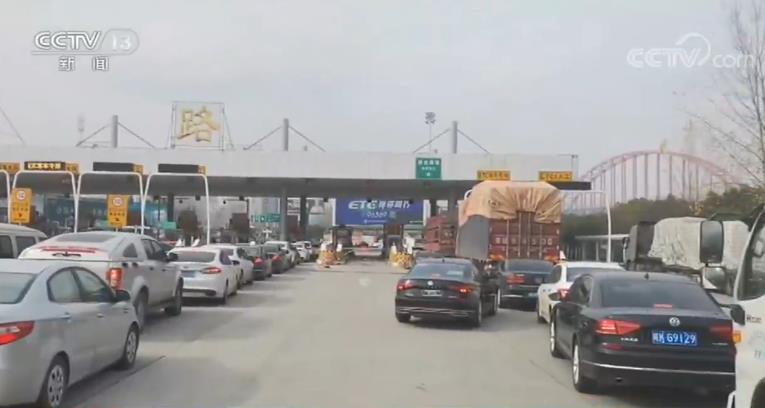
  CCTV News:It’s not the rush hour or holidays. On Thursday, at several high-speed toll stations in Hefei, Anhui Province, there were long queues in the manual toll lanes. The queues were all vehicles that didn’t handle ETC. In contrast, several ETC lanes next to them were very smooth. Car owners told reporters that the reason for the obvious increase in congestion recently is very simple. ETC lanes have increased significantly, while manual toll lanes have decreased significantly.

  Toll station staff:There are all ETC lanes over there

  Reporter:Can’t these two drive?

  Toll station staff:This is the ETC lane, which is being rebuilt and can’t be opened.

  At the exit of Jinzhai Road toll station, all 12 toll lanes have ETC function, and only two or three manual toll lanes are left. A few days ago, a car owner found at the exit of the toll station in Yongzhen Town, Wuhu Expressway that only one artificial lane was left in 16 lanes.

  Tao Huang, Deputy Director of Operation Management Department of Anhui Communications Holding Group:According to the document jointly issued by the Ministry of Communications and the National Development and Reform Commission, the number of special ETC lanes around our large and medium-sized cities will account for 70% of all our lanes before the end of October, so it is objectively caused by a certain reduction in artificial lanes.

  At various toll stations, ETC propaganda slogans can be seen everywhere, not only with ETC handling points, but also with loud ETC propaganda broadcasts. The words of the staff of Jinzhai Road toll station made it clear that the reduction of artificial lanes seems to be to force the car to host ETC.

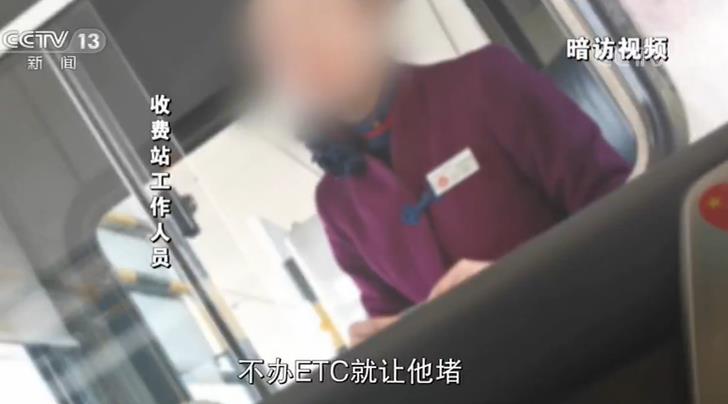
  Toll station staff:Do ETC, do it quickly, and it will be even more blocked in the future. Now there are still three lanes, and next year there will be one lane.

  Reporter:The traffic jam lasted so long.

  Toll station staff:Traffic jam, now say that if you don’t do ETC, let him block it, that’s what you said. We have opened more, and we have to bear the responsibility. Who will bear the responsibility?

  Reporter:What’s the responsibility?

  Toll station staff:There are still 3 million cars in Anhui province that have not yet been ETC, so what should we do?

  ETC, that is, non-stop electronic toll collection system, the vehicle ETC can realize unmanned electronic toll collection, and it only takes a few seconds to pass. But even though ETC is so good, so "promoting ETC through congestion" really makes car owners feel uncomfortable.

  Hefei citizens:Why do you have to install ETC? Right? We’re not saying we can’t pretend, but it makes people feel uncomfortable, just like being forced.

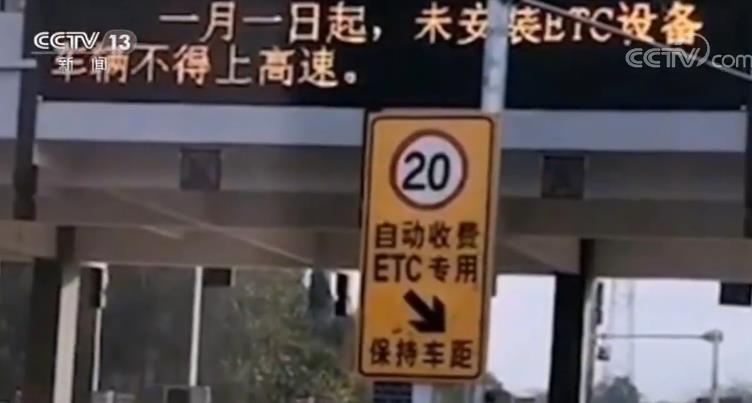
  This year, the national ETC promotion entered the fast lane, and many high-speed toll stations showed unfriendly attitudes towards vehicles without ETC. The toll station of Xiamen North Station once ran a banner of "ETC is not installed, and the expressway is not welcome", and the toll station of Yuanling, Hunan once ran a slogan of "Vehicles without ETC equipment are not allowed to get on the expressway from January 1". So the slogan "Thunder Man" has been removed. In Tianjin, since 0: 00 last Sunday, all the artificial lanes at the entrances of six toll stations, such as Binhai Station, have been cancelled, and vehicles without ETC can’t really get on the expressway.

  On Tuesday, at the Tianjin toll station of Jinbin Expressway, the sign "ETC vehicles only" was still visible, and the broadcast was also played in a loop. Owners who don’t have ETC can either go to the expressway to handle ETC, or they can only turn around and return.

  Tianjin citizens:I feel that this kind of direct closure of the artificial lane is not very comfortable anyway.

  Tianjin citizens:I don’t do this, because I feel it is relatively troublesome to reimburse.

  Tianjin citizens:What should you do when you are old? What should you do if you drive here in your 60 s, don’t have ETC and don’t have a bank card?

  A spokesman for the Ministry of Transport said last week that even next year, ETC will be able to get on the expressway, and toll stations should keep a small number of artificial toll lanes. On Wednesday, after the relevant departments in Tianjin were ordered to rectify, the artificial lanes were reopened at the entrances of six high-speed toll stations such as Binhai Station. The reporter once again came to the Tianjin toll station of Jinbin Expressway, where an artificial lane has been restored. However, is one lane enough and will there be congestion? Dynamically allocate the number of artificial lanes according to the traffic flow, and improve the service to solve the practical difficulties and worries of handling ETC, so that ETC can really reduce congestion instead of adding congestion to high speed.

Cultural China Tour | The ancient intangible heritage collides with youth. The ancient city of Weishan glows with "new life"

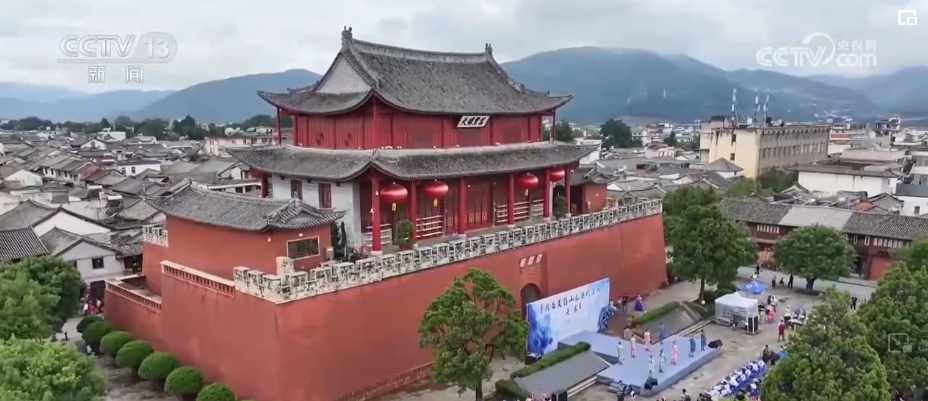
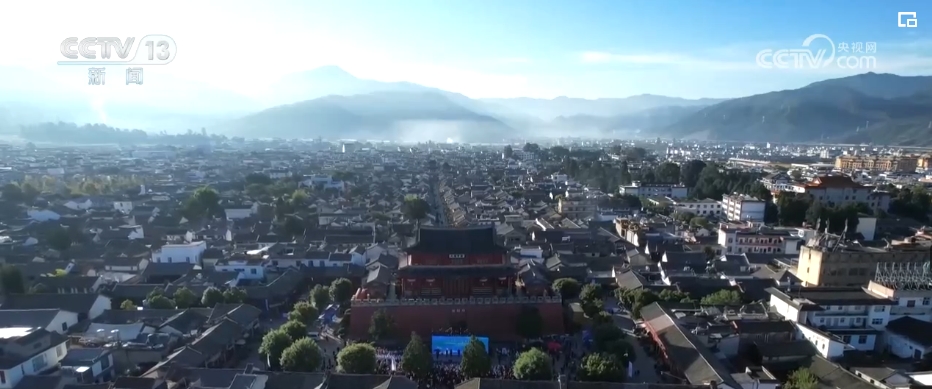
  CCTV News:At the source of the Red River at the foot of Ailao Mountain in western Yunnan, there is an ancient city of Weishan with strong local historical and cultural characteristics, which is the birthplace of Nanzhao ancient country and an important transportation hub on the ancient tea-horse road.

  In the west of Yunnan, at the source of the Red River, the ancient city of Weishan opens every day in a series of delicious food with fireworks rising. A noodle, thin bean powder, and bait block … … In Weishan, there are more than 350 kinds of snacks.

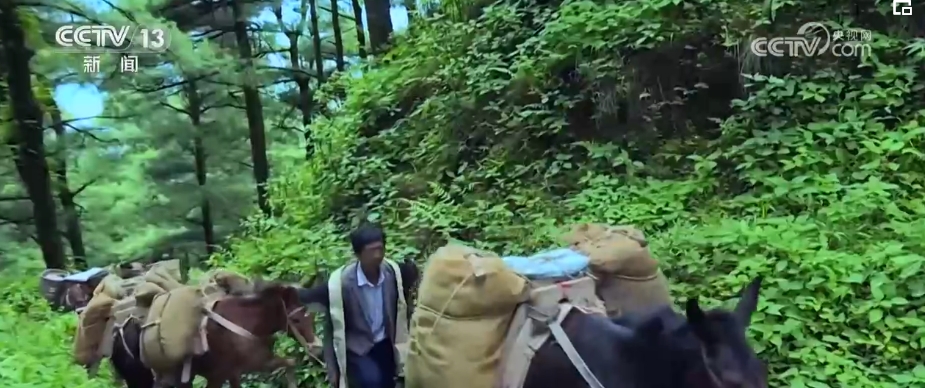
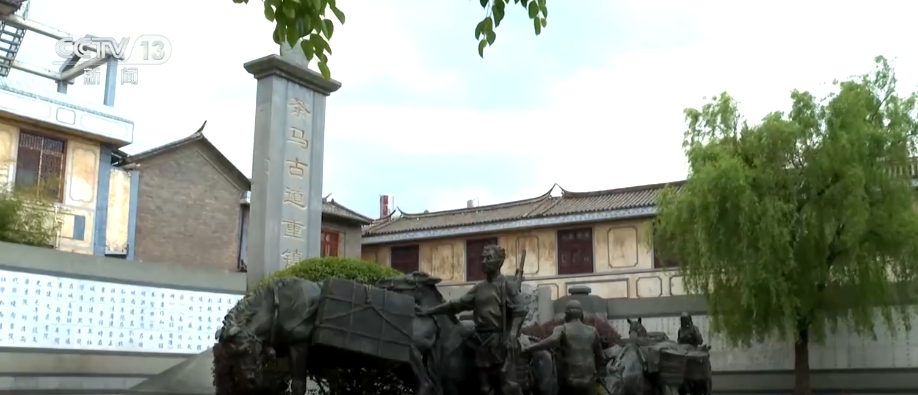
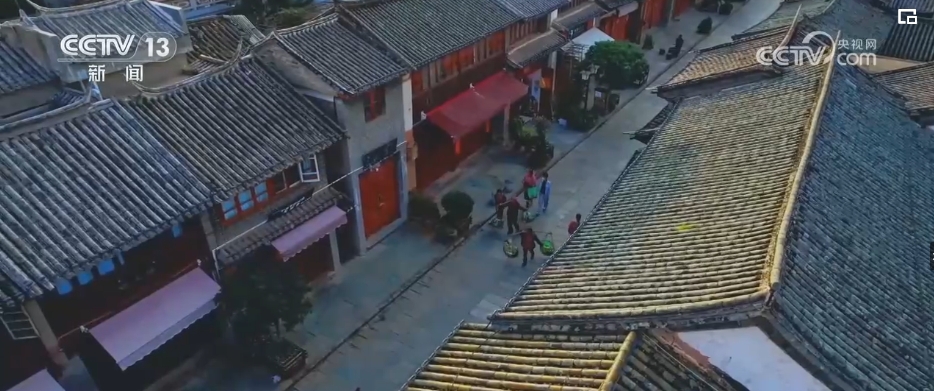
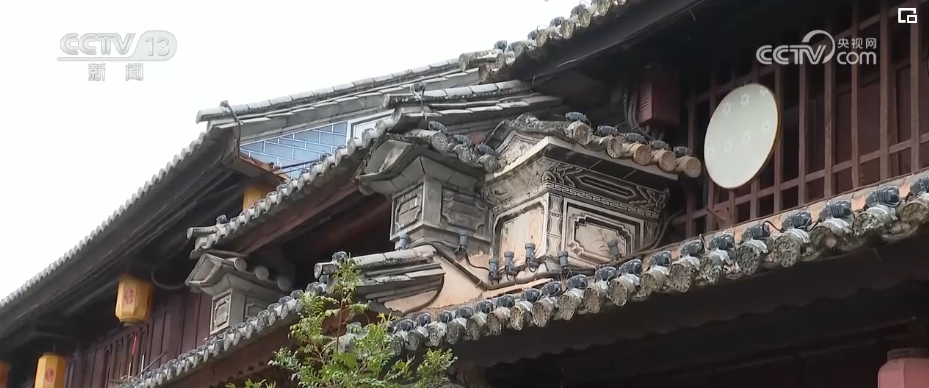
  Weishan is an important transportation hub on the ancient tea-horse road, a distribution center for industrial and commercial materials, and an important stop for horse drivers. Traces of horse teams can be seen everywhere in the ancient street.

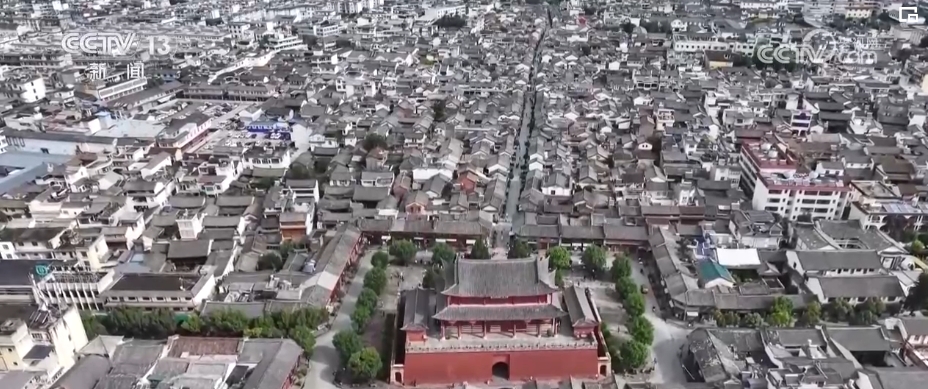
  Weishan prospered because of the tea-horse trade. In the Hongwu period of the Ming Dynasty, because of the implementation of the military camp, immigrants from the Central Plains built this ancient city full of wisdom here. Overlooking Weishan, the ancient city chose the terrace area in site selection to avoid damaging the surrounding fertile fields. The ancient city is high in the north and low in the south, high in the east and low in the west, forming a rapid drainage system. There has never been waterlogging in the ancient city for more than 600 years.

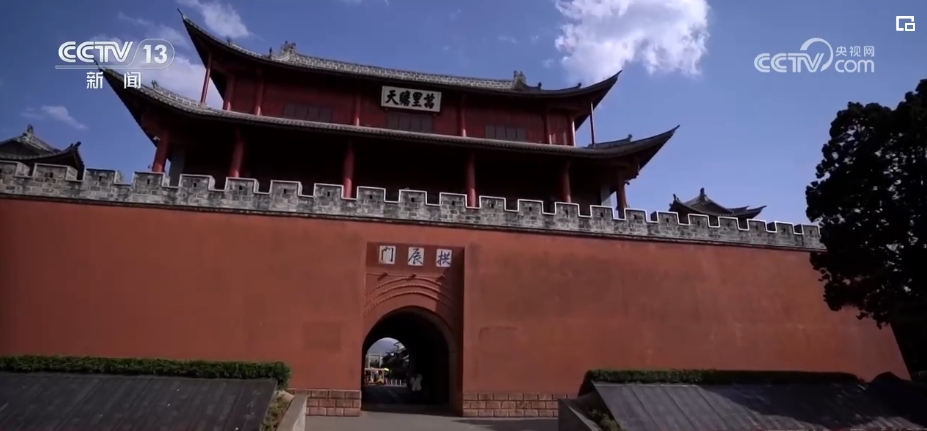
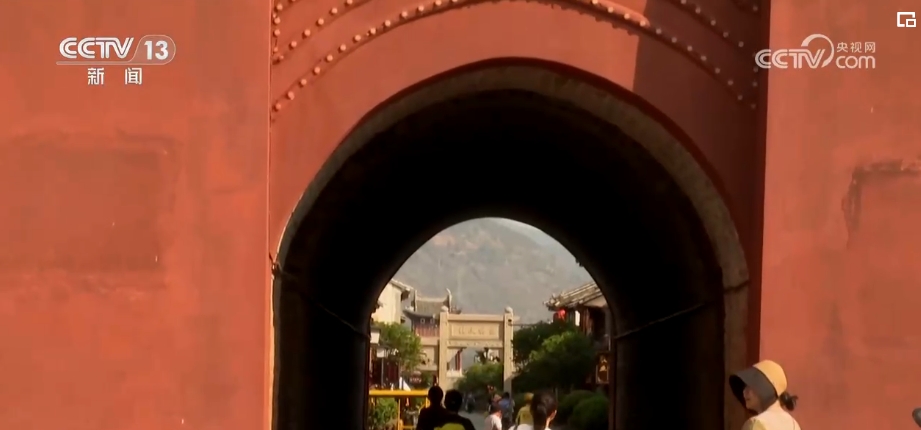
  Standing outside the north gate of the ancient city, you will find that the whole gate is tilted to the west, passing through the doorway, and looking back at this ancient street, it also looks inclined. This pattern, which is called "slanting doors and crooked roads", actually contains its unique architectural wisdom.

  Cha Shangzhen, Party Secretary of the Housing and Urban-Rural Development Bureau of Weishan County, Dali Prefecture, Yunnan Province, said that the wind is relatively strong and the street is slightly inclined to avoid the direct blowing of the north wind. The ancient houses in Weishan ancient city are all some buildings with four-in-one and five-patios left over from Ming and Qing Dynasties, which increase the lighting slightly to the west to make up for the lack of light.

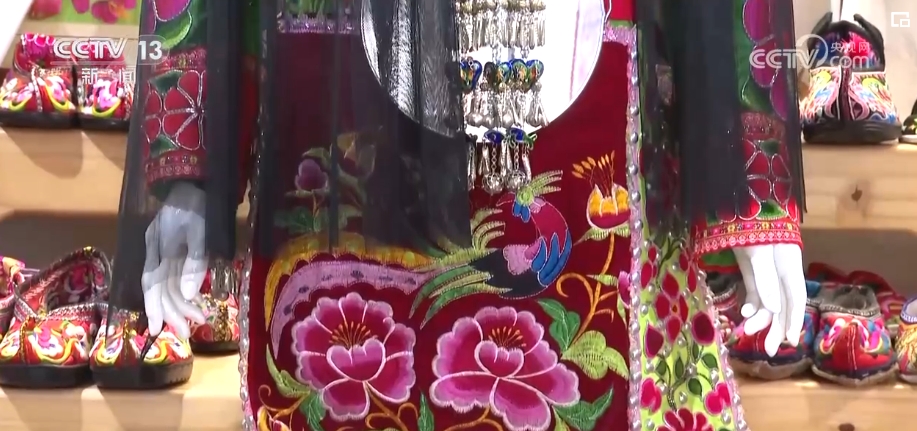
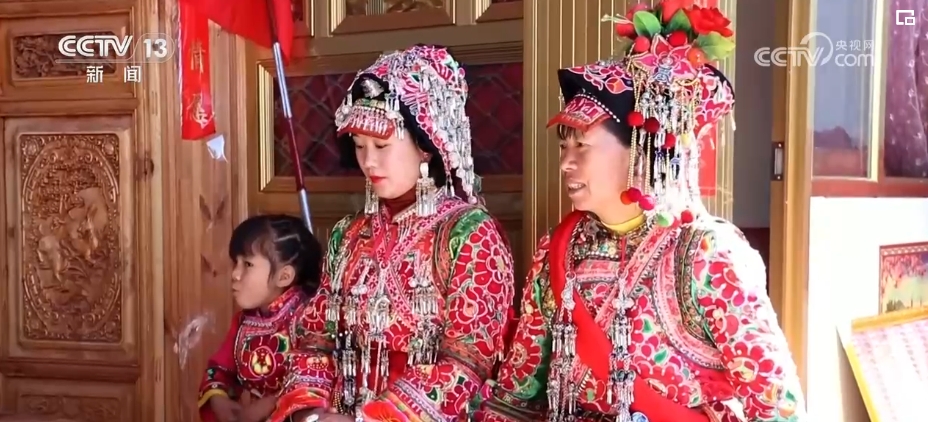
  Weishan ancient city has a history of more than 600 years, but the culture here can be traced back to 1300 years ago. This small shop is an important stop for foreign tourists to understand the culture of southwest ethnic minorities. This gorgeous costume is the court costume of Nanzhao ancient country under the rule of Tang Dynasty, and the peony and camellia on the clothes show the elegance of the court. In the 8th century AD, the ancestors of Yi people unified six local tribes and established such a minority regime.

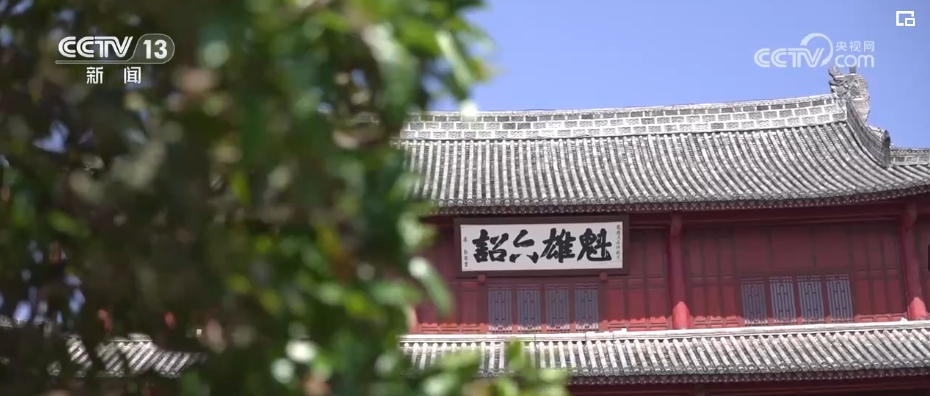
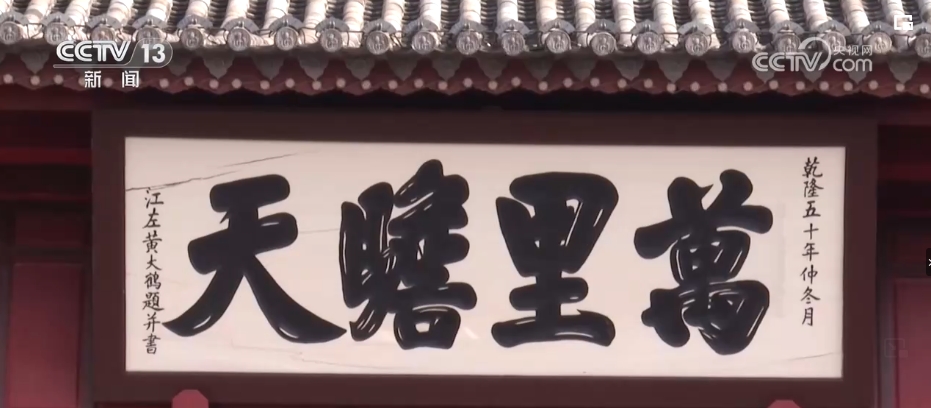
  Guo Xiaobin, Party Secretary of Weishan Culture and Tourism Bureau, Dali Prefecture, Yunnan Province, said that Nanzhao ancient country adopted the political line of "taking the Tang Dynasty as the official moon" and made important contributions to consolidating the unity of the southwest frontier of the motherland and the prosperity of the nation. In the north gate of the ancient city in the Qing Dynasty, two plaques, Six Letters from Kui Xiong and Wan Li Zhantian, were hung, which showed the unified thought.

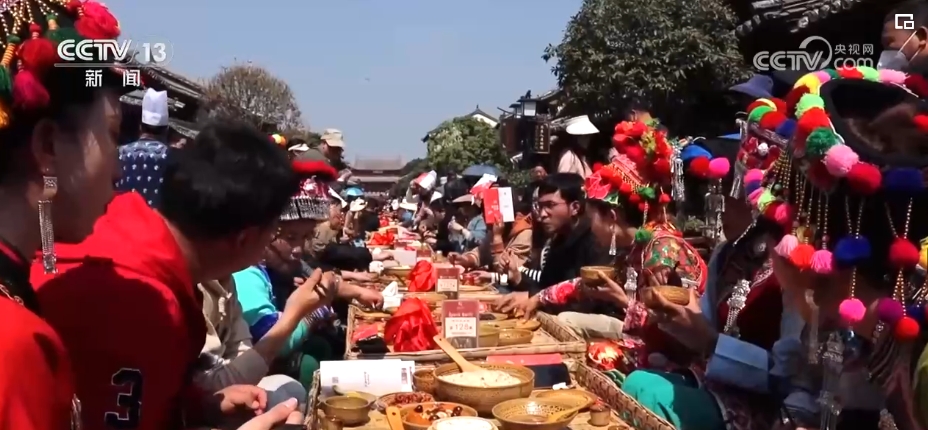
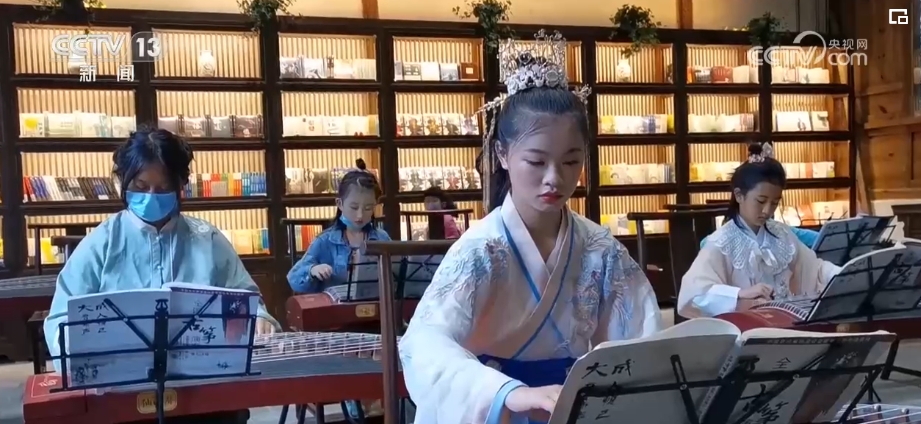
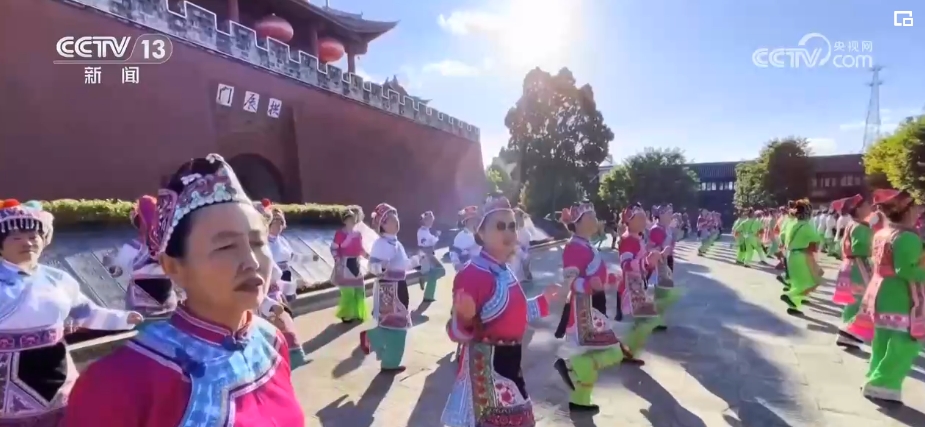
  Today, in Weishan, brothers and sisters of more than 20 nationalities, such as Han, Yi and Hui, accept visitors from all over the world with simple and friendly feelings. Walking along the street, there are more than 400 ancient buildings and more than 4,000 sets of cultural relics listed for protection in the small town. Wenhua Academy in Qing Dynasty is still a place of Chinese studies for studying piano, chess, calligraphy and painting.

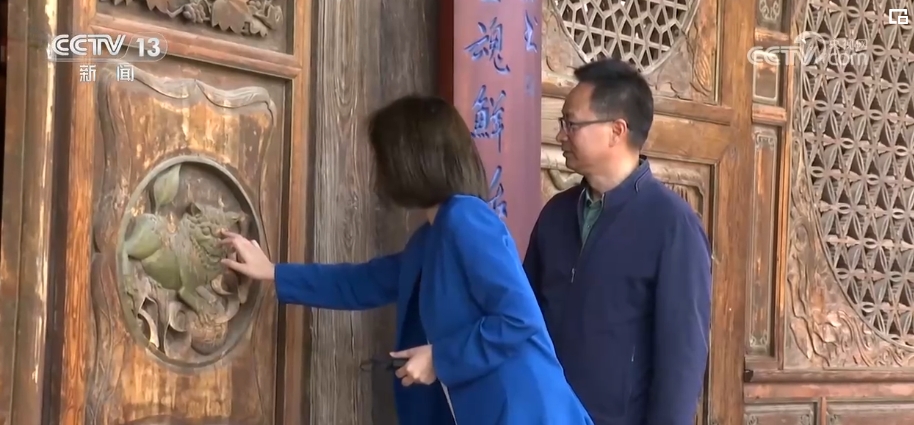
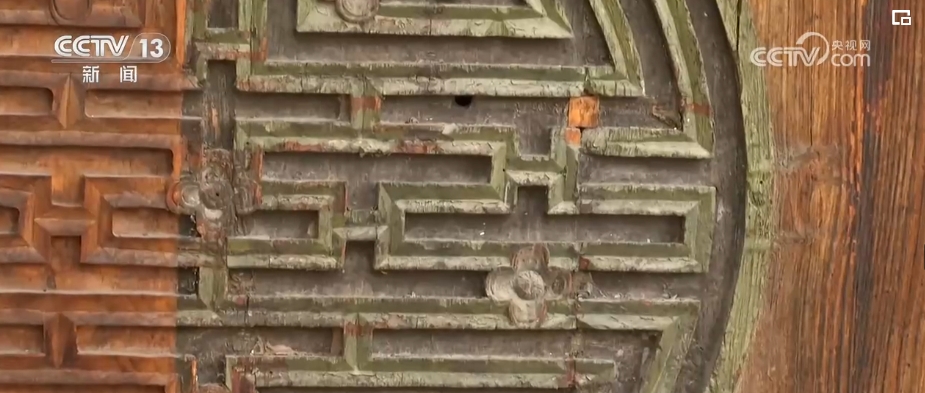
  Walking in the ancient buildings, I found many small patches with different colors.

  Zi Xing, director of the Cultural Relics Management Office of Weishan County, Dali Prefecture, Yunnan Province, introduced that the inheritors of wood carvings at Weishan provincial level should be carved and supplemented, and the cultural relics should be repaired with embroidery.

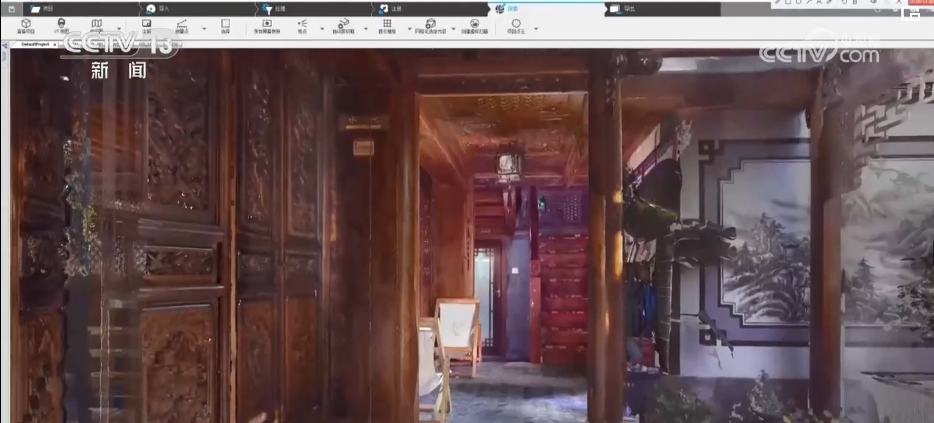
  In addition to exquisite craftsmanship, in Weishan, three-dimensional mapping technology is applied to the protection of ancient buildings.

  Cha Shangzhen said that now with three-dimensional mapping, tens of thousands of points can be measured at a time, and details, textures, colors, materials, and even the details of cracks or tiles in the wall can be completely recorded. After the establishment of the database, no matter what kind of risk damage the building will encounter in the future, it can be completely restored according to the data. Leave the wisdom and heritage of the ancients to future generations, and what kind of city the ancients left us, we will leave it to future generations.

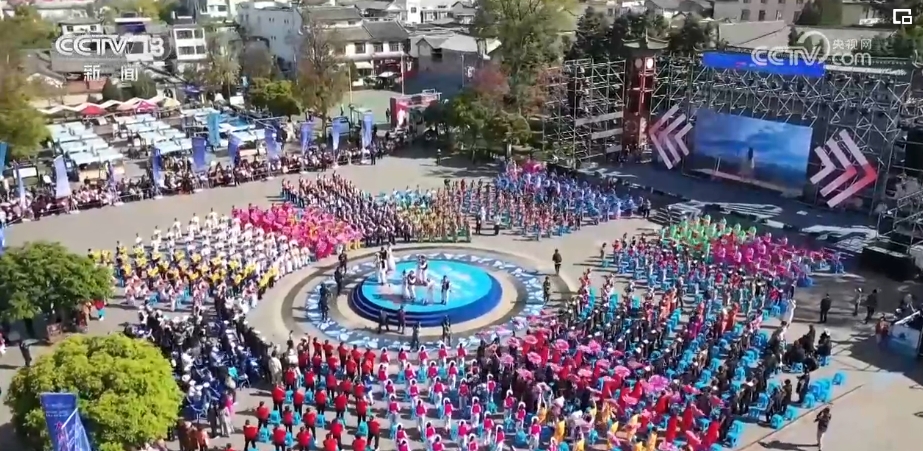
  On the streets of Weishan ancient city, lusheng with mellow sound quality, exquisite cloth and colorful songs have attracted tourists from all over the world to stop and enjoy. There are 89 intangible cultural heritages at all levels in Weishan, and 21 intangible cultural workshops have been set up locally, which makes the intangible culture glow with "new life". Non-legacy songs are integrated with fashionable street dance, and tie-dyeing techniques meet with modern catwalks. When the ancient non-legacy collides with youth, the ancient city of Weishan also glows with new elegance in the vigorous pulse.

China’s ration self-sufficiency rate exceeds 100%, and there is no gap between grain supply and demand.

  This year, China’s grain production has withstood many tests, such as epidemic, flood, typhoon, snowfall and meadow moth, and it is still expected to get another bumper harvest. The Economic Daily reporter learned from relevant parties that China’s total grain output is expected to exceed 650 million tons this year, and the grain supply is sufficient, so China has the ability to secure its rice bowl.

  There is no gap between grain supply and demand.

  A few days ago, a research institute released a report saying that by 2025, there may be a gap between grain production and demand of about 130 million tons in China, of which the gap between grain production and demand is about 25 million tons. Some people think that China will face food shortage.

  In fact, there is a gap between grain production and demand, not a gap between grain supply and demand. At present, China’s grain stocks are sufficient, and the stored rice and wheat can feed the national consumers for more than one year. The self-sufficiency rate of corn is over 95%, and the grain supply can fully meet the market demand.

  Xi Yinsheng, a researcher at the Rural Economic Research Center of the Ministry of Agriculture and Rural Affairs, told reporters that the gap between grain production and demand and the gap between supply and demand are two different concepts. The gap between production and demand refers to the shortage of annual output compared with demand, and the shortage is the gap between production and demand. The gap between supply and demand refers to the situation that the supply is not enough to meet the consumption demand. In addition to the output, the grain supply also includes the effective supply and import of the annual inventory. At present, there is no gap between supply and demand in China’s grain.

  The gap between grain production and demand in China did not begin this year, mainly because of the limited soybean production capacity in China. The annual demand for soybeans in China is about 110 million tons, and more than 90% of soybeans need to be imported. 80% of imported soybeans are processed into feed and 20% into edible oil, which has little effect on the safety of rations. Cereals mainly include wheat, rice, corn, barley, sorghum, etc., among which wheat, rice and corn are also called the three staple foods, and wheat and rice are collectively called the two major rations. According to the white paper "Food Security in China" issued by China in 2019, the self-sufficiency rate of wheat and rice in China exceeds 100%, and the self-sufficiency rate of grain exceeds 95%.

  At present, China’s grain production and demand are basically balanced, and there is no obvious gap between production and demand, but there are structural contradictions. Xi Yinsheng believes that the gap between grain production and demand in China is 25 million tons, mainly referring to the gap between corn production and demand. There is a big gap between corn production and demand, not because China’s production capacity is not enough, but because it is the initiative and inevitable requirement for China to promote the structural reform of agricultural supply side in recent years. At present, the widening gap between corn production and demand is only a phased problem of the adjustment of supply and demand, not a long-term problem. In the future, under the influence of market mechanism, China’s corn production is likely to resume growth, and the gap between production and demand is expected to gradually narrow and achieve a basic balance.

  Although there is a gap between corn production and demand in China, there is no gap between supply and demand. In terms of output, although this year has been affected by the typhoon, it is still higher than last year. From the sales of stored corn, this year, the auction turnover of temporary storage corn in China exceeded 56 million tons, some of which have not yet been delivered out of the warehouse, and some of them have not been consumed after delivery, but have been transferred from state inventory to private inventory. According to the delivery schedule, it is estimated that more than 20 million tons of temporary storage auction corn will be carried forward to next year’s consumption. From the perspective of imports, from January to July this year, 4.57 million tons of corn was imported, up 30.7% year-on-year, and the market supply was completely no problem.

  Superposition factors lead to food price fluctuation.

  Data from the agricultural sector show that the output of summer grain and early rice increased this year, reaching 340.2 billion Jin, an increase of 4.48 billion Jin over the previous year, especially early rice, which reversed the downward trend for seven consecutive years. The harvest of autumn grain is drawing to a close, and it is estimated that the annual grain output will hit a record high again, and it will remain above 1.3 trillion Jin for six consecutive years, firmly holding the rice bowl in its own hands.

  Xi Yinsheng believes that the epidemic situation has basically no obvious impact on grain production. Although floods have affected rice production in some areas, from the overall situation of the country, the years with sufficient precipitation are generally beneficial to grain production, and the probability of high yield is high. Three consecutive typhoons in Northeast China have caused maize lodging in some parts of Northeast China. However, due to the generally good growth of maize in the early stage, most of the yield of maize in Northeast China has basically formed when the typhoon occurred, and the actual impact is limited.

  Adequate grain stocks are the "anchor needle" to stabilize the market. China’s grain storage consists of three categories: government storage, policy storage and enterprise commodity storage. Government reserves, including central grain reserves and local grain reserves, are "ballast stones" to ensure food security. Policy inventory is the inventory formed by the state’s policies of minimum purchase price and temporary storage. The inventory quantity is considerable and it is auctioned in the market all the year round. According to the data of the National Grain Trading Center, as of October 29th, this year, a total of 203 national policy grain auctions were organized, with a total auction volume of 96.956 million tons, effectively meeting the market demand. Enterprise commodity inventory refers to the self-owned inventory that enterprises need to establish for business turnover. At present, there are more than 40,000 enterprises in the system, and the inventory quantity is not small. "In recent years, the operational risk awareness of China’s grain enterprises has been further enhanced, and the willingness to build more stocks and master more grain sources has been significantly improved. At present, the commodity stocks of enterprises that have entered the system have increased by more than 20% year-on-year." Qin Yuyun, director of the Grain Reserve Department of the State Grain and Material Reserve Bureau, said.

  The food supply is guaranteed, but the prices of rice, wheat and corn have all increased to varying degrees this year, especially since October, the price of corn in Northeast China has increased greatly. Xi Yinsheng believes that the increase in grain prices this year is the result of the superposition of many factors. First of all, the global spread of the COVID-19 epidemic has aroused the international community’s concern about food security. Some countries have taken measures such as restricting exports, which has pushed up international food prices and transmitted them to China, thus affecting the trend of food prices. Secondly, the typhoon caused corn lodging in some parts of Northeast China, which led to a significant increase in corn harvest costs and pushed up corn prices. At the same time, the corn harvest and listing were delayed, and farmers’ reluctance to sell further strengthened the expectation of corn price increase. Thirdly, the boosting effect of market speculation on grain price increase is very obvious. Since the beginning of this year, hot money speculation on corn and other price increases are expected to be obvious, and frequent speculation on topics such as weather and epidemic situation has contributed to the increase in food prices.

  From food security to food security

  Food security has certain levels, which can be generally divided into three levels: ration security, grain security and food security. At present, China has achieved the goal of "basic self-sufficiency in grain and absolute safety in rations", and the food security situation is at its best in history.

  Since the 18th National Congress of the Communist Party of China, China has established a national food security strategy of "focusing on ourselves, basing itself on the domestic market, ensuring the production capacity, moderately importing and supporting by science and technology", and it is clear that we should rely on our own strength to concentrate the main domestic resources to ensure the basic self-sufficiency of cereals and the absolute safety of rations. Guoqiang Cheng, a member of the National Food Security Strategy Expert Advisory Committee and school of economics and management of Tongji University, believes that after years of unremitting efforts, China has established a "trinity" food security guarantee mechanism, that is, a domestic food production system with the core of ensuring the absolute safety of rations; A grain reserve system focusing on responding to all kinds of emergencies and maintaining market stability; The global agricultural product supply chain, which aims at making overall use of the international grain market and resources, supports and cooperates with each other. Among them, the domestic grain production system and reserve system embody the food security policy of "taking myself as the main factor and basing ourselves on the domestic market" and "grain is basically self-sufficient and rations are absolutely safe", while the global agricultural product supply chain is the policy design and path selection of "moderate import". By moderately importing non-staple agricultural products such as soybeans and meat, the pressure of insufficient domestic water and soil resources is alleviated and agricultural resources are concentrated to ensure rations production.

  Food security is actually food security. According to the definition of FAO in 1983, the goal of food security is to "ensure that all people can buy and afford the basic food they need at any time". Nowadays, China’s food security has changed from the pursuit of "eating well" to "eating well", and the perspective of examining food security has shifted from food security to food security, and on the basis of ensuring "basic self-sufficiency of grain and absolute safety of rations", food sources have been continuously expanded. It is noteworthy that in recent years, while the rigid demand for food in China is increasing, the food consumption structure is also undergoing important changes, the consumption of rations is gradually decreasing, and the consumption of miscellaneous grains, vegetables, fruits, aquatic products and livestock products is increasing. Between "one drop and one increase", it reflects the trend of more diversified food demand of Chinese consumers.

  "Under the new situation of diversified food consumption, we must establish a big food safety concept and attach importance to ‘ Rice bag ’ We should also pay attention to safety ‘ Shopping basket ’ Safety, build a diversified whole food industry system, meet people’s increasingly diverse food consumption needs, and protect residents’ food and nutrition needs at a higher level. " Xi Yinsheng said.
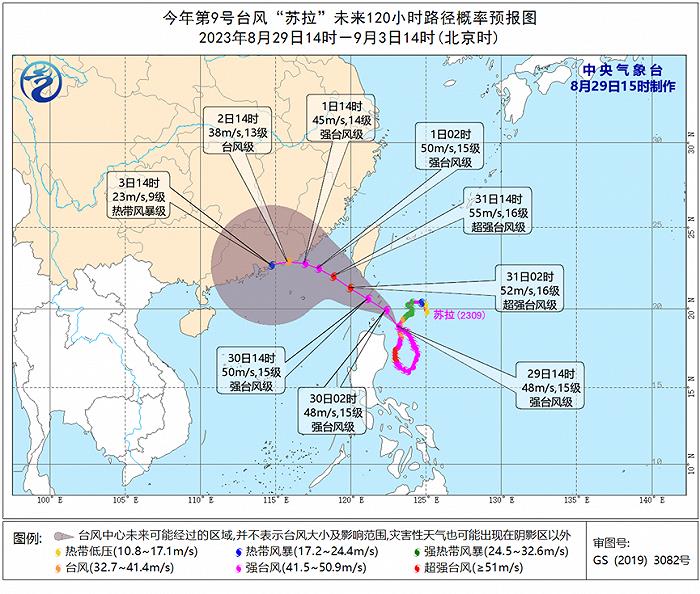
Central Meteorological Observatory: Typhoon Sura tends to the eastern part of Guangdong to the southern coast of Fujian, so it is necessary to guard against the influence of typhoon wind and rain.

CCTV News:According to the WeChat official account news of the Central Meteorological Observatory, Typhoon Sura will enter the northeastern part of the South China Sea on the morning of August 31st, and its intensity will increase again, and it will gradually approach the eastern part of Guangdong to the southern coast of Fujian. It may land on the eastern coast of Guangdong from the night of September 1st to the morning of September 2nd (typhoon level or strong typhoon level), or it may move to the south-west direction in the coastal waters of eastern Guangdong. Typhoon Anemone will begin to affect the eastern waters of China on the night of September 1st.

  Influenced by the interaction between Typhoon Sura and Anemone, there is still great uncertainty in the later stage of Sura. The Central Meteorological Observatory will pay close attention to the trend and influence of typhoon and continuously update the forecast conclusions.

Typhoon forecast

  This year’s No.9 typhoon "Sura" was generated on August 24th. At 14: 00 this afternoon (29th), its center is located on the ocean surface about 410km southeast of Taiwan Province, and the maximum wind force near the center is 15 (48m/s, strong typhoon level).

  It is estimated that "Sura" will move to the north-west direction, enter the northeastern South China Sea on the morning of the 31st, and its intensity will increase again, and gradually approach the eastern part of Guangdong to the southern coast of Fujian. It is possible to land in the coastal area of eastern Guangdong from the night of September 1st to the morning of the 2nd (typhoon level or strong typhoon level, 35-42m/s, 12-14). It is also possible to move to the south-west direction in the coastal waters of eastern Guangdong. The Central Meteorological Observatory has issued a blue warning for typhoon.

  In addition, the 11th typhoon "Anemone" was generated on August 28th this year. At 14 o’clock this afternoon, its center was located on the northwest Pacific Ocean about 930 kilometers northwest of Guam, and the maximum wind force near the center was 9 (23 m/s, tropical storm level). It is expected that Anemone will move to the north-north direction, and its intensity will increase slowly, and it will begin to affect the eastern waters of China on the night of September 1.

Latest wind and rain forecast

  Gale forecast

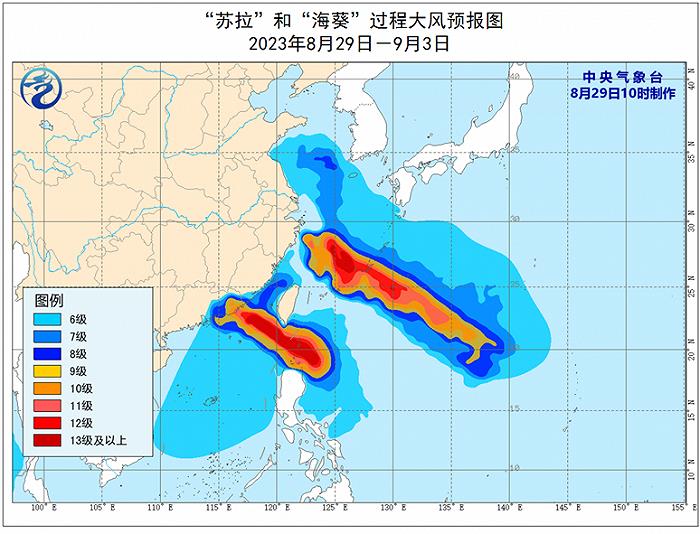
  From August 29th to September 3rd, affected by typhoons Sura and Anemone, there will be 6-8 winds and 9-10 gusts in the southern Yellow Sea, the East China Sea, the Taiwan Province Strait, bashi channel, most of the South China Sea, Fujian coast, the coastal areas in central and eastern Guangdong and the coastal areas in southern Taiwan Province, and 9-10 winds in the southern East China Sea, bashi channel, the northeastern South China Sea and the coastal areas in central and eastern Guangdong.

  Rainfall forecast

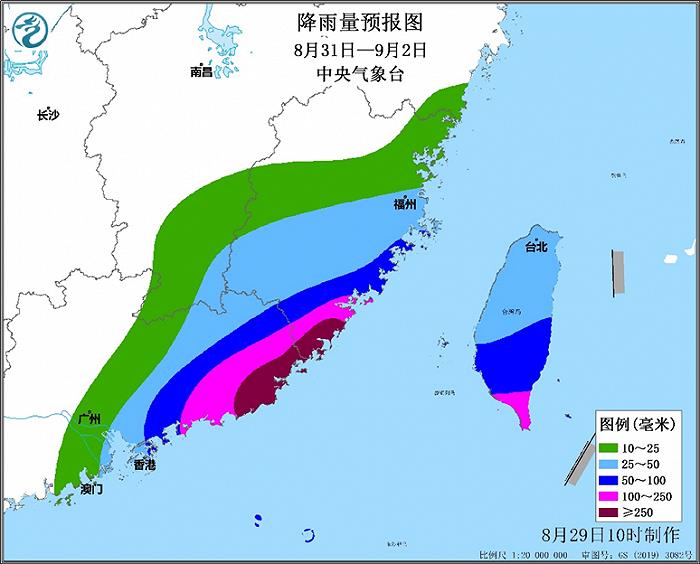
  Affected by Typhoon Sura and cold air moving southward, from August 31st to September 2nd, there were heavy rainstorms in central and southern Fujian, central and eastern Guangdong and Taiwan Province, heavy rainstorms in southeastern Fujian and southeastern Guangdong, and heavy rainstorms in coastal areas (the cumulative rainfall was 150-200mm, and the coastal area could reach 400mm), with the maximum hourly rainfall of 40-80mm.

  Meteorologists reminded

  Recently, typhoons are active, and typhoons Sura and Anemone will affect our country one after another. Sura may land in Guangdong with typhoon level or strong typhoon level. It is suggested that Guangdong and Fujian pay close attention to it and prepare for typhoon prevention in advance. Ships sailing in the sea area related to the typhoon route should return to Hong Kong in time to avoid the wind or the affected area, and the offshore operators should evacuate in advance; Fujian and Guangdong should pay attention to preventing mountain torrents, geological disasters and floods in small and medium-sized rivers, and strengthen the safety management of coastal tourism, transportation and urban operation.

Birds fly, fish jump, and Chongming is fresh (the river flows-a report from the Yangtze River Economic Belt)

  Chongming, the world’s largest estuarine alluvial island, acts as an ecological barrier for Shanghai, a megacity, where the Yangtze River enters the sea.

  Beside Qingcaosha Reservoir in Changxing Island, one of Chongming Island, more than 700 mu of ecological forest separates the reservoir from the living and production area. All kinds of fry in the reservoir area thrive and the biodiversity is effectively protected. "This is not a stagnant pool, but a living ecosystem." Zhu Yiping, director of the Water Quality Center of Chongming Shanghai Chengtou Raw Water Company, said that this water area, which is equivalent to 10 West Lake in Hangzhou, provides clean drinking water sources for more than half of Shanghai’s population.

  Chongming Dongtan is one of the eight major migration routes of birds in the world, with more than 1 million migratory birds inhabiting or transiting here every year. In the past, due to the destruction of wetland ecosystem, the species and number of birds decreased significantly. Since 2013, the ecological restoration project of Chongming Dongtan has been implemented in Shanghai to optimize the bird habitat within 24.2 square kilometers of the protected area. Reed, sea bream, etc. were gradually restored, and the degraded wetland ecosystem was improved. "The number of migratory birds migrating and transiting in 2017 was twice that of 2016." Observing this change, Yuan Lin, an associate researcher at the State Key Laboratory of Estuarine and Coastal Studies of East China Normal University, was pleasantly surprised.

  East of Dongtan, the Chinese sturgeon, which is listed as a "critically endangered" protected species, is being carefully cared for. In the aquatic biological protection base here, Chinese sturgeons, large and small, have been rehabilitated or are multiplying. As the director of the management department of the Chinese sturgeon nature reserve in the Yangtze River Estuary of Shanghai, Liu Jian ‘ai said: "The Yangtze River ecology is good or not, not people, but fish." Up to now, the reserve has carried out more than 20 times of proliferation and release, and hundreds of thousands of rare aquatic organisms such as Chinese sturgeon and mullet of various specifications have been released.

  It is necessary to let birds fly and fish swim, but also to make the lives of ordinary people rich and beautiful. More than 10 years ago, Shanghai made a decision to build Chongming Ecological Island, and rolled out a three-year action plan. In February 2017, Shanghai formulated and promulgated the "Thirteenth Five-Year Plan for the Development of Chongming World-class Ecological Island". The ecological construction station is higher, the principle of ecological island establishment is firmer, the concept of not engaging in large-scale development is more determined, and the direction of green development is more distinct.

  Aiming at Chongming, a world-class ecological island, we will strive to build a new benchmark and demonstration area where people live in harmony with nature and give priority to ecological green development, explore environmental protection models and industrial development models that adapt to our own characteristics, and seize the key to sustainable ecological improvement and industrial development.

  Over the years, Huang Shiying, a 68-year-old villager in Xincun Township, has seen the environmental changes. "In the past, the river was muddy, with a lot of weeds and garbage." Unexpectedly, there is Chongming’s first fixed-point delivery point for rural domestic waste at regular intervals near home. Through the mode of "household separation, household investment, rural transportation and rural disposal", the classified garbage is treated in a unified way.

  In Sanxing Town, the purification tank behind the house of villager Huang Hanbin absorbed the domestic sewage of several villagers nearby. This is a low-cost sewage treatment equipment introduced by the town according to local conditions, which makes "the river water better and the flies and mosquitoes less". Once considered to be the most difficult to implement garbage sorting, Chongming District basically completed it in one year, and now it has achieved full coverage of garbage sorting.

  The way of ecological priority and comprehensive improvement, Chongming is getting wider and wider. The development of eco-industry focusing on emerging industries such as urban modern green agriculture, eco-leisure tourism and marine equipment manufacturing is also booming.

  Chongming has selected 10,000 mu of land in the whole region to carry out the production of "two-chemical-free" rice without chemical fertilizers and chemical pesticides. The first batch of new rice will be listed soon this year, and farmers are expected to increase their income by 20 million yuan. "Although the yield per mu will be much lower, we will build sales channels and win by quality." Shi Yuping, deputy general manager of Beihu Agricultural Development Co., Ltd. is very confident. In the future, Cuiguan pears, oranges and vegetables, which are "two-for-nothing", will also become the superior products of Chongming’s green agriculture.

  In Changxing Town, east of Qingcaosha Reservoir, the marine equipment industry has begun to take shape. Changxing Town takes marine equipment and supporting, intelligent manufacturing industry as the development focus, and promotes intelligent production lines and green shipbuilding technology. Chongming has set the highest green development threshold in the city. On the one hand, it optimizes the negative list of industrial access, on the other hand, it guides the island’s industries to concentrate in the park, develops producer services that meet the requirements of ecological environment protection, and builds a demonstration area of green economy.

  Good air can also be eaten as a meal. Today, Chongming Island attracts more and more tourists, with 3.25 million visitors in the first half of this year alone. With Chongming District being qualified to host the 10th China Flower Expo in 2021, this green ecological island near the river and the sea will be transformed into a colorful "flower island on the sea", showing the beauty of ecological harmony and the charm of green development, adding luster to Shanghai.

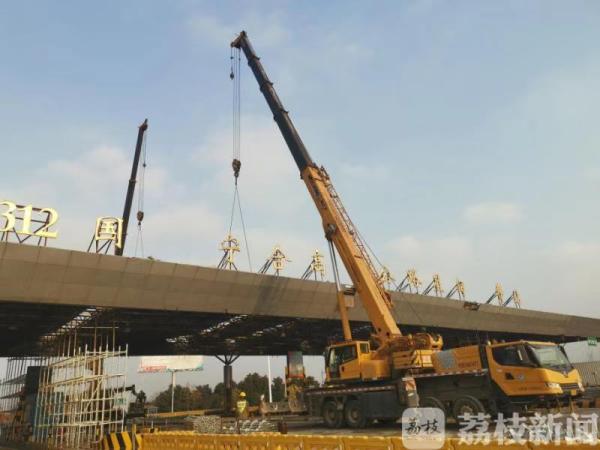
At 0: 00 on January 1, 2020, these two toll stations will charge at the same time.

  On May 16th, 2019, the State Council issued the "Implementation Plan for Deepening the Reform of Toll System and Cancelling Provincial Toll Stations of Expressway", and deployed the working goal of "Strive to basically cancel provincial toll stations of expressway before the end of this year". Among them, there are two toll stations in Nanjing Guan Expressway, namely, Xingdian Toll Station of G40 Hushan Expressway (referred to as Xingdian Toll Station) and Ningma Toll Station of G4211 Ningwu Expressway (referred to as Ningma Toll Station).

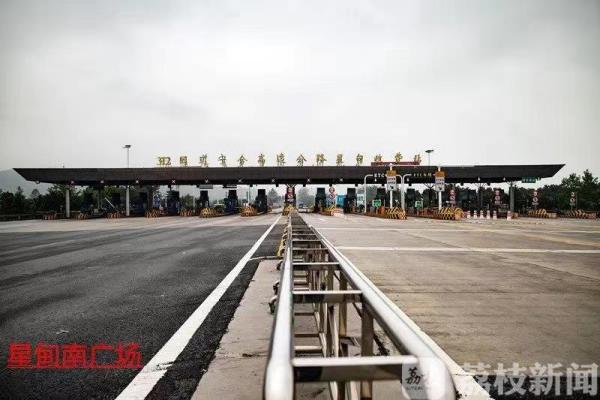
  The provincial boundary toll stations of Ninghe Expressway include the original Xingdian toll station and Wuzhuang toll station. Among them, Xingdian Toll Station is located in Jiangsu, 5.4 kilometers away from the Jiangsu-Anhui provincial boundary, and is responsible for collecting Jiangsu tolls; Wuzhuang Toll Station is located in Anhui Province, 6.2 kilometers away from the Jiangsu-Anhui provincial boundary, and merged into the networked expressway section of Anhui Province. In order to realize the rapid passage of vehicles, the former Jiexingdian toll station of Ninghe Expressway in Jiangsu Province will be officially demolished with the joint coordination of Jiangsu and Anhui provinces and the approval of the Ministry of Transport. From 0: 00 on January 1, 2020, the toll station will be charged in parallel with the Wuzhuang toll station of Ninghe Expressway in Anhui Province.

  After the plan was clear, under the guidance of the provincial highway center, Nanjing overcame the difficulties of tight construction period and high construction risk, carefully organized and made overall arrangements, and carried out the demolition work in an orderly manner in strict accordance with the demolition plan approved by experts. In only 9 days, the facilities such as the safety island, the toll booth and the toll shed above the main line in the six lanes of the main line in the station area were demolished, and the road surface restoration, guardrail installation, marking and marking were completed. On December 20, the goal of straightening the main line of the highway was successfully completed. On January 1, 2020, after the parallel station charging is implemented in Wuzhuang Toll Station of Ninghe Expressway in Anhui Province, the original Xingdian Toll Station area will realize two-way four-lane traffic.

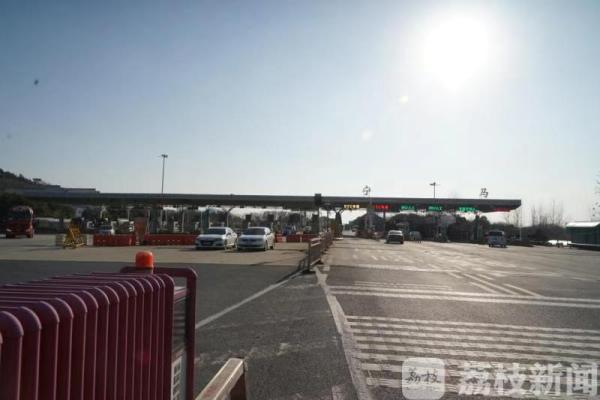
  The ETC reconstruction of Ningma Toll Station of Ningwu Expressway has been completed.

  Ningma Toll Station of Ningwu Expressway is located in Nanjing, Jiangsu Province, 330 meters away from the Jiangsu-Anhui provincial boundary, and is co-located with Anhui (Anhui implements closed network toll collection). Nanjing is responsible for the charge management in the direction of entering Anhui, and issues a pass card for the entrance of Anhui road network. According to the Overall Technical Plan for Cancelling Provincial Toll Stations of Expressway issued by the Ministry of Transport, the Letter on Cancelling Provincial Toll Stations of Expressway in Jiangsu and Anhui Provinces and the spirit of the meeting on related matters of provincial toll stations in Jiangsu and Anhui Provinces, Ningma Toll Station is temporarily retained as a port station for controlling the entrance and exit of toll sections of closed-end networked expressway in Anhui Province, and the transformation of the station is jointly implemented by Jiangsu and Anhui. At present, the reconstruction of ETC lane of Ningma toll station has been completed.

  For more exciting content, please watch "News 360" broadcast on Jiangsu Public News Channel at 18:30 and "News Eye" broadcast on Jiangsu Satellite TV, or download our Su Net and Litchi News APP.

  (Source: Jiangsu Guangdian Rong Media News Center/Tian Tian Editor/Gao Ruoting)

Ada’s "Twelve Constellations" premiere show breast enhancement David is willing to celebrate semi-naked


Ada appeared in a low-cut dress.


Gan Vei


David


    Movie network news
(Photo/Qian Jiayi/Theway) On July 11th, the film premiered in Beijing. Producer Chen Guo, director Zhimin Sheng and starring David, Gan Wei, Qin Hao, Ada, Kimi, Song Ning and Du Haitao all attended. On the same day, Ada showed off her good figure again. Although she claimed to be "the most conservative dress", she was also a low-cut dress, revealing her career line. David, whose abdominal muscles are exposed in the poster, said that if the box office of the movie exceeds 50 million, he would take off his shirt and celebrate with half-nakedness. The film will be released on July 13th.

Ada’s low-cut breasts burst into action and experience death.

    On the same day, most of the creative artists appeared in black and white. Ada, who has always been wearing sexy clothes, chose a black low-cut vest with a long skirt. She showed off another career line and said that she did not deliberately. "The director asked me to dress conservatively this time. I really rummaged through the closet for a long time to find this dress." In the play, Ada also has a lot of exposed costumes. When asked if he cares that everyone’s focus is always on the figure every time he goes out, Ada generously responded: "This is a good thing. Today, many photography teachers are willing to shoot me, at least they don’t shoot me because they hate it. Make me beautiful."

    In the film, Ada was tortured when filming the scene of death. "That scene was filmed in the early morning. I was really stuck in my throat by a broken lens. I can still feel that feeling now. I don’t want to die like that in the future. I just want to die of old age." As Ada said, she was stabbed to death by many broken lenses in the film. She was covered with lenses all over, and the picture was very scary.

Next page: David is willing to celebrate half-naked Qin Haosheng eats crabs.

70% of college students love "poor travel", and the travel expenses are less than 4,000 yuan.

  It is also a good way to go backpacking during the winter and summer vacations. The reporter’s investigation found that in recent years, more and more college students love free travel. Among them, more people choose "poor travel". According to the reporter’s investigation, 70% of college students spend less than 4000 yuan on tourism. Cheap airline tickets, couch surfing, hitchhiking, etc. have all become strange tricks for college students to save money, and it is not uncommon for them to spend less than 100 yuan per day.

  Love to be free,Yunnan only spends 3000 yuan in 7 days.

  Previous surveys showed that 60% of middle school students in China spent more than 6,000 yuan on summer vacation travel, far exceeding the cost of college students. What is the cost of college students’ summer vacation travel? A few days ago, the reporter launched a questionnaire survey on college students’ travel costs, and 106 valid questionnaires were collected.

  According to the survey data, 77% of college students are more willing to choose self-help travel, and the travel expenses will decrease accordingly. 8.49% of students spend less than 1000 yuan, 66.99% spend between 1000 yuan and 4,000 yuan, 16.98% spend between 4,000 yuan and 6,000 yuan, and only 7.55% spend more than 6,000 yuan. In other words, more than 70% of college students spend less than 4,000 yuan on a trip.

  "College students are adults and have the ability and experience to take care of themselves. You have to be chased away with the group, and the tour fee is still expensive. Free travel completely arranges its own time route, which can experience the local customs more deeply, and it is also cheaper, suitable for college students whose economy is not yet independent. " Xiao He, a college student in Guangzhou, said that this summer vacation, he traveled to Yunnan with his friends, and the seven-day journey cost more than 3,000 yuan. The price of the tour group on the same route is about 5,300 yuan, and the free travel is almost 2,000 yuan cheaper than the tour group.

  Save money wisely, choose low-cost airlines to stay in youth travel.

  Most college students are not yet financially independent. Where can they get the travel expenses? The reporter’s survey results show that about 10% of students will earn their own living through part-time jobs and scholarships; 12% of the students surveyed said that they would accumulate from the living expenses; 77% of the students choose to be provided directly by their parents.

  According to the survey, more than 70% of the respondents believe that tourism spending is mainly in transportation and accommodation. In terms of travel mode, nearly half of people still choose planes.

  "Planes are not necessarily more expensive than trains." Xiaoli, a college student, said confidently. She went to Thailand last November, and the round-trip ticket was less than that of 1000 yuan.

  "I will try to choose a low-cost airline. Although the seats are relatively narrow, plane meals and consignments must be purchased separately, but the price is indeed favorable. If you catch up with the big promotion, it is possible to fly dozens of pieces to Southeast Asia. " She said.

  Accommodation is also the key to saving money. 21% college students choose youth hostels when they travel, and 61% choose express hotels and homestays. Star hotels rarely appear in college students’ travel budgets.

  Xiaoli told reporters that she always stays in youth travel when she travels. "The most important thing is health and safety. Living in youth travel can make more new friends. Travelers from all over the world share their travel experiences and even travel together. These are the most vivid parts of the trip. "

  "Poor Travel" God teaches you how to save money.

  In recent years, poor travel with difficult conditions but deep experience has become more and more popular among college students. In the survey, more than 76% of the students agree with poor travel, and about 40% of them have had poor travel experience. Boys have more poor travel experience than girls.

  Xiao Liu, a student of Guangzhou University, visited Beijing, Hailar, Manzhouli, Mohe and Harbin this summer vacation, which lasted for 29 days and only cost 2,500 yuan.

  Accommodation in Beijing was solved by finding a sofa guest and staying in a friend’s dormitory.

  Being a couch potato saves money, but how to ensure safety? Xiao Liu told reporters: "After contacting the owner, we should observe all kinds of information, log photos, Weibo and so on of the owner on the Internet, first have a basic impression on the owner, and then contact the owner of the local sofa group. The owner of the group is generally reliable, and he will recommend you to the famous sofa owner in the local area. You can judge carefully by combining the information of both parties. "

  In Inner Mongolia and Northeast China, Xiao Liu also carried out a 2000-kilometer hiking trip. Standing on the national highway, he held a card with a destination in one hand and a thumb in the other, and "cut off" 13 enthusiastic drivers all the way. When you can’t get a ride, you will hike, and you will always be ready to spend the night on the roadside with your tent and sleeping bag.

  The safety of hitchhiking has also been controversial. Recently, many cases of college students in distress due to taking a black car have been exposed in China. Liu Ye admitted that he was worried all the way. "Hitchhiking is about mutual trust. Many times, the driver who drives you is also worried about their own safety. It is best to go hand in hand."

  Xiao Xie, a girl, also has her own safety tips for hitchhiking. Last summer vacation, she walked alone in Yunnan and hitchhiked around.

  Her approach is: "First, take the initiative to chat with the driver and learn as much as possible about the driver’s information, so as to distinguish between good and bad; The second is to call a friend in front of the driver and pretend to make an appointment with a friend at the destination, so that the driver can dispel the evil intention that may be caused by a girl walking alone; Third, keep in touch with the outside world through Weibo WeChat, and take photos with drivers and put them online just in case. Going out, it is always right to have multiple minds. "

  A senior "donkey friend" pointed out that poor travel does save money and is special, but it should be carried out under the premise of safety. Before going on a poor tour, you often need to do a lot of data collection and physical exercise preparation, which is not suitable for everyone. College students still have to choose the right way to travel according to their own ability and physical quality. (Reporter Lin Shining Intern Lu Yanjun)

(Source: Yangcheng Evening News)

A total of 31 earthquakes were recorded by 14: 00 in Hutubi earthquake, Xinjiang.

An earthquake of magnitude 6.2 occurred in Hutubi, Xinjiang, and a total of 31 earthquakes were recorded by 14: 00.

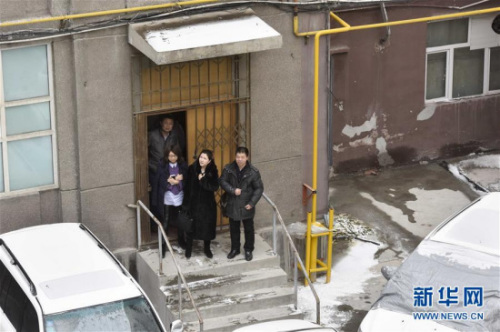
  On December 8, citizens walked out of a building in Urumqi to prevent aftershocks. Xinhua News Agency reporter Zhao Geshe

  BEIJING, Dec. 8 (Xinhua)-The China Seismological Network officially determined that a magnitude 6.2 earthquake occurred in Hutubi County, Changji Prefecture, Xinjiang at 13: 15 on December 8. Weibo, the official of Xinjiang Seismological Bureau, released the latest news. According to Queergou Town near the epicenter, a few houses in Sangong Township of Manas were cracked, and chimneys collapsed nearby, so people had moved to the outdoors to take shelter.

  China Seismological Network officially measured that an earthquake of magnitude 6.2 occurred in Hutubi County, Changji Prefecture, Xinjiang at 13: 15 on December 8, with a focal depth of 6 kilometers. The epicenter was located at 43.83 degrees north latitude and 86.35 degrees east longitude. As of 14: 00 on December 8, a total of 31 earthquakes were recorded, including 0 earthquakes of magnitude 5.0 to 5.9, 0 earthquakes of magnitude 4.0 to 4.9 and 6 earthquakes of magnitude 3.0 to 3.9.

  The earthquake is located in Hutubi County, 94km from Urumqi and 55km from Manas County. Since 1900, there have been eight earthquakes of magnitude 6 or above within 200km of the epicenter. The largest earthquake was the 1906 Ms7.7 earthquake, with a distance of 114km, and the nearest earthquake was the 1907 Ms6.0 earthquake, with a distance of 40km;. The latest earthquake in time is the June 30th, 2012 earthquake with a distance of 135km.

  Hutubi County belongs to Changji Hui Autonomous Prefecture, located in the north-central part of Xinjiang Uygur Autonomous Region, in the hinterland of Eurasia, on the southern edge of Junggar Basin, 68 kilometers east of Urumqi, the capital of Xinjiang Uygur Autonomous Region.

  Hutubi County is 258 kilometers long from north to south, with a maximum width of 52 kilometers from east to west and a total area of 9721.6 square kilometers. It governs 6 towns and 1 township: Hutubi Town, Dafeng Town, Queergou Town, Shilidian Town, Yuanhu Village and Town, Wugongtai Town and Shitizi Township. The county government is located in Hutubi Town.

  At the end of 2012, Hutubi County had a total population of 217,300, including 25 ethnic groups including Han, Kazak, Hui and Uygur.

  After the earthquake, the netizens in Urumqi, Changji, Turpan, Shihezi, Korla, Yili, Aksu, Emin, Karamay, Luntai and Bole all felt the earthquake.

  At the same time, Weibo, the official of Xinjiang Seismological Bureau, released the latest news that Queergou Town near the epicenter reported that cracks appeared in a few houses in Sangong Township of Manas, and chimneys collapsed nearby, so people had moved to the outdoors to take shelter.

  Wei Xiaoli, deputy director of Xinjiang Seismological Bureau, led eight staff members, including Sun Jianing, director of emergency department, five from Surveying and Mapping Institute and one from underground fluid center, to the epicenter at the first time.

  The Seismological Bureau of China has decided to start the Class III emergency response, and the Seismological Bureau of Xinjiang Autonomous Region has started the Class II earthquake emergency response.

  In addition, according to the emergency linkage mechanism of Seismological Bureau of China, Seismological Bureau of Gansu Province, Seismological Bureau of Ningxia Autonomous Region, Seismological Bureau of Qinghai Province and Seismological Bureau of Shaanxi Province will each send two emergency workers to the earthquake area to support emergency rescue work.