"Flying Brother" Zhang Xinghua: More than 680 charges saved economic losses of 35 million yuan for the society.

one

Zhang Xinghua

Cctv newsZhang Xinghua, born in 1988, is now the assistant to the squadron leader of the First Squadron of Dongchuan Brigade of Xining Public Security Fire Brigade. Since the police, he has been rated as an advanced individual in Yushu earthquake relief of the Fire Department of the Ministry of Public Security, and won the third-class merit twice. He is like a screw that never loosens, always escorting the property safety of the people.

Dedicate yourself to the police camp.

Zhang Xinghua was born in an ordinary peasant family. Joining the army was his childhood dream and his greatest wish since then. Since the day he became a soldier, he has the expectation of his hometown elders and is determined to make a career in the army.

Since joining the army, he has to get up half an hour earlier than others every morning, cleaning and doing chores. He has done everything in an orderly way and left his shadow in every corner of the army camp.

During his tenure as an assistant to the squadron leader, he insisted on training, working and studying with the soldiers, and often used his rest time to have heart-to-heart talks with other comrades, to understand the soldiers’ family life, personal hobbies, plans to come to the army, etc., and to accurately understand the ideological pulse of the whole team at any time.

Give up one’s life and forget one’s death.

At 2 pm on October 16th, 2012, a thrilling scene happened on the fifth floor of Building 7, Qingyiyuan Community, Xiadu Street, Chengdong District, Xining City. A man was sitting in the fifth floor window with his one-year-old daughter in his arms because of a family dispute, threatening to jump off the building and commit suicide. He was so excited that he could jump at any time.

At the critical moment, Zhang Xinghua jumped down from the sixth floor, pushed the man into the house with a precise foot, and then quickly entered the house from the window to control him. After this video was exposed on the Internet, it was quickly reprinted by many websites, and the reputation of Xining Fire Fighting "Flying Brother" spread like wildfire.

Train hard, devote yourself to fire fighting and strive for honor

In view of the actual situation of the squadron, Zhang Xinghua made careful preparations and scientific training, rationally arranged the training time and progress, carried out training in various forms, increased ideological education and publicity of tournament competition, popularized advanced training experience and practices, and solved the training problems. He knew how heavy the burden was on his shoulders. When the leader asked him if he could carry two burdens on one shoulder, his answer was only hit the floor’s words: "Ensure to complete the task!"

In participating in the 100-meter attack skill project, Zhang Xinghua quickly completed every small movement with the accumulated experience of long-term training, refined and beautifully transported the last bottle, and with super physical strength and tenacious perseverance, he successfully completed the competition project with a good score of 1 minute and 19 seconds. It has achieved the first good result in this subject in the province, adding a heavy sum to the group points of the squadron.

Under his leadership, the squadron stood out among the 34 participating teams, and the double trunk water supply exercise won the first place in the province and finally won the third place in the group, making a historic breakthrough.

Rescue, no regrets, youth casting police soul.

During the "April 14th" Yushu earthquake in 2010, Zhang Xinghua rushed to Yushu Tibetan Autonomous Prefecture in Qinghai Province to participate in earthquake relief under the unified mobilization of the Provincial Fire Corps. During the 72 hours of gold rescue, Zhang Xinghua worked closely with his squadron comrades to fight day and night, excavating 11 victims and saving about 400,000 yuan of people’s property.

During the flood control and flood fighting in Golmud in July, 2010, Zhang Xinghua was brave and tenacious, charging ahead, risking his life again and again with his comrades, charging at the forefront of flood fighting and rescue, braving wind and rain, coping with floods, building dams, fighting disasters and rescuing on water, and building a series of safety dams. He transported sand and gravel with his comrades-in-arms. When there were not enough people to fill the sand and gravel, he simply bandaged his finger when compiling the barbed wire and continued to work. In this harsh climate and difficult conditions, he fought for seven days in a row and blocked the breach dam with his comrades-in-arms for more than 700 meters.

In the past 10 years, Zhang Xinghua has successively completed more than 680 rescues such as Yushu earthquake relief, Golmud flood control, Zhouqu mudslide in Gansu, and 4.9 textile building fire, rescued and evacuated more than 360 people trapped, and saved more than 35 million yuan in economic losses for the country and people. He explained a soldier’s devotion to fire fighting with practical actions. (Source: Ministry of Public Security)

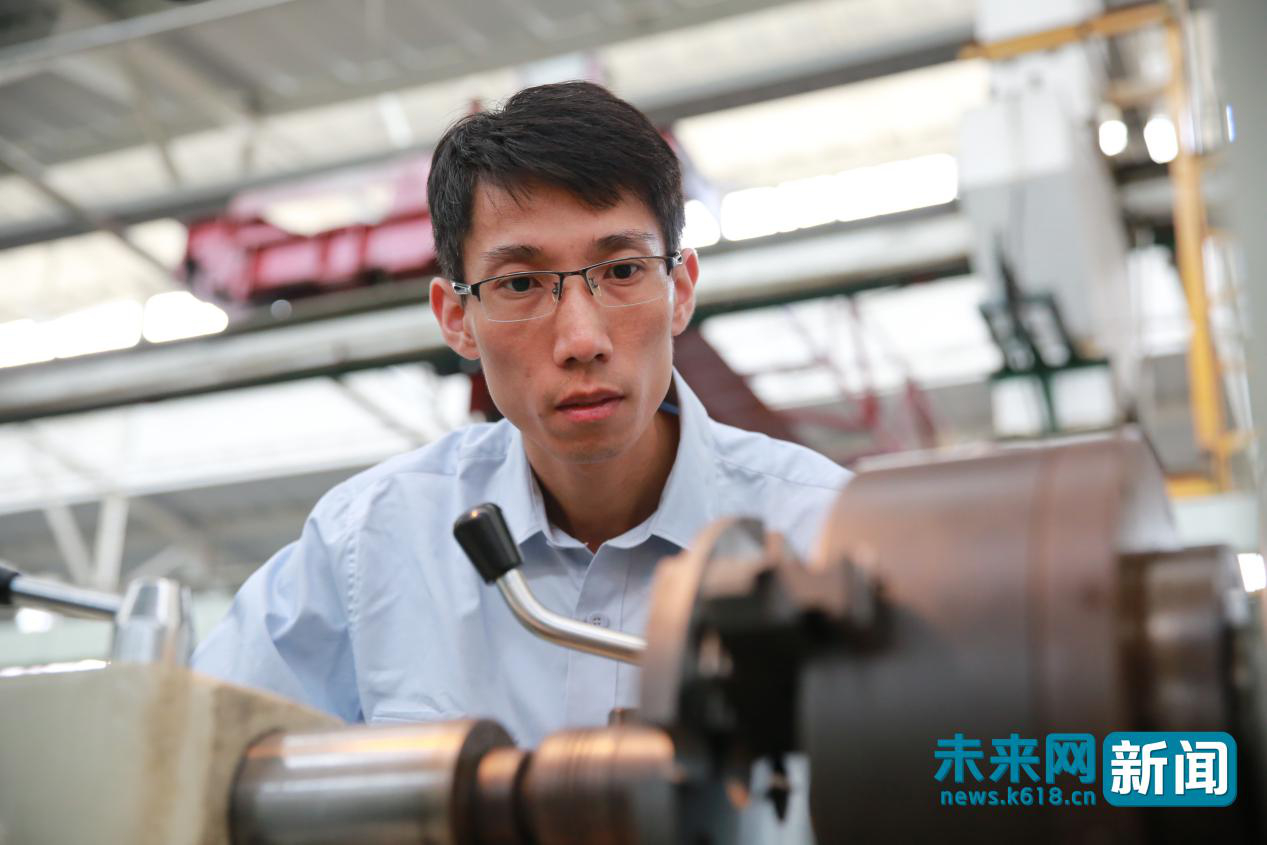
[Practitioner of Chinese Dream] "From industrial workers to great country craftsmen" Hong Jiaguang: the guardian of the heart of the plane

  Beijing, May 8 (Reporter Xie Qing) Future Network (www.k618.cn Central News Website) Among all parts, the engine is the heart of the plane. Among nearly a thousand engine blades, it is crucial to master the precision grinding technology of blades.

  As a first-line industrial worker, Hong Jiaguang, the chief technician of China Hangfa Shenyang Liming Aeroengine Co., Ltd., led the team to overcome difficulties and finally mastered the core technology, and won the second prize of National Science and Technology Progress Award.

  Hong Jiaguang won the National May 1 Labor Medal on the International Labor Day just past. He said to himself, "This is a different Labor Day", which is the highest honor awarded to industrial workers and feels both glorious and great. "

  This year’s "May 1 International Labor Day", Hong Jiaguang came to Beijing to participate in the 2018 celebration of the "May 1 International Labor Day" and the "Being a Good Master-Building a New Era" Labor and Skills Competition Promotion Conference, and won the National May 1 Labor Medal and made a speech. At the same time, as an award guest, he participated in the award ceremony of "The Most Beautiful Workers in China".

  After attending two important activities, Hong Jiaguang told reporters that he would immediately return to work overtime. Since joining the work in 1998, Hong Jiaguang has become the chief skill expert of China Hangfa Group, enjoying special allowance from the State Council, and has 6 national inventions and new utility patents.

  Under the responsibility of "Made in China 2025", Hong Jiaguang took the lead in challenging the "crown jewel" on aero-engines.

  The so-called "jewel in the crown" refers to aero-engines. For a long time, the precision grinding technology of engine blade roller has always been in a bottleneck state, so how to break through the manufacturing technology of high-precision ultra-thick diamond roller for blade grinding is particularly critical.

  In this regard, Hong Jiaguang took the initiative to lead the team to overcome difficulties. After more than five years and more than 1,500 attempts, Hong Jiaguang’s team developed a mature precision grinding technology for aero-engine blade rollers, laying a solid foundation for numerical control manufacturing and mass production.

  The breakthrough of this technology made Hong Jiaguang win the second prize of national scientific and technological progress. As a front-line worker, it is not easy to win this award. Hong Jiaguang said that due to the limitation of knowledge accumulation, he should make special efforts to study technological innovation.

  On the first-line production line, what defects will be encountered in the actual production of products, Hong Jiaguang should record them at the first time. Then, we need to concentrate on our work, overcome the theoretical weakness and research difficulties, and continue to experiment, so as to gradually make up for our shortcomings.

  Using a lot of spare time in study, Hong Jiaguang often didn’t go to bed until midnight, just to constantly learn and supplement his professional knowledge. He taught himself the aerodynamics of the engine, stepped into the hall of professional knowledge from the layman, and consulted experts and scholars to constantly overcome difficulties.

  Just when receiving the second prize of National Science and Technology Progress Award, some experts were surprised that Hong Jiaguang was a first-line industrial worker. In this regard, Hong Jiaguang said that in the work, we must learn more and learn from each other’s strengths. Without continuous learning, we can discover our own shortcomings and the strengths of others, find out the shortcomings in technology and skills, and learn excellent skills. "I think only by doing this can I grow from an ordinary worker to a real great country craftsman."

  When his technology and skills were improved to a certain extent, Hong Jiaguang found that he would notice many areas that needed improvement in his work. "Explore more and pay more attention to some areas that need improvement, try small inventions, innovations and transformations, and better improve your production efficiency and quality."

  In this way, Hong Jiaguang mentioned that he can also gradually cultivate and build his own ability and interest in innovation and creation.

  The new era needs the strength of the team, which makes the workers who are used to working hard try to change. In this regard, Hong Jiaguang is leading the technical team to cooperate with each other and overcome difficulties in unity.

  After nearly 30 years’ experience in the first-line industry, Hong Jiaguang went from an entry-level lathe worker to a technical expert, and then to a great country craftsman. Seeing the growing number of young industrial workers, Hong Jiaguang also said, "I hope that young people will study more, learn technology seriously, do their work in a down-to-earth manner, and at the same time constantly cultivate their sense of innovation, and combine technology and methods to get exercise and promotion in their posts."

  Integrating personal ideals into the Chinese dream, Hong Jiaguang deeply stated that young people should be innovative and energetic, and contribute and work hard for the Chinese dream. "Accumulate from the contribution and development of Didi, make yourself grow and contribute to the strength of young people. Guard the heart of the plane and let our Hawk fly higher. "

[Experts say] Say the antidote: Liuwei Dihuang Pill is not used properly or should be used with caution for those who have a cold.

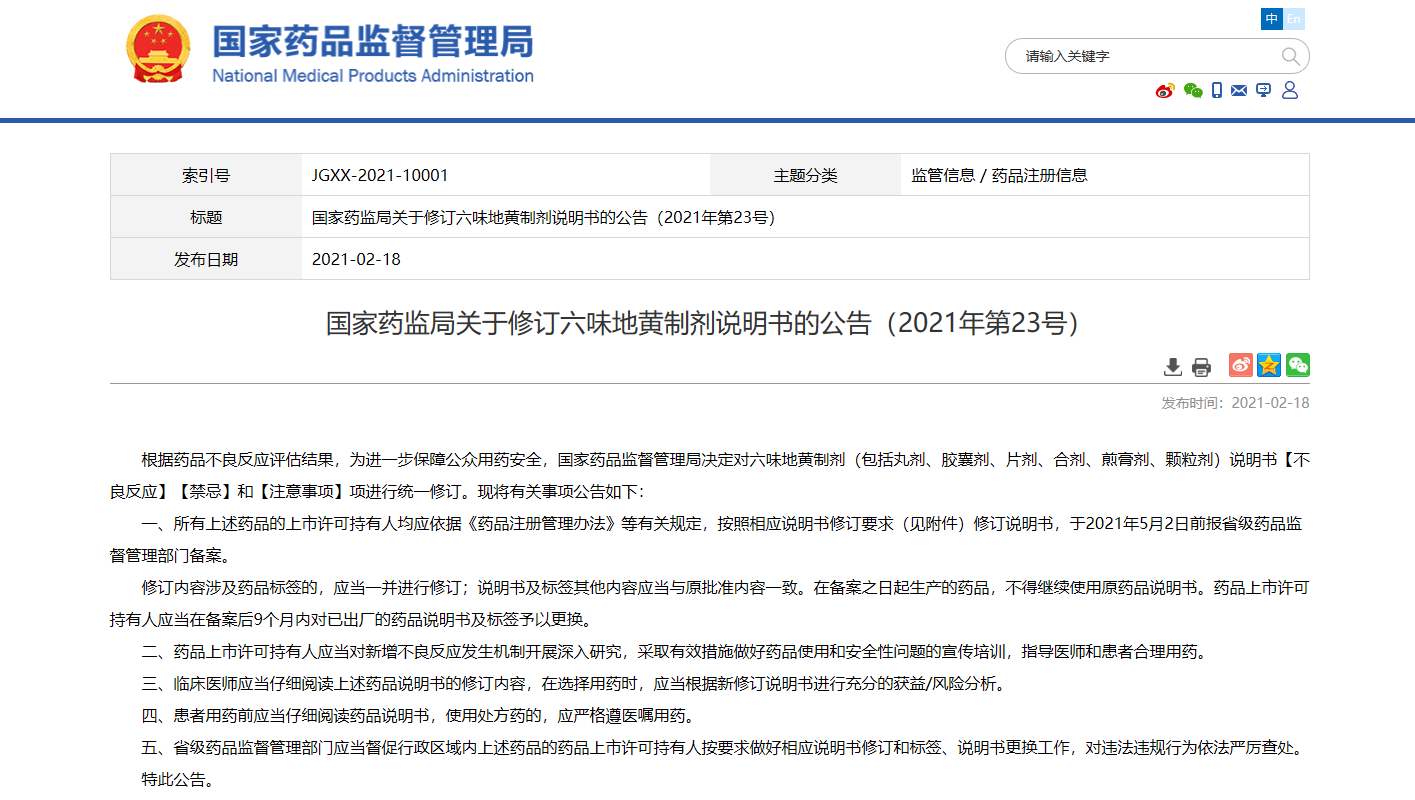
  Cctv news(Reporter Zhang Ke): On February 18th, National Medical Products Administration issued an announcement in official website to revise the instructions of Liuwei Dihuang preparation. The announcement pointed out that according to the response evaluation results of adverse drug reactions, in order to further ensure the public’s drug safety, the instructions [Adverse Reactions] [Taboos] and [Precautions] of Liuwei Dihuang preparations (including pills, capsules, tablets, mixtures, decoctions and granules) were uniformly revised.

  The instructions of Liuwei Dihuang preparation are revised for prescription drugs and over-the-counter drugs respectively. It is pointed out in the revision requirements of OTC drug instructions that [adverse reactions] should include: reports of adverse reactions such as diarrhea, abdominal pain, abdominal distension, nausea, vomiting, gastrointestinal discomfort, loss of appetite, constipation, itching, rash, headache, palpitation and allergy. In the modification requirements of items [Taboo] and [Precautions], the drug safety of allergic people is mentioned.

  As one of the classic prescriptions of traditional Chinese medicine, Liuwei Dihuang Pill is well known to the public for its effects of nourishing yin and tonifying kidney, and was once called "essential tonic for families". How to eat this kind of "tonic", can it be eaten for a long time, and which people should not take it? CCTV reporter interviewed Yang Liping, the chief pharmacist of Beijing Hospital, to answer your questions.

  The origin of "tonic medicine"

  Liuwei Dihuang Pill is composed of six kinds of traditional Chinese medicines, namely Radix Rehmanniae Preparata, Fructus Evodiae, Cortex Moutan, Rhizoma Dioscoreae, Poria and Alismatis Rhizoma. It is characterized by "three tonics and three diarrhea" and mainly tonics. Yang Liping explained that the "three tonics" consist of Radix Rehmanniae Preparata, Fructus Corni and Rhizoma Dioscoreae to tonify liver yin, spleen yin and kidney yin respectively; "Three diarrhea" consists of three herbs, namely Cortex Moutan, Poria and Alisma orientalis, to purge liver heat, spleen dampness and kidney dampness. Among them, the dosage of tonic is heavier than laxative, so tonic is the main one; Liver, spleen and kidney are supplemented with three yin, and the dosage of Radix Rehmanniae Preparata for tonifying kidney yin is the sum of Cornus officinalis and Dioscorea opposita, so tonifying kidney yin is the main method. Therefore, Liuwei Dihuang Pill mainly has the function of nourishing kidney yin and is suitable for patients with kidney yin deficiency.

  The prescription of Liuwei Dihuang Pill was formed by Qian Yi in Song Dynasty after subtracting two kinds of drugs from Shenqi Pill written by Zhang Zhongjing, a medical sage in the Eastern Han Dynasty, which changed the original medicine for warming kidney-yang into a medicine for nourishing kidney-yin. Its original intention is to treat children with congenital deficiency and stunted five-delay syndrome, that is, "the kidney is afraid of losing its voice, the mouth is incompatible, the spirit is insufficient, the eyes are white, and the face is white". Since then, Liuwei Dihuang Pill has gradually become the ancestor of nourishing yin and tonifying kidney. Modern physicians mainly use Liuwei Dihuang Pill to treat dizziness, tinnitus, soreness of waist and knees, hot flashes due to bone steaming, night sweats and nocturnal emission, thirst-quenching, tinnitus and deafness, hand and foot fever, dry mouth and throat, tooth shaking, heel pain, dribbling urine, and improper opening of the mouth in children.

  Improper use or "the more you make up, the more empty you become"

  Yang Liping said that it is unnecessary for healthy people to take Liuwei Dihuang Pill if they have no obvious symptoms of kidney yin deficiency, and they should not take it for a long time.

  For people with obvious symptoms of kidney-yang deficiency, symptoms such as soreness and coldness of waist and knees, preference for warmth and fear of cold have already appeared, and it is not recommended to take Liuwei Dihuang Pill to avoid aggravating the condition. Many people regard Liuwei Dihuang Pill as a "secret recipe for tonifying kidney" or use it for daily health care for a long time, which is easy to "replenish more and more deficiency", some symptoms are getting worse and worse, and even gastrointestinal problems may occur.

  Experts pointed out that if you want to know whether you can use Liuwei Dihuang Pills, you must first judge whether you are yin deficiency. You can first look at your tongue, such as red tongue and frequent dry mouth. See if there are often symptoms such as hot flashes, night sweats, insomnia, dizziness, and soreness of the waist and knees; Conditional can see the pulse, whether the pulse is thin and fast. With these signs and symptoms of kidney yin deficiency, Liuwei Dihuang Pill can be used. Even if it is suitable for eating, you should quit smoking and drinking and eat less irritating food.

  Liuwei Dihuang Pill should be used with caution in patients with cold.

  Compared with the previous instructions of Liuwei Dihuang Pill, the description of drug use for patients with cold has been changed from "It is not advisable to take cold medicine during taking medicine" in the original [contraindications] to "Use it with caution for patients with cold" in the [Precautions]. Yang Liping said that according to the theory of traditional Chinese medicine, Liuwei Dihuang preparation is too greasy and easy to retain exogenous pathogens, which violates the cold treatment principle of relieving exterior symptoms and dispelling pathogens. The key to cold treatment lies in opening pores, sweating and dissipating heat. However, the function of Liuwei Dihuang preparation is mainly to "harvest", which runs counter to the idea and direction of cold treatment in traditional Chinese medicine.

  Therefore, people should stop taking Liuwei Dihuang Pill even if they have kidney yin deficiency during the cold stage, and then use it after the symptoms of exogenous diseases are relieved.

  Who else should not take Liuwei Dihuang Pills? Yang Liping said that Chinese medicine treatment needs syndrome differentiation, and "syndrome differentiation first distinguishes yin and yang". For example, kidney deficiency syndrome can be divided into kidney yin deficiency and kidney yang deficiency. People with kidney-yin deficiency can show symptoms of lack of body fluids, such as dry mouth and mouth, dry skin, soreness of waist and knees, emaciation, hot flashes, red cheekbones, tinnitus, night sweats, red tongue with little coating, and weak and rapid pulse. People with kidney-yang deficiency are afraid of cold, and their hands and feet are cold; Frequent urination, long and clear urine, thin stool, pale and tender tongue, and slow pulse. Symptoms are completely different from kidney yin deficiency, so people with kidney yang deficiency should not take Liuwei Dihuang pills. Because Liuwei Dihuang Pill not only does not tonify kidney-yang, but also consumes kidney-yang, the symptoms of kidney-yang deficiency in patients will be aggravated after use.

  In addition, people with kidney yin deficiency but poor spleen and stomach function have symptoms such as weakness of spleen and stomach, indigestion, chest tightness, anorexia, abdominal distension in loose stool, thick tongue coating, and excessive phlegm and dampness, and should not take it. Because the rehmannia glutinosa and Cornus officinalis in Liuwei Dihuang Pill are too greasy, it will hinder the digestive function after taking it, and may also aggravate the symptoms of loose stool, so it is not recommended to take it.

  Also, healthy people don’t need to take it. Although Liuwei Dihuang Pill has the function of tonifying kidney, healthy people who have no obvious symptoms of kidney yin deficiency may not have any side effects in the short term, but long-term use may cause discomfort such as fullness, loose stool and loss of appetite.

  Finally, note that Liuwei Dihuang Pill cannot be taken with rifampicin. Because Cornus officinalis contains a lot of organic acids, it will increase the toxicity of rifampicin to the kidney. (Proofread by Chen Yanhui)

South Korea protested that Japanese textbooks "distorted history" and urged Japan to "show sincerity"

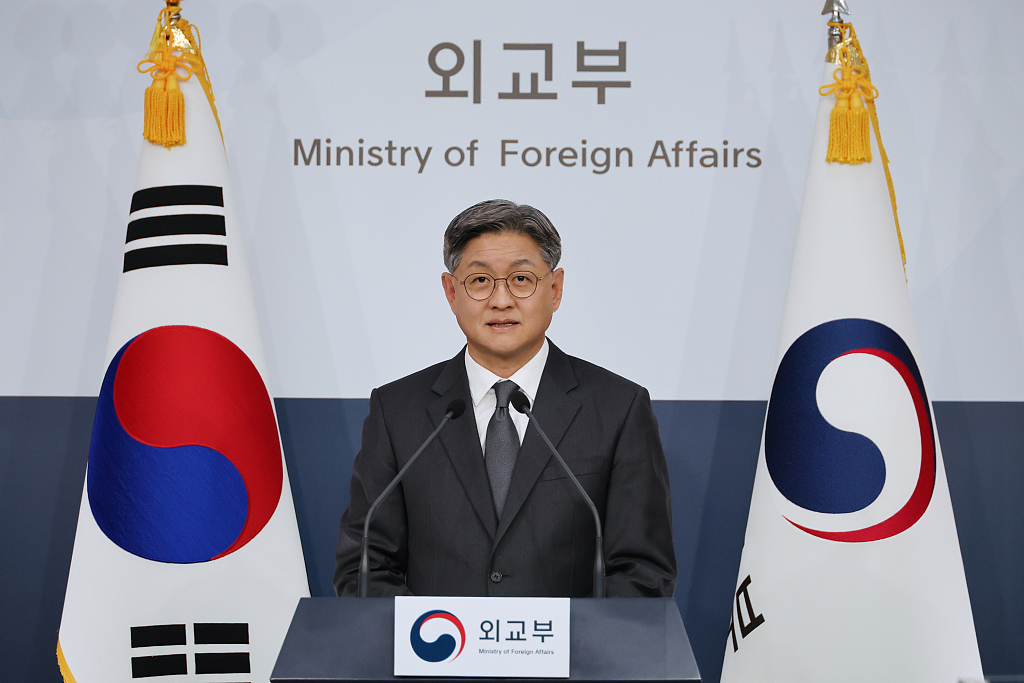
  On March 28th, 2023, local time in Seoul, South Korea, Ren Zhuyuan, spokesman of the Korean Foreign Ministry, answered questions about the examination and approval results of Japanese government primary school textbooks. Vision china diagram

  On March 28th, local time, the South Korean Foreign Ministry summoned the Japanese general minister to lodge a solemn protest against the Japanese government’s approval of textbooks containing "improper claims". The South Korean side pointed out that these textbooks "distorted history" and played down the crimes committed during the Japanese aggression. At the same time, they advocated Japan’s sovereignty over Dokdo (called Zhudao in Japan). The South Korean side deeply regretted it and asked Japan to correct it.

  Japan’s Ministry of Education, Culture, Sports, Science and Technology announced earlier that day that 149 primary school textbooks had been approved and will be used in the 2024 school year.

  After analyzing the sample books, Yonhap News Agency found that the Japanese side played down what it did during its colonial rule of the Korean Peninsula from 1910 to 1945 in the new textbooks. For example, when describing Koreans who were forcibly recruited into the army, the new textbook changed to the word "joining the army", which is consistent with the Japanese claim that these people "voluntarily" joined the army.

  In another textbook, Japan called Zhudao its inherent territory, which was illegally occupied by South Korea at this stage.

  This island is located in the eastern waters of the Korean peninsula, covering an area of about 0.18 square kilometers. South Korea, North Korea and Japan all claim sovereignty over it. At present, the island is actually controlled by South Korea.

  In addition, the South Korean side also pointed out that the new Japanese textbooks downplayed the relevant expressions of forced labor during World War II.

  On the 28th, Zhao Xiandong, the first official of the South Korean Foreign Ministry, summoned Naoki Kumatani, the Japanese ambassador to South Korea, to protest against the Japanese practice. According to South Korean media, due to the temporary return of Japanese ambassador to South Korea Xiang Xing Koichi, the South Korean side summoned Naoki Kumatani as the temporary charge d ‘affaires instead. On-site photos show that Naoki Kumatani walked into the South Korean Foreign Ministry building in Seoul with a serious expression.

  South Korean Foreign Ministry spokeswoman Lin Zhu Yong said in a statement that Japan’s claim to have sovereignty over Dokdo is "unreasonable" and unacceptable. South Korea deeply regrets and urges Japan to show sincerity and correct the problem.

  An official of the South Korean Foreign Ministry said that although relations between South Korea and Japan have improved recently, territorial disputes, textbooks and "comfort women" between the two countries have not been resolved, and this has not changed. The ROK will continue to communicate with the Japanese side through diplomatic channels and demand that the textbook issue be corrected.

  In response to the request of the ROK, the Japanese side has not responded.

  This is not the first time that a "textbook storm" has occurred in Korea and Japan. In April, 2021, the Ministry of Education, Culture, Sports, Science and Technology of Japan approved the application of five publishing houses to modify or delete the related expressions of "comfort women" in textbooks, and agreed to change "comfort women with the army" into "comfort women" and "forced removal" into "forced mobilization" or "expropriation" in an attempt to wash away the Japanese war crimes. The South Korean Foreign Ministry deeply regrets this and urges Japan to show its sincerity in solving historical problems between the two countries.

Reform of the examination and approval system for drugs and medical devices: people’s health needs to be reviewed and reformed without stopping.

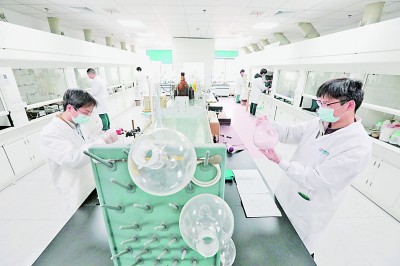
  Medical technicians in Cihu High-tech Zone, Ma ‘anshan City, Anhui Province are developing COVID-19 pharmaceutical core intermediates. Wang Wensheng photo/bright picture

  Workers of a pharmaceutical company in Shijiazhuang, Hebei Province work in the pharmaceutical production workshop. Xinhua news agency

    [Endeavour, New Journey, New Era, Great Change]

    Since the reform of evaluation in 2015, National Medical Products Administration has approved 95 innovative drugs and approved 155 innovative medical devices to be listed.

    Five Covid-19 vaccines were approved for conditional marketing, two Covid-19 vaccines were approved for emergency use, and 34 vaccine varieties with five technical routes entered clinical trials.

    106 novel coronavirus detection reagents were approved, including 38 nucleic acid detection reagents, 37 antibody detection reagents and 31 antigen detection reagents.

    "The quality of registration application materials is not high, and it needs to be supplemented and improved many times during the review process, which seriously affects the efficiency of review and approval; Repeated construction and application of generic drugs, vicious competition in the market, and the quality of some generic drugs is far from the international advanced level; The listing approval time of new drugs urgently needed in clinic is too long, and drug research and development institutions and researchers cannot apply for drug registration, which affects the enthusiasm of drug innovation. "

    This is a frank and incisive analysis of drugs and medical devices related to people’s lives and health in a the State Council document seven years ago. This analysis resonates with the confusion of the people: Why are some drugs "slower" to market in China than in foreign countries? Why do some people go overseas to purchase medicines?

    The full name of the the State Council document is Opinions on Reforming the Examination and Approval System of Medicines and Medical Devices, which was issued in August 2015, thus kicking off the reform of the examination and approval system of medicines and medical devices in China (hereinafter referred to as the examination and approval reform). Especially since its establishment in 2018, National Medical Products Administration has continuously deepened the reform of evaluation, encouraged the innovation of drugs and medical devices, improved the quality of drugs and medical devices, increased effective supply, and effectively guaranteed people’s health and life safety.

1. The backlog of registration applications has been solved.

    The quality of drugs and medical devices is related to everyone’s health and safety, which is the original intention of implementing the review and approval system. However, if the evaluation efficiency is too low, it will lead to the lag of product listing time, which will also affect people’s health and safety. After all, disease waits for no one.

    Take drugs as an example. In the past, the backlog of drug registration applications in China was serious, with a maximum of 22,000 applications. Many drugs have to wait several years for approval after they apply for registration. Pharmaceutical companies are helpless and patients are miserable.

    How to speed up the review? This is the first problem to be solved in the reform. The drug regulatory authorities, seeing the move, launched a series of powerful measures — —

    Full implementation of the implied license system for 60-day expiration of drug clinical trials, which is one-third shorter than the 90-day review time limit before the reform.

    We will establish and improve the procedures for accelerating the listing and registration of drugs, optimize the review and approval process, and give priority to the clinical shortage of drugs, anticancer drugs, drugs for children, drugs for rare diseases, drugs for major infectious diseases, vaccines urgently needed for disease prevention and control, and innovative high-end medical devices, thus greatly shortening the review time limit.

    Drugs that show efficacy in early clinical trials can be conditionally approved for marketing and used in urgent need patients who can’t wait any longer.

    … … … …

    As a drug technical evaluation institution, National Medical Products Administration Drug Evaluation Center has also strengthened the management of evaluation items, refined the evaluation sequence, strengthened the management of time limit, set up special groups, increased reviewers, revised the evaluation points, standardized technical requirements, etc., and the evaluation standards, quality and efficiency of drugs have been greatly improved.

    "From the peak in 2015, there was a backlog of more than 20,000 applications. By 2018, more than 90% of them were reviewed within the time limit, and China’s drug review and approval entered the fast lane." The relevant person in charge of the Department of Drug Registration of National Medical Products Administration told the reporter that, for example, in terms of new drugs urgently needed overseas, by the end of 2021, 51 new drugs urgently needed overseas were approved for listing, among which the review of rare diseases drugs was completed within 3 months, and the review of other drugs urgently needed clinically was completed within 6 months, which greatly shortened the time for listing new drugs urgently needed overseas in China.

2. The innovation enthusiasm of the pharmaceutical industry has been stimulated.

    The backlog of applications has been solved, and the speed of drug listing has been accelerated. However, in order to meet the people’s drug demand, new drugs need to be put on the market continuously. Encouraging drug innovation is the core of evaluation reform.

    In 2015, the Opinions on Reforming the Examination and Approval System of Drugs and Medical Devices raised the standards for drug approval, and changed the new drugs from "drugs that were not marketed in China" to "drugs that were not marketed in China or abroad", that is, "global new". Two years later, the General Offices of the General Office of the Central Committee of the CPC and the State Council issued the Opinions on Deepening the Reform of Review and Approval System and Encouraging the Innovation of Pharmaceutical and Medical Devices, and made special arrangements for the innovation of pharmaceutical and medical devices.

    The reporter learned that in order to encourage the research and development of innovative drugs and medical devices, National Medical Products Administration not only gave support in priority evaluation, but also formulated a series of technical guiding principles, such as "Technical Requirements for Application for Pharmaceutical Common Problems in Phase I Clinical Trials of Innovative Chemicals", to guide the application for research and development of innovative products. Reviewers will also take the initiative to communicate with R&D producers in key review links such as pre-clinical, clinical and pre-listing, so as to avoid detours.

    "The review reform encourages clinical value-oriented drug innovation, optimizes the review and approval procedures for innovative drugs, and accelerates the review of innovative drugs that are urgently needed in clinic, which greatly stimulates the research and development vitality of pharmaceutical companies." The relevant person in charge of Renfu Pharmaceutical Group Co., Ltd. told reporters that in recent years, a number of new drugs have been approved for listing in this enterprise, and new breakthroughs have been achieved in innovation capability.

    Among many reform measures, the system of drug marketing license holders deserves attention. Previously, only pharmaceutical manufacturers could apply for drug registration. In order to register drugs, researchers and research institutions must first invest and build factories themselves. This management system of product registration and production license is not conducive to drug innovation. In 2015, China launched a pilot system of drug marketing license holders in 10 provinces and cities, and drug research and development institutions and researchers can apply for registered drugs. Expert analysis pointed out that this move reduced the capital investment and time cost of drug developers, and new drugs could be listed three to five years in advance. In 2019, the drug marketing license holder system was written into the newly revised drug administration law and was fully implemented nationwide.

    According to National Medical Products Administration, in recent years, China has made great progress in the development of innovative drugs. From 2018 to 2021, the number of innovative drugs approved for marketing increased year by year, with 11, 12, 20 and 45, respectively, including Covid-19 vaccines and clinically urgent therapeutic drugs in the fields of tumors, immune system diseases and rare diseases. The pace of medical device innovation is also accelerating. In 2021, 35 innovative medical devices were approved for listing, which is the largest number of innovative products approved in recent years.

3. Consistency evaluation improves the efficacy of generic drugs.

    In recent years, many drugs that were originally expensive began to reduce their prices. Careful observation shows that there is a "hero" behind the decline in drug prices — — Generic drugs.

    Innovative drugs provide new options for treating diseases and saving lives, but for the vast majority of patients, generic drugs are their life. According to National Medical Products Administration, China’s modern pharmaceutical industry started late, and the production of drugs is mainly imitation. More than 95% of the chemicals that have been approved for marketing are generic drugs.

    Generic drugs are imitations of the original drug after the patent protection period expires, and the price is much lower than that of the original drug. In the past, China’s generic drug evaluation and approval standards were not high, and there was a lack of high-quality generic drugs, and the curative effect was very different from that of the original drug.

    Improving the quality and efficacy of generic drugs is an important goal of evaluation reform, and the solution is the consistency evaluation of generic drug quality and efficacy — — For generic drugs that have been approved for marketing, the evaluation should be carried out according to the principle of consistency with the quality and efficacy of the original drug. The core is that generic drugs should reach the level consistent with the original drug in quality and efficacy, and can replace the original drug in clinic.

    "There are several key issues in carrying out consistency evaluation, one is the selection and determination of reference preparations, the other is the determination of technical standards, and the third is to strictly follow the procedures." According to the person in charge of National Medical Products Administration, the Bureau ensured the smooth development of generic drug conformity evaluation by improving the evaluation system, strictly evaluating standards, strengthening service guidance and optimizing the workflow. At present, 4677 specifications of generic reference preparations have been published, and 2044 specifications and 437 varieties have been applied for through consistency evaluation.

    Consistency evaluation puts generic drugs on the right track, and ultimately benefits the people. Since the pilot of centralized drug procurement and use organized by the state was launched nationwide in 2019, a number of domestic generic drugs won the bid. Medical insurance, health insurance and other departments have organized medical institutions to carry out research on 14 representative generic drugs that won the bid, and confirmed that these 14 generic drugs that passed the consistency evaluation are clinically equivalent to the original drugs. Generic drugs with the same efficacy as the original drug are not only cheaper, but also further reduce the price of the original drug under competitive pressure, greatly reducing the burden of patients.

4, emergency review and approval for epidemic prevention and control to provide a strong guarantee.

    4 days, which is the time for China to complete the review and approval of the first Covid-19 nucleic acid detection reagent and sequencing reagent in the world.

    On January 20, 2020, National Medical Products Administration Instrument Center started the emergency work overnight, and the reviewers stayed up all night to connect with the enterprises one by one, and the review and research and development were carried out simultaneously. On January 26th, the first batch of four in vitro diagnostic reagent products were approved for marketing, which provided an effective detection method for the first line of anti-epidemic.

    The outbreak of epidemic situation in COVID-19 challenges the evaluation reform. Xu Jinghe, deputy director of National Medical Products Administration, said at the Boao Forum for Asia in 2021 that the role of drug supervision departments in epidemic prevention and control has changed, from reviewers to instructors, working with enterprises to speed up product listing.

    It is understood that National Medical Products Administration made every effort to carry out emergency review and approval during the epidemic. Five Covid-19 vaccines have been approved for conditional marketing, two Covid-19 vaccines have been approved for emergency use, and 34 vaccine varieties from five technical routes have entered clinical trials. Organized the formulation of three technical guidelines for research and development of therapeutic drugs in Covid-19, approved 58 applications for clinical trials of therapeutic drugs in Covid-19, and approved the registration and listing of Qingfei Detoxification Granules, Huashi Detoxification Granules and Xuanfei Detoxification Granules. 106 novel coronavirus detection reagents were approved to effectively meet the needs of epidemic prevention and control.

    The epidemic is not over yet, and the emergency review and approval is still going on. As long as people’s health needs it, the evaluation reform will not stop. The drug supervision departments and reviewers have been speeding up on the road of realizing healthy China, so as to run out of acceleration for people’s health.

    (Reporter Chen Haibo)

National Development and Reform Commission (NDRC): The installed capacity of power generation in China has grown steadily, and the coal storage of unified dispatching power plants has reached a record

Cctv newsOn June 16th, at the press conference of the National Development and Reform Commission in June, some media asked: This year, the demand for electricity in China has grown steadily and rapidly, especially in the recent summer when the peak of electricity consumption is coming. What is the preparation for the peak of electricity in summer? What measures will the National Development and Reform Commission take to ensure the smooth operation of electricity this summer?

In this regard, Meng Wei, spokesperson of the National Development and Reform Commission, said that since the beginning of this year, the National Development and Reform Commission has focused on the safe and stable supply of energy and electricity, and continued to strengthen the construction of an energy production, supply, storage and sales system. Judging from the current situation, the installed capacity of power generation in China has continued to grow steadily, and the coal storage of power plants has reached a record high of 187 million tons, which has a solid foundation for ensuring power supply during the peak summer this year.

On June 14th, the National Development and Reform Commission held a video conference to specially deploy the national energy peak summer work in 2023. In the next step, we will give full play to the role of the inter-ministerial coordination mechanism of coal, electricity, oil and gas transportation support, compact the main responsibility of local and enterprise energy supply, and focus on five aspects.

First, promote the construction of various power projects. Adhere to the "national chess game", systematically plan and promote the construction of various power sources such as supporting power sources and new energy sources, strengthen the construction of power grids, and do a good job of connecting power to the grid to ensure that all inputs should be made before the peak summer this year.

The second is to strengthen fuel supply security. We will continue to organize the production and supply of coal and natural gas, and urge all localities and power generation enterprises to keep the coal stored in power plants at a high level, so as to ensure the high calorific value coal, gas, electricity and hydropower energy storage required for peak power generation.

The third is to promote all kinds of generator sets to be fully developed. Ensure that the output level of thermal power during peak hours is better than normal, optimize the operation of reservoir groups, improve the peak power generation capacity of hydropower, and promote the multi-use of wind power, solar power and nuclear power.

Fourth, do a good job in optimal dispatching of national power grid operation. Give full play to the advantages of large power grid resource allocation, strengthen national overall planning, strengthen cross-network mutual assistance, make full use of inter-provincial and inter-regional transmission channels, and do a good job in power supply guarantee in key areas and important time periods.

Fifth, do a good job in power demand side management. Adhere to both open source and throttling, guide local governments to better play the role of economic means to adjust, actively guide users to independently optimize and adjust power demand, promote the balance between power supply and demand, and effectively ensure the safety and stability of people’s livelihood and key power consumption.

Ministry of Water Resources: Autumn flood may occur in some rivers in the Yangtze and Yellow River basins.

  Xinhua News Agency, Beijing, August 30th-The Ministry of Water Resources issued a circular on the 30th, predicting that autumn rains in West China are obvious in the near future and autumn, and autumn floods may occur in Jialing River, Minjiang River, Tuojiang River, Hanjiang River and Weihe River in the Yangtze River basin.

  At the same time, the circular shows that regional storms and floods may occur in coastal areas of South China, and autumn droughts may occur in central Jiangnan and eastern South China. Flood and drought disaster prevention is facing severe challenges.

  Li Guoying, deputy commander of the National Defense General and Minister of Water Resources, presided over a meeting on the same day to analyze and judge the current and autumn flood and drought situation and arrange key work for flood and drought disaster prevention.

  Li Guoying demanded that we should do a good job in autumn flood prevention in key river basins, and conduct research and analysis on reservoir by reservoir. While scientifically intercepting floods and ensuring flood control safety, we should seize the favorable opportunity at the end of flood season to reserve water resources and create conditions for ensuring the safety of urban and rural water supply in autumn and winter this year and even next spring.

  At the same time, Li Guoying stressed that it is necessary to do a good job in drought prevention in the Pearl River and Hanjiang River basins in advance, effectively carry out the storage and dispatching of key reservoirs in the upper reaches of the Xijiang River, especially the Datengxia Hub in the main stream of the Xijiang River, and provide water resources guarantee for ensuring the water supply safety in cities such as Macao and Zhuhai.

Jiangsu People’s Medical Institute introduced three academicians a week, and many 3A hospitals in Nanjing built academician workstations.

  At present, the battle for talents in various places is in full swing, and top talents are even more "fragrant". Hospitals are no exception. Last week, the provincial people’s doctor introduced three academicians a week, which attracted the industry’s surprise. During the interview, the reporter learned that the introduction of flexible talents has been surging in Nanjing. Many 3A hospitals have introduced academician workstations, and the First Hospital of Nanjing has invited top national cardiac surgeons to perform 150 operations in three months …

  Love Nanjing Nanjing Morning Post reporter Qi Zaibing Sun Sujing

  Save people’s doctors and introduce three academicians a week

  From June 23rd to June 27th, the third batch of flexible high-end talents from jiangsu province hospital signed a contract in this hospital. Academician Ning Guang of Ruijin Hospital affiliated to Shanghai Jiaotong University School of Medicine, Academician Yu Jinming of Shandong Cancer Hospital, Academician Ge Junbo of Zhongshan Hospital affiliated to Fudan University, Professor Qin Shukui of Bayi Hospital of the People’s Liberation Army, and Professor Li Jin of Oriental Hospital affiliated to Tongji University signed an employment agreement with the hospital, officially becoming a special medical expert in the hospital and signing a contract to become distinguished professor of South Medical University; And the "Academician Workstation" led by two academicians, Yu Jinming and Ge Junbo, also settled in the hospital. So far, the hospital has introduced 12 domestic and foreign high-end medical talents in three batches to settle down flexibly in the province, which has become a new attempt for the hospital to introduce top talents.

  It is understood that in the past two years, The hospital has signed talent introduction agreements with many experts, such as Professor Jiang Zefei from the 307th Hospital of the Chinese People’s Liberation Army, Professor Ji Jiafu from Peking University Cancer Hospital, Professor Zhou Pinghong from Zhongshan Hospital affiliated to Fudan University, Professor Huo Yong from the First Hospital of Peking University, Professor Xuanyuan Qingshi, Director of HiPep Institute in Japan, Professor Liang Hanguang, Director of Surgery of Seoul National University, and Academician Li Zhaoshen, Director of Gastroenterology Department of Changhai Hospital affiliated to the Second Military Medical University. Together with the five distinguished professor introduced this time, 12 top talents have settled in the hospital, involving oncology.

  "First-class centers call for first-class talents, and first-class talents look forward to a first-class platform. I believe that signing experts can also play their greater value in jiangsu province hospital, a high-level platform." Dean Tang Jinhai of jiangsu province hospital said that the hospital attaches great importance to internationalization, intelligence and talent superiority, and the introduction of flexible talents will quickly help the hospital master advanced medical technology, enhance its service capacity and benefit the people.

  Three academicians of Gulou Hospital have been quietly "working" for two years.

  It is understood that in the introduction of academicians, Nanjing Gulou Hospital is also a big deal. As early as two years ago, Gulou Hospital took the lead in introducing the academician workstation model, and now three academicians have quietly "worked" for two years.

  Dai Yutian, director of the Science and Technology Department of Nanjing Gulou Hospital, introduced that in 2016, the hospital signed contracts with academicians Ning Guang, Liu Zhihong and Qiu Guixing respectively to establish academician workstations. Among them, Academician Ning Guang, a famous endocrinologist from Ruijin Hospital affiliated to Shanghai Jiaotong University School of Medicine, Academician Liu Zhihong from Nanjing General Hospital in urology and Academician Qiu Guixing from Peking Union Medical College Hospital in orthopedics were introduced. Several experts come to Gulou Hospital regularly or send people to listen to the department development and clinical research reports, give clinical and academic guidance, train relevant technical innovation talents, and put forward suggestions and opinions, so as to "find the difference by benchmarking". Dai Yutian introduced that the establishment of the academician workstation has trained talents, improved the clinical and scientific research level of the hospital, and enabled the people to enjoy the quality services of top medical experts at their doorstep.

  Dai Yutian introduced that under the leadership of the Nanjing Municipal Health Planning Commission, in the next step, Gulou Hospital will continue to build new academician workstations to further enhance the hospital’s talent strength and clinical research level and better serve patients.

  Dr. Yang from the First Hospital performed 150 operations in three months.

  Also on May 18th this year, a foreign doctor appeared at the awarding ceremony of Jinling Friendship Award of Nanjing Municipal People’s Government in 2018. Professor Mike Carmack, the chief physician of Cardiovascular Surgery in Nanjing First Hospital (American, MD), was awarded the "Jinling Friendship Award" by Nanjing Mayor Lan Shaomin, becoming one of the ten foreign experts who won this honor in the city.

  It is understood that Professor Mike Carmack is a famous expert in cardiovascular surgery in the United States. He has been engaged in clinical work of cardiothoracic surgery in the United States for a long time since 1984. He has a very comprehensive cardiac surgery technology, especially in severe heart bypass surgery, complex heart valve surgery, reoperation, aortic surgery (aneurysm and aortic dissection) and heart transplantation. He is "the fifth doctor in the world who has performed total artificial heart implantation" and enjoys a high reputation in the world. As an expert selected by Jiangsu’s "Hundred Talents Program", Professor Mike Camack officially joined the Cardiovascular Surgery Team of the First Hospital on February 22 this year, and signed a three-year employment agreement to become a full-time foreign doctor in the First Hospital.

  Qin Wei, Ph.D., Cardiovascular Surgery, First Hospital, introduced that Professor Carmack has been fully involved in cardiovascular surgery, undertaking tasks such as expert outpatient service (half a day each week in the headquarters and Hexi Campus), ward rounds, surgical treatment and personnel training. Now, Professor Carmack takes part in the early handover of departments every day, and the handover of departments adopts English communication, which greatly improves the overall English level of departments. Professor Carmack takes part in preoperative discussion every day, making operation plans, watching films with young doctors, participating in clinical decision-making, guiding doctors to operate, etc. In particular, he advocated the concept of rapid postoperative recovery, so that patients can leave the ventilator as soon as possible after surgery, remove the drainage tube and get out of bed as soon as possible, which greatly shortened the hospitalization time.

  As of May 24th, Professor Carmack has participated in 150 operations, and 91 cases of difficult operations have been performed by him, including two cases of heart transplantation, aortic valve replacement combined with ascending aorta replacement combined with heart bypass, and the second operation for patients after heart surgery. In the past three months, there have been three operations every day on average, and no one has died. Such a low mortality rate is also very rare in the United States.

  A number of 3A hospitals introduced academician workstations.

  During the interview, the reporter found that in addition to the Provincial People’s Hospital and the Drum Tower Hospital, a number of top three hospitals in Nanjing constantly "borrowed" from the top technical fields in the country and the world, and invited academicians and Nobel Prize winners to set up workstations.

  Nanjing Zhongda Hospital also cooperated with Sun Yinghao, an academician of China Academy of Engineering and a national academic leader in urology, to set up an "academician workstation". It is understood that in addition to setting up academician workstations in urology, Zhongda Hospital will also strengthen its strength in surgical disciplines such as cardiothoracic surgery and general surgery by setting up academician workstations. According to the strategic plan of Nanjing No.1 Hospital, the hospital will introduce 8 academicians in recent years, involving oncology, cardiovascular, nuclear medicine and other departments. At present, five academicians, including Han Yaling, Chen Zhinan, Zhan Qimin, Hu Shengshou and Zhong Shizhen, are stationed to guide the work.

  Graded diagnosis and treatment, big hospitals urgently need top talents.

  An industry expert said that the "graded diagnosis and treatment" promoted by this round of medical reform has made large and small hospitals more clear about their respective positioning. "Minor illnesses are in the community, and serious illnesses go to the hospital." The top three hospitals are no longer "grasping the eyebrows and beards", but taking on more and more difficult diseases. The requirements for technology are getting higher and higher, so the demand for top medical talents is more urgent. However, the dilemma of long training period and difficult mobility of top doctors also exists objectively. How to win more top doctors for hospitals? Academician workstation has become a feasible mode, which has been paid more and more attention by hospitals and departments.

  By "marriage" with academicians of the two academies, on the one hand, the hospital flexibly introduces high-level talents, participates in the research of international frontier scientific research projects, and improves the ability to treat difficult and complicated diseases; On the other hand, it is undoubtedly a win-win situation for the hospital to learn from academicians and experts and train a group of academic leaders and key talents, so as to rapidly improve the scientific research and clinical strength of the hospital, further strengthen its own strength and benefit more patients.

How to solve the "sixth insurance" problem of social security

  As an important part of China’s multi-level social security system, the long-term care insurance system is called the "sixth insurance" besides the five social insurances of pension, medical care, work injury, unemployment and maternity. With the acceleration of population aging and the increasing number of disabled elderly people, long-term care security has gradually become the focus of society, and the topic of long-term care insurance has also attracted much attention. At the end of June 2016, China organized 15 cities to launch long-term insurance pilots. Now that seven years have passed, what is the situation of exploration in pilot cities? How to face the new normal of population development and let more elderly people enjoy dignified and quality old age? Qingdao, Shandong Province, as one of the earliest cities in China, actively explored and tried first, and embarked on a unique road of long-term insurance reform and innovation.

  At present, China’s population development shows the trend characteristics of declining birthrate, aging and regional population increase and decrease differentiation. In order to actively cope with the aging population, China has established a long-term care insurance system on a pilot basis since 2016, which has covered 49 cities and 145 million people nationwide and achieved initial results.

  It is worth noting that the long-term care insurance system is still in the pilot stage, and its system design, service system, evaluation standard and management process are all being explored. As one of the earliest cities in China, what problems did Qingdao encounter, and what are its problem-solving skills and innovative practices? In this regard, the Economic Daily reporter went deep into the Qingdao Medical and Social Security Bureau, the financial department and the nursing service institutions to investigate.

  Stepped exploration

  Qingdao is a city with a fast growth rate of the elderly population, a large base and a high degree. It faces many problems such as the increase in the number of disabled elderly people and the lack of long-term care for disabled people. Qingdao responded positively and took the lead in exploring the long-term insurance system in 2012.

  "Qingdao more than 10 years ago, due to factors such as the level of financing, many disabled elderly people were hospitalized for a long time, and the hospital was used as a nursing home. Not only is it expensive, it is difficult to accompany, and the cost of care is high. The hospital is even more overwhelmed. " Ji Enqing, director of the treatment and protection department of Qingdao Medical Insurance Bureau, told the reporter that how to break the deadlock of reimbursement after hospitalization and free the disabled elderly from the hospital became an urgent problem to be solved in Qingdao at that time.

  In order to alleviate this increasingly prominent contradiction, Qingdao began to explore a variety of disability protection models that can also enjoy reimbursement for "family beds" and "elderly care". "This has alleviated the care problem of disabled elderly people to some extent. However, in the face of the continuous increase in the number of disabled people, ‘ Family sickbed ’ ‘ Elderly care ’ Some are unable to do so. " Ji Enqing said that they went on to learn from advanced countries and took the lead in developing the long-term medical care insurance system in China in 2012.

  "At that time, the focus was on the medical care of disabled people, mainly providing services such as tube placement, pipeline care, bedsore care and injection for disabled people. The funds were transferred from the medical insurance fund, and the reimbursement rate exceeded 90%." Tian Wei, director of the Maternity and Nursing Insurance Division of Qingdao Medical Insurance Center, said that it seems that the long-term medical care insurance system implemented in Qingdao in 2012 is the most basic version 1.0.

  However, when the policy came out, some people supported it and some people opposed it. "At that time, the country did not introduce corresponding policies and regulations. When the new policy of Qingdao came out, it ushered in many doubts: some people thought that the positioning of insurance was unclear, while others thought that medical staff should not leave their practice places to provide services … …” Tian Wei said, fortunately, the medical insurance department withstood the pressure and quickly gathered and trained a large number of professional nurses to provide medical services, relying on nursing institutions for the aged, primary medical institutions and pension service institutions. This not only ensures the nursing service needs of the elderly, but also reduces the family burden of the insured and greatly reduces the hospitalization problem of the disabled elderly.

  With the initial experience, Qingdao continued to innovate, the system became more perfect, and accumulated important empirical data, which provided reference for other regions to carry out similar pilot projects. At the national level, it also went to Qingdao for investigation, and in 2016, it issued the Guiding Opinions on Piloting the Long-term Care Insurance System, which officially opened the national development journey of long-term care insurance. Due to its early start and rich experience, Qingdao has been identified as one of the first pilot cities of long-term care insurance in China.

  "After the country issued the pilot document, the long-term care insurance has a clearer definition: that is, a social insurance system that provides basic life care and medical care closely related to basic life for long-term disabled people who cannot take care of themselves due to old age, illness, disability and other reasons." Tang Linfeng, deputy director of the Maternity and Nursing Insurance Department of Qingdao Medical Insurance Center, said that with the support of national policies, Qingdao revised the long-term care insurance system in 2018 and implemented the Interim Measures for Long-term Care Insurance in Qingdao, which added life care to the original medical care for insured employees. Since then, Qingdao has opened the era of long-term insurance 2.0.

  "My mother suffers from coronary heart disease, cerebral infarction and other diseases, and she can’t take care of herself. Although nursing institutions can provide health management, medical care and other services at home, the life care of the elderly also faces many difficulties. " Yu Xiumei lives in Shibei District, Qingdao. Her children told reporters that the coverage of Qingdao’s long-term insurance system has been extended to life care, which has solved many practical problems such as bathing and haircut for the elderly.

  After several years of steady and steady progress, Qingdao has covered insured workers and insured residents in policy, but the actual treatment enjoyed by the two groups of people is very different. At that time, the nursing insurance system only guaranteed the medical care of the insured residents, and the insured residents, especially the disabled elderly in rural areas, had a strong demand for life care services. In order to solve the shortcoming of narrow coverage of long-term care insurance in rural areas, the 3.0 version of long-term care insurance is ready to appear.

  In 2021, Qingdao deepened its reform, promulgated the Measures for Long-term Care Insurance in Qingdao, and put forward the "Rural Care Insurance Promotion Plan". Rural insured residents who are assessed as disabled at Grade 3, 4, 5 or severely demented can enjoy the dual protection of medical care and life care like insured employees.

  Ni Hehai lives in Menjiazhuang Village, Rizhuang Town, Laixi City, Qingdao. In 2018, he was unable to take care of himself because of his paralyzed life. Ni Taibao, the son who works outside the home, had to quit his job and go home to take care of the elderly, but his family had no income and his life became increasingly difficult. After Qingdao implemented the "rural nursing insurance promotion plan", the local designated nursing institutions immediately handled home care for Ni Hehai, and the rehabilitation personnel went to the door every week to carry out rehabilitation training for the elderly. Five months later, his symptoms improved obviously, and Ni Taibao was relieved to go out to work. What makes the family happy is that daughter-in-law Cui Xiaoyan has become a caregiver through training, which can not only better take care of her own elderly, but also take care of the disabled elderly around her, with a monthly income of 4,000 yuan.

  Wan Quanfa, director of Laixi Medical Insurance Center, calculated an account: Ni Hehai enjoys 2 hours of home care every week, and the cost is 100 yuan. Among them, 80 yuan is paid by long-term insurance, and 20 yuan is borne by individuals, which costs only more than 1,000 yuan a year. Children can return to work when they are freed from their sickbed. "It is not an exaggeration to say that a long-term insurance can save a family."

  Since the pilot in 2016, the Qingdao long-term insurance system has covered 9.09 million insured employees and urban and rural residents in the city, benefiting more than 120,000 severely disabled and demented people. From workers to residents, from cities to rural areas, from medical care to life care, from passive protection to active prevention, Qingdao has formed a step-by-step promotion mechanism, which has made long-term insurance deeply popular among the people and become a good way to solve the problem of "one person is disabled and the whole family is unbalanced".

  Multi-channel financing

  In the process of implementing the long-term insurance system, fund raising is the core issue. Throughout the country, long-term insurance pilots have started from urban workers. This is due to the relatively perfect medical insurance for employees, relatively strong fund-raising ability and relatively good operation. The medical insurance for urban and rural residents is relatively tight, especially after the merger of the new rural cooperative medical system and the medical insurance for urban and rural residents. "In the past, the long-term insurance financing channel was single, and it was only transferred by the medical insurance fund, and the payment standard for nursing institutions was low." Ji Enqing said that there is little left for nursing institutions to serve a resident in the countryside, except for the cost, and the service enthusiasm has not been high.

  The shortcomings in rural areas should be filled, and the system is not enough, and the financial problem must be solved. "Considering the sustainability of funds, we have changed the long-term care funds from the original single allocation from medical insurance funds to multi-channel financing mechanisms such as individuals, finance and medical insurance." Tian Wei told reporters that Qingdao has established a special account for residents’ care insurance funds by optimizing the diversified financing mechanism, and raised funds according to the standard of 30 yuan per person per year to pay for long-term care insurance; And innovatively established a nursing insurance adjustment fund for employees and residents, and made a good fund reserve for comprehensively promoting the system to expand to rural areas.

  With funds, the payment standard of residents’ care insurance can be improved. Considering the affordability, what is the appropriate payment standard for residents? In the past two years, the staff of Qingdao medical insurance department have gone to the streets to explore, and through a large number of interviews and investigations, taking into account the financial affordability and the actual needs of the insured according to the actual situation, they finally determined that the content and level of life care should be consistent with the employees, and the payment level of long-term care insurance for insured residents should be designed according to about 70% of the payment level of employees, and the payment standard of medical care for residents should be raised to 5,000 yuan/year.

  "Serving a rural resident, the nursing institution can not only get a medical service fee of up to 5,000 yuan, but also get a care service fee ranging from 5,400 yuan to 12,600 yuan according to the disability level of the cared-for person." Tang Linfeng said that after the implementation of the new standards, the enthusiasm of nursing institutions has increased, and the cost of participating residents to enjoy services has also decreased, which has made the long-term insurance system rapidly popularized. Previously, the occupancy rate of old-age care institutions in Pingdu and Laixi was less than 30%. Since the implementation of the new payment standard, the occupancy rate has increased to 60% to 70%, and in some places it has reached 80%.

  "Thanks to the long-term insurance that pays the new standard, our family has ignited new hopes for life." Liu Shuzhen, a villager from Cuizhao Village, Tian Heng Town, Jimo District, told the reporter, "My parents have been paralyzed in bed for many years. Every time I took them to the urban hospital, I had to rent a car and ask my neighbors for help.". Because I can’t take care of my parents’ bedsores, I can’t help crying when I watch them suffer from illness. Now the nurses come to the home regularly to clean up the bedsore and adjust the medication. Since the previous year, Er Lao has never run through the hospital again. " After the insurance payment standard was raised, the life pressure of Liu Shuzhen’s family was relieved a lot. In the past, it cost nearly 1000 yuan to buy medicine every month. Now, after reimbursement, I pay 40 to 50 yuan for medicine, and I only need 10 yuan for one hour of life care.

  Cases like Liu Shuzhen’s family’s "early adopter" long-term insurance protection are common in rural areas of Qingdao. For this new policy, the villagers praised it: "This really lightens our burden!"

  Since the implementation of the new payment standard, the number of insured residents in Qingdao who enjoy long-term insurance treatment has reached more than 30 thousand. With the increasing expenditure of residents’ nursing insurance, the problem of sustainable use has surfaced. "Starting this year, Qingdao has decided to increase financial subsidies for residents’ long-term insurance funds to 30 yuan per person per year." Gao Zheng, director of the Social Security Department of Qingdao Municipal Finance Bureau, said that with this money, the funds for residents’ long-term insurance are full. According to last year’s expenditure level, the transfer of overall funds plus this part of the financial expenditure is enough.

  Ji Enqing said that in the design and pilot implementation of the long-term insurance system, fund raising is the foundation and core, which is related to its implementation, promotion and sustainable development. Only by building a truly diversified financing channel, gradually reducing the dependence on the medical insurance fund, forming a dynamically adjusted financing mechanism, and enhancing the sustainability of the long-term insurance system, can we really effectively alleviate the burden of care and financial pressure on residents, promote the smooth transition of the long-term insurance system from pilot to promotion, and benefit more people.

  Market operation

  Since the implementation of long-term insurance in 2012, Qingdao has accumulated a lot of experience. In recent years, many cities have come to learn from it, but they are often "good, but they can’t read it". Why?

  "Without the support of a large number of nursing institutions, you can’t do this job well." Tang Linfeng is quick-witted and quick-witted. Before the long-term insurance system was piloted, Qingdao attached great importance to the cultivation of nursing institutions. At present, there are more than 1,000 designated nursing institutions. The main reason why the foreign pilot areas can’t get the scriptures is that the cultivation process of nursing institutions needs a long period. "In addition, there is another ‘ Moves ’ It’s hard to learn. We call it ‘ Integrated ’ Service. " Tang Linfeng added that "integrated" service means that a person is regarded as a whole, and the services provided are exported by an institution as a whole. Through integration, Qingdao will gather the services needed by the insured in one nursing institution, and allocate resources at one time, which not only improves the convenience of service, but also is more conducive to the promotion and landing of long-term insurance.

  Pingdu city Liyuan Sub-district Office Health Center is a typical example of integrating long-term care service with "family doctor contract service". They integrated doctors, nurses, public health personnel and other professional and technical personnel to build a "3+X" mode contract service team, so that disabled people can enjoy the personalized service of "one-stop" long-term care and the comprehensive medical service of family doctors without leaving home.

  "We have also absorbed the rural doctors and hospital clinic doctors in the integrated clinics in the jurisdiction as the backbone, specifically responsible for the organization and implementation of the long-term care work in villages, neighborhood committees and communities, focusing on grassroots information screening and on-site services." Du Zhenzhi, director of the Health Center of Liyuan Sub-district Office, said that this not only solved the problem beyond the reach of the health center team, but also realized the joint interaction and seamless connection of town and village services, ensuring the implementation of long-term care services.

  "Now the long-term care service is too convenient. We are in a hurry. Call the health center and someone will come to the door immediately." The family members of the elderly Jiang Shuzhen said that the expert team of the higher-level hospital will also visit Pingdu every month, so that the elderly can enjoy high-level medical services at their doorstep.

  With more and more people in need, public nursing institutions alone can’t meet many needs. To this end, Qingdao actively explores the introduction of social forces to provide services for long-term insurance, and embeds market-oriented reforms in the whole process of long-term insurance construction. Through the continuous and stable investment of long-term insurance funds, it incites social capital to fully participate in long-term insurance work.

  "We are an aged care institution that has grown up locally. The service sector is divided into two categories: institutional service and home service. We rely on 21 nursing homes, 20 town-level home community aged care service centers, 30 service stations, 3 hospitals and 7 clinics to carry out long-term insurance services." Liu Xutian, general manager of the Medical Care Division of Qingdao Wanlin Kangyang Industry Group, introduced that they have built a service standardization system of "trinity of institution, community and home, integration of medical care and health care" with the "combination of medical care and health care" as the starting point, forming a nursing chain brand that has begun to take shape.

  The development of Wanlin Kangyang Industrial Group benefits from the fair and open market environment in Qingdao. From the very beginning, Qingdao Long-term Insurance Company was set up by the government and performed by institutions. According to the idea of "government+market", the government has strengthened policy guidance and support, created a fair and competitive market environment, promoted the benign development of nursing institutions and realized the optimal allocation of nursing resources. Adhere to the development principle of public and private, local and foreign alike, adopt the payment method of nursing insurance funds to purchase nursing insurance services, and develop nursing institutions in the direction of sustainable operation all the way.

  Liu Xutian pointed to the "care map" marked with many icons on the computer screen and told reporters that "the humanoid icon is the location of the elderly, the purple icon is the residence of our employees, and the doctor hat is the dynamic service location of the service staff. With the support of government policies, our service points cover the whole city of Qingdao, and the cumulative number of disabled elderly people exceeds 8 million".

  By inciting social forces to participate in the long-term insurance work, Qingdao has formed a benign market-oriented operation mechanism. Ji Enqing said that at present, there are 1085 designated nursing institutions in Qingdao, of which private institutions account for 87% and undertake more than 95% of the service tasks. The nursing service pattern with private institutions as the main body has gradually taken shape.

  Multidimensional supervision

  With the increasing number of beneficiaries and service institutions, how to ensure the authenticity and quality of services has become the key to the high-quality development of long-term insurance system. In view of the difficulty in supervision, Qingdao has formed a set of multi-dimensional supervision mechanism for many years.

  Tian Wei introduced that Qingdao adheres to social co-governance under the leadership of the government, mobilizes and integrates information supervision resources of industry departments, medical institutions and other parties, and builds a comprehensive supervision system integrating daily supervision, special inspection, industry self-discipline and third-party evaluation of functional departments, and establishes a supervision system covering the whole chain.

  Unlike many cities that entrust the assessment of disability level to a third party, the insurance company in Qingdao undertakes the acceptance of the application for long-term insurance benefits and the assessment of disability level. On the one hand, the insurance services of commercial insurance institutions are well developed and the number of professionals is large, which can form competitiveness; On the other hand, after evaluation, socialized operation can improve the operating efficiency of long-term insurance and make up for the shortage of medical insurance departments.

  Zhang Gang is an appraiser of Taiping Pension Qingdao Branch, and his daily work is to go door-to-door to carry out on-site appraisal. "I formed a group with my colleagues to evaluate the applicant’s living ability and cognitive ability on the spot. These first-hand materials must be comprehensively evaluated with the participation of the appraiser team of the unit, so as to finally determine whether the applicant can enjoy the long-term insurance policy. The prescribed time limit for assessment processing is 20 working days, and our processing time limit is about 16 working days. For some applicants who are in critical condition, they can apply for opening up ‘ Green channel ’ , shorten the evaluation time limit as much as possible. " In his view, Qingdao medical insurance department has cultivated a stable professional evaluation team in the commercial insurance agency, and it is more conducive to strictly controlling and evaluating the quality of work by the commercial insurance company that undertakes long-term insurance.

  In order to improve the convenience of long-term insurance service supervision, Qingdao has also built an information-based supervision platform integrating "application, evaluation, inquiry, service, settlement, evaluation and supervision" to improve the quality and efficiency of supervision.

  "In 2018, we developed and applied the nursing service APP and the intelligent supervision platform, and realized the supervision of long-term insurance services through information channels." Tang Linfeng picked up the mobile phone and showed the reporter that the nursing service APP has realized the functions of GPS positioning, face recognition, nursing duration record, satisfaction evaluation and so on, which effectively solved the regulatory problems of service personnel such as "coming or not" and "doing or not". The medical insurance department is also equipped with a special supervision team to strengthen supervision in multiple dimensions and improve service efficiency.

  "The supervision team will immediately go to the door to verify after discovering the abnormal work order." Tang Linfeng said that nursing institutions will be identified if they conceal the real situation or provide false documents. The abnormal service data screened by the platform will be handled in strict accordance with the regulations after verification.

  Multi-dimensional and powerful supervision mechanism also urges institutions to constantly improve their service standards and service levels. "In order to do a good job in nursing, we have formed Wanlin service standard according to the requirements of 10 local standards of Qingdao Long-term Care Insurance Management and Service, drawing lessons from advanced experience at home and abroad, and compiled 30 sets of departmental operation manuals, which are distributed to employees in the form of pocket books to facilitate reading and learning." Liu Xutian said that they also developed a smart old-age service platform "Wanlin Zhihu" to supervise employees’ code of conduct through digitalization.

  During the interview, the reporter followed Liu Fengmin, a nurse of Wan Lin Kangyang, to Wang Jingshou, an old man in Wang Jiacun, Laoshan District. After entering the house, he opened the nursing service APP, took photos on the spot, uploaded information to the background in real time, and immediately devoted himself to intense and orderly work, bathing, cutting nails and massaging the elderly. After completing the nursing task for one hour, he took photos and punched in again, and the nursing confirmation form was generated synchronously in the background. When he left, Wang Jingshou’s wife was full of gratitude: "We are very satisfied with the service."

  "We can accurately know when the nursing staff will arrive and leave from the monitoring system, and we will conduct random inspections through video calls and other means, which has effectively supervised the nursing work." Tang Linfeng said.

  Through the system foundation, data analysis and manual supervision, Qingdao Changhu Insurance has established a multi-dimensional supervision mechanism which is supported by government assessment, institutional cooperation, special audit and report audit, field home visits and online data screening. From the entrusted commercial insurance institutions, nursing institutions to nursing service personnel, they are under all-round supervision. From the germination and pilot of long-term insurance, Qingdao has provided a series of useful and referential experiences for the whole country.
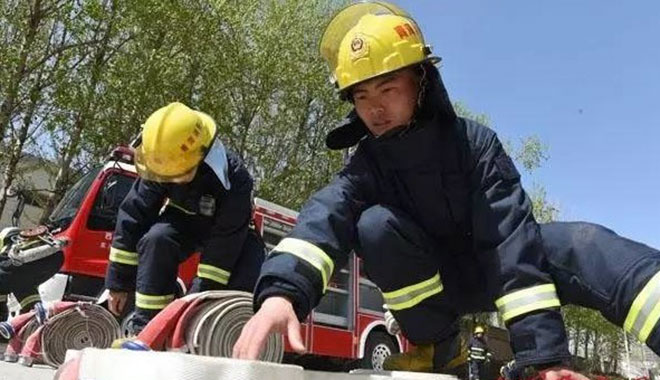
Guangdong entered the local epidemic season of dengue fever, and experts warned against dengue fever when traveling abroad.

Xinhua News Agency, Guangzhou, August 11th (Reporter Xiao Sisi) The Guangdong Provincial Health and Wellness Commission issued a health reminder on the prevention and control of dengue fever. At present, Guangdong has entered the local epidemic season of dengue fever, and the imported cases of overseas infection and local cases are gradually increasing. The Guangdong Provincial Health and Wellness Commission reminded that dengue fever spreads rapidly, and there is no specific treatment drug. Severe cases can cause severe bleeding, shock and even death. Dengue fever can be prevented and controlled, and the key lies in prevention.

According to the relevant person in charge of the Guangdong Provincial Health and Wellness Committee, dengue fever in Guangdong Province is mainly transmitted through the bite of Aedes albopictus (Aedes albopictus), eliminating mosquito breeding sites (indoor and external water accumulation in various homes and workplaces), killing adult mosquitoes and preventing mosquito bites by individuals are key measures for dengue prevention and control.

In addition, travel to prevent mosquitoes and keep up with the awareness of disease prevention. Travellers who are going to areas with dengue fever should take mosquito prevention measures, such as wearing light-colored long-sleeved underwear and using mosquito repellent containing deet. If you have fever, skin flushing, muscle and bone pain and other symptoms within 15 days after traveling in dengue endemic areas, you should seek medical treatment as soon as possible, and explain the travel history and health status of your colleagues to your doctor. Patients who have been diagnosed with dengue fever in medical institutions should actively cooperate with the hospital to do isolation treatment and actively prevent the occurrence of serious diseases.