Interview with Wang Mi, the producer of the Yangtze River Map: I am quite confident in bidding for the Olympic Games!
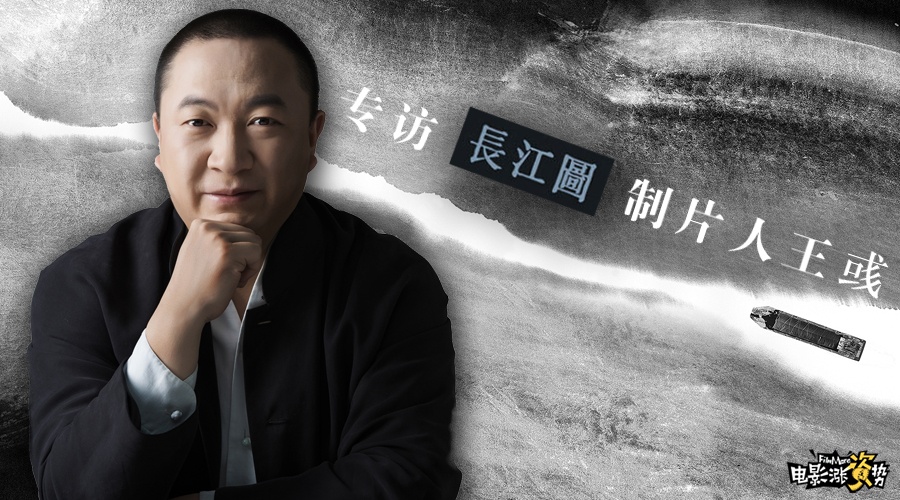
(This article was first published in "Movie Rising Potential", welcome WeChat to search filmmore for attention)
1905 movie network exclusive feature Just two months after the topic of the year attracted people’s attention to art films in the summer file, another art film bravely landed in early September in the crisp autumn.
The last film film, 4K restoration, tens of millions of investments, ten years of creative process, Berlin Silver Bear Award … … The blessings of various auras have made this work full of expectations before it was shown … … However, after the screening, many viewers said that "seeing a face of embarrassment" made this film full of topicality.
However, the film’s creative team was obviously full of confidence in the film. As soon as it was released, it was announced that the film would apply for the "Oscar for Best Foreign Language Film". In the case of the excellent overseas copyright situation of the film, the box office performance of 2.689 million in five days in the mainland does not seem to bring much pressure to the film … …
Although pretending to be a senior literary dog for many years, unfortunately, after attending the screening of the film on September 7, Zi Shijun also became a member of the "force army". In order to solve all kinds of doubts about this film, Zishijun specially found Wang Mi, the producer of the Yangtze River Map, and listened to how he interpreted this annual masterpiece:
Don’t do commercial films because there is too much garbage, and it is not difficult for director Yang Chao to communicate.
Zi Shijun:You once said that the most profitable thing in China is literary films. As a producer, how do you choose between business and art?
Wang Wei:My concept of "making money" here is not to say how much money can be earned like a big commercial film, because the most important thing for art films is to recycle.
Art films have a longer vitality, so it has more possibilities of overseas distribution, and it can actually be profitable through various distribution on the Internet and media distribution. In fact, you can calculate the account of the roadside picnic. Although it didn’t earn much money, it was profitable. These premises are necessary, and it is not just that sentence that can judge this matter.
There is no special difference between commercial films and literary films. The reason why I don’t want to do mainland commercial films in recent years is because there is too much rubbish in the market, all of which are fake commercial films. I will watch many domestic films, and I will be disappointed after watching them. The quality of production is relatively rough, and most of the themes and types are too simple. After you watch it, you will mix several films together.
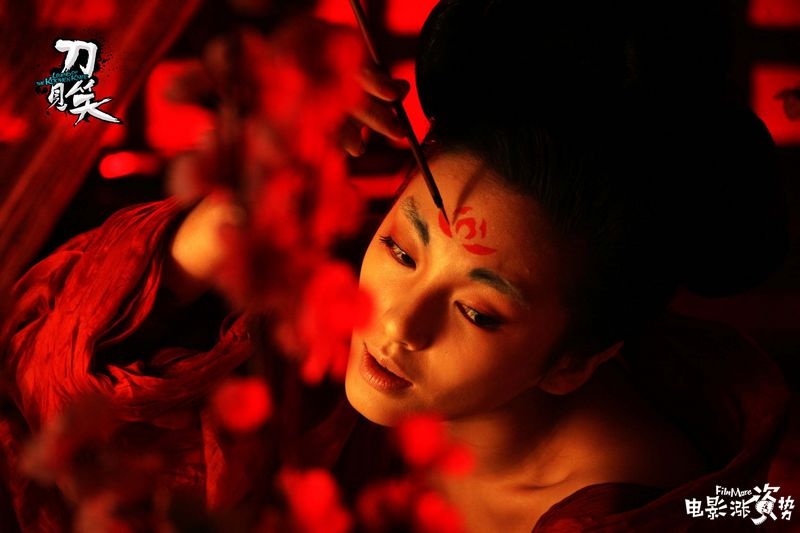
stage photo
What I prefer to do is actually genre movies, movies with certain characteristics, including the Yangtze River Map, which has distinctive characteristics, including Wu Ershan’s Knife Seeing Smile, which I did before. In fact, it is also a work with distinctive themes and personalities. I think what China’s films lack are different types, and a variety of markets are benign.
Zi Shijun:As a producer, both your two works and The Map of the Yangtze River are related to the Yangtze River and the Three Gorges. Is there some kind of complex in them?
Wang Wei:In part, I did shoot a lot of movies around the Yangtze River.
I’m a Mongolian, but I don’t really remember much about the Yangtze River. But when you are filming for a long time, you will feel that the great river in China has a deep cultural background, because the history of the Yangtze River is far longer than that of China. If you are on the river, you will be moved by many things inexplicably.
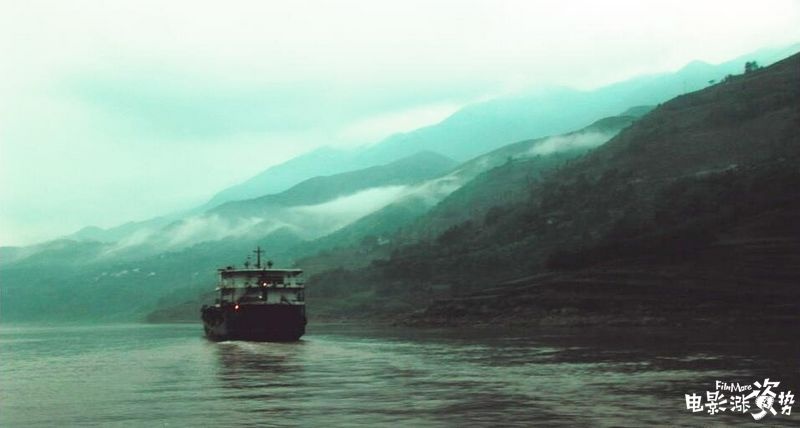
The Yangtze River in The Three Gorges Good Man is another flavor.
The Yangtze River in The Three Gorges Good Man is completely different from that in The Yangtze River Map. The Yangtze River in the Yangtze River Map has many magical things. Sometimes you think it is not real, and even think it is a made scene. In fact, when you look at her with different eyes, there will be different degrees of relevance, and it is possible to make a science fiction film in the future.
I witnessed the rising water level of the Yangtze River, which flooded the historic sites such as Fengjie Old Town. This means that there are still cities lying at the bottom of the Yangtze River. If you think about it, there will be a lot of mystery and science fiction in it. It can be made into that kind of movie.
Zi Shijun:Yang Chao is an academic director who is more "axis" and "artist". As a producer, how can you communicate and coordinate with him?
Wang Wei:In fact, Yang Chao is a particularly easy person to communicate with. If everyone agrees on some artistic views, creative direction, or likes and dislikes, it is actually very easy to communicate. Some producers will say that there are obstacles in communicating with the director. I think the obstacle is that everyone has not found the same context in communication, so they need to put themselves in other’s shoes and think about what he is thinking.
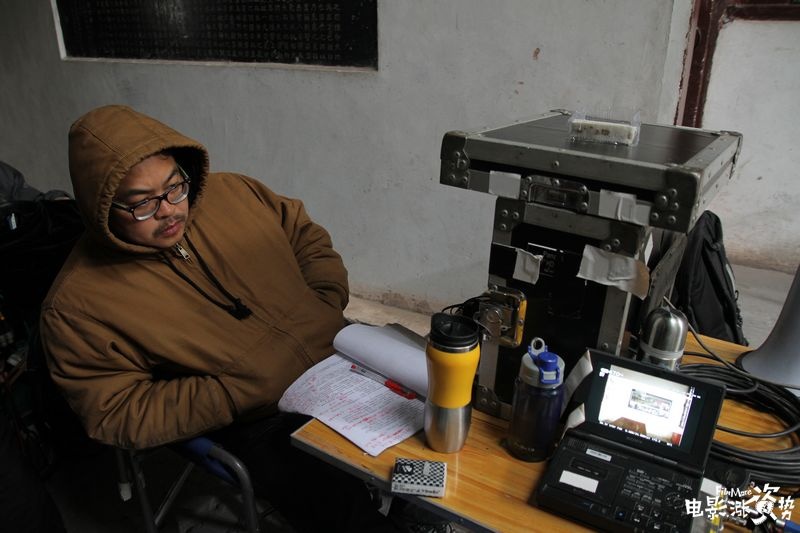
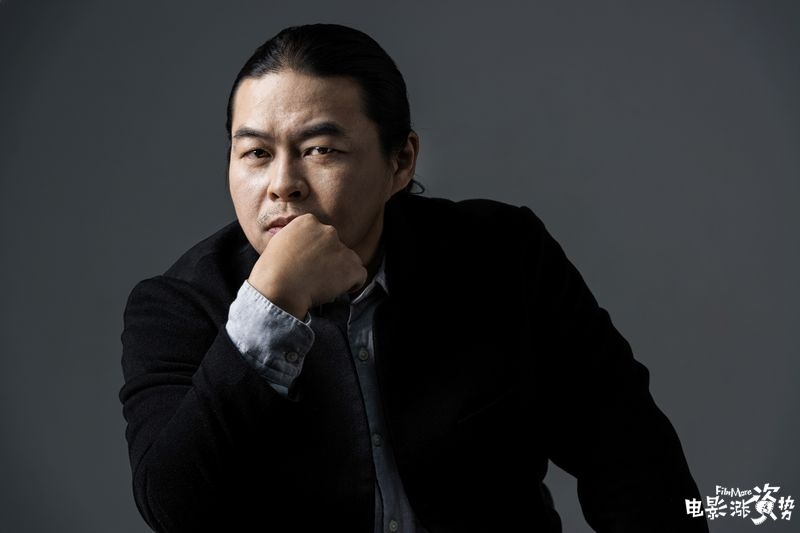
Yang Chao, a director with long hair and resembling a "metal warrior", is actually not difficult to communicate with.
Yang Chao likes heavy metal and Goth, so do I. I graduated from the Recording Department of the Film Academy. In the creation of many sounds and spaces, I may sometimes have more understanding of sounds than the director. We may communicate more professionally, rather than saying what I want you to do.
I’m the best recording producer. I graduated from the recording department, and I have 8 years of music professional background (Zishijun: This is quite unexpected, we rarely hear that producers graduated from the recording department). I learned recording technology so badly (laughs) that I became a producer.
Next page: Qin Hao always plays literary films because the market for literary films is too small and there are too few character actors, which is particularly terrible.